Documentary on the March: The Turbulent 30s in New Deal America

In the 1930s ‘documentary’ first gained wide use to describe a new development in the history of the medium of cinema. Looking back to films from this time of invention helps us question what documentary is, and what it is for. A discussion of the context, issues and legacy of America’s radical 1930s social documentary experiment, assessing the nascence of non-fiction alongside President Roosevelt’s commitment to speak “the whole truth, frankly and boldly”.

The session will be held in English, with no translation.
Free admission.

23 Oct • 18:30 / 90’
Cinemateca Portuguesa - Sala M. Félix Ribeiro

Nebulae

Speakers

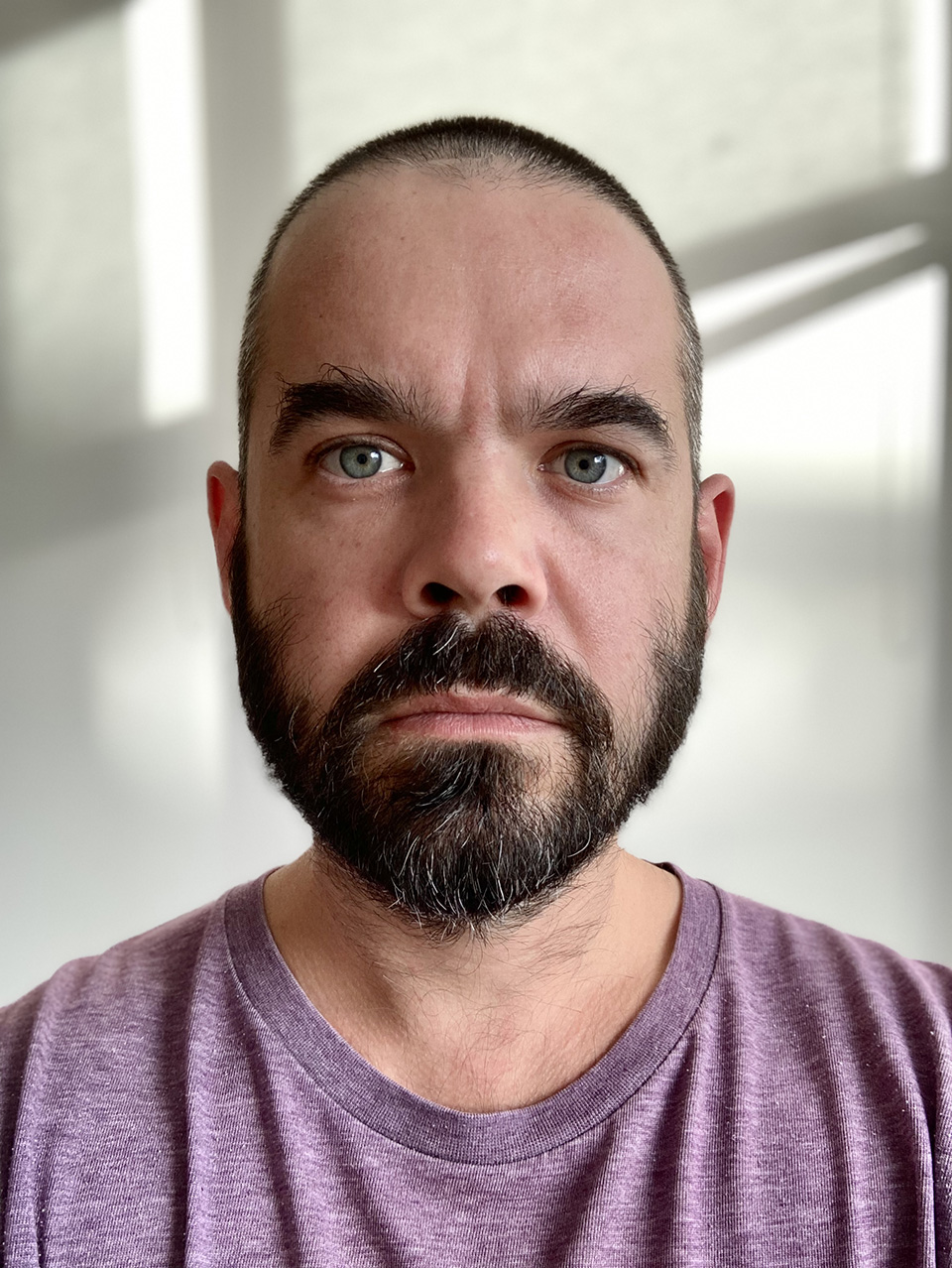
José Manuel Costa

Director of Cinemateca Portuguesa since 2014, having worked there since 1975. Was a member of the executive committee of the International Federation of Film Archives (1993-95), president of the Association of European Cinematheques (1991-98) and teacher at the Nova University of Lisbon (1989-2019). Founded and headed Doc’s Kingdom-International Film Seminar (2000-2010). Published books on Griffith, Flaherty, Ivens, Wiseman and Indian and Chinese cinemas.

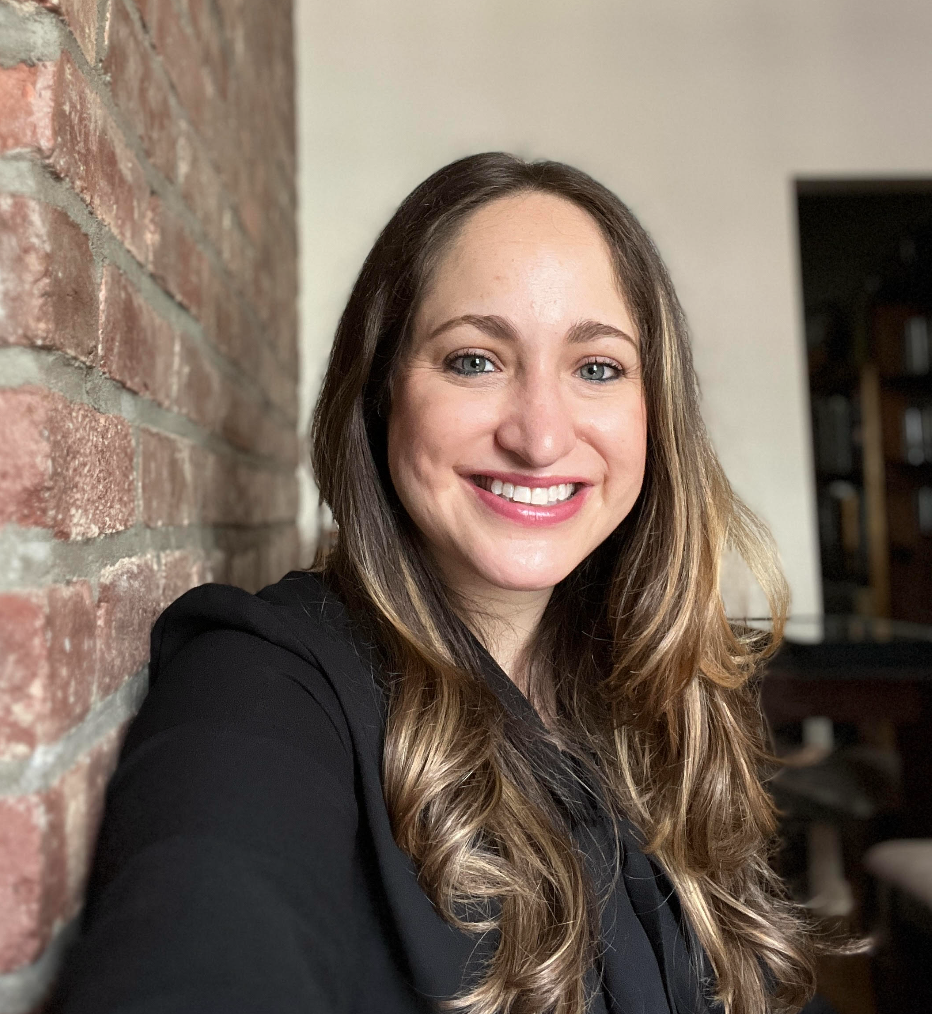
Tanya Goldman

Media historian and film programmer based in Brooklyn, New York. Her scholarship on 1930s and 1940s radical documentary has been published in Cineaste, the Historical Journal of Film, Radio and Television, and in the volume insUrgent Media from the Front: A Media Activism Reader, among others.

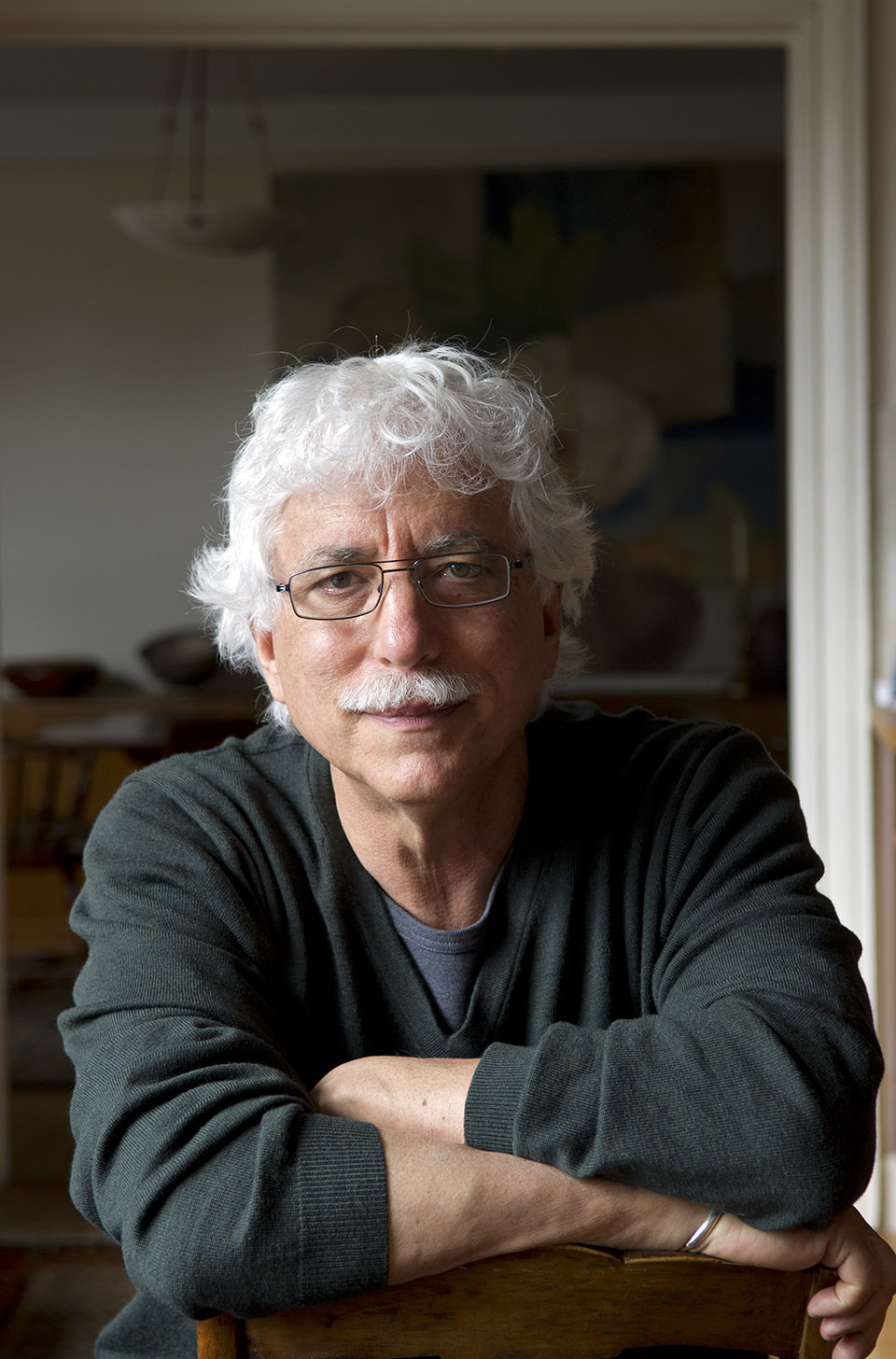
Tom Hurwitz

Tom Hurwitz is one of USA’s most honoured documentary cinematographers. Son of documentary pioneer Leo Hurwitz, he is also a founding faculty member of the MFA programme in social documentary at New York’s School of Visual Arts. Hurwitz’s films have won dozens of awards, including two Emmys, and he has photographed films that have won four Oscars and several nominations. Tom’s most recently directed film, Can You Bring It, was released in July 2021.

Moderator

Justin Jaeckle

(retrospective curator)