Sponsored by the European Agency for Safety and Health at Work (EU-OSHA), the Healthy Workplaces Film Award has been part of Doclisboa since 2021. The award celebrates documentary films that explore human dignity in today’s changing working environments, touching on topics such as mental and physical health, safety, and new workplace challenges.
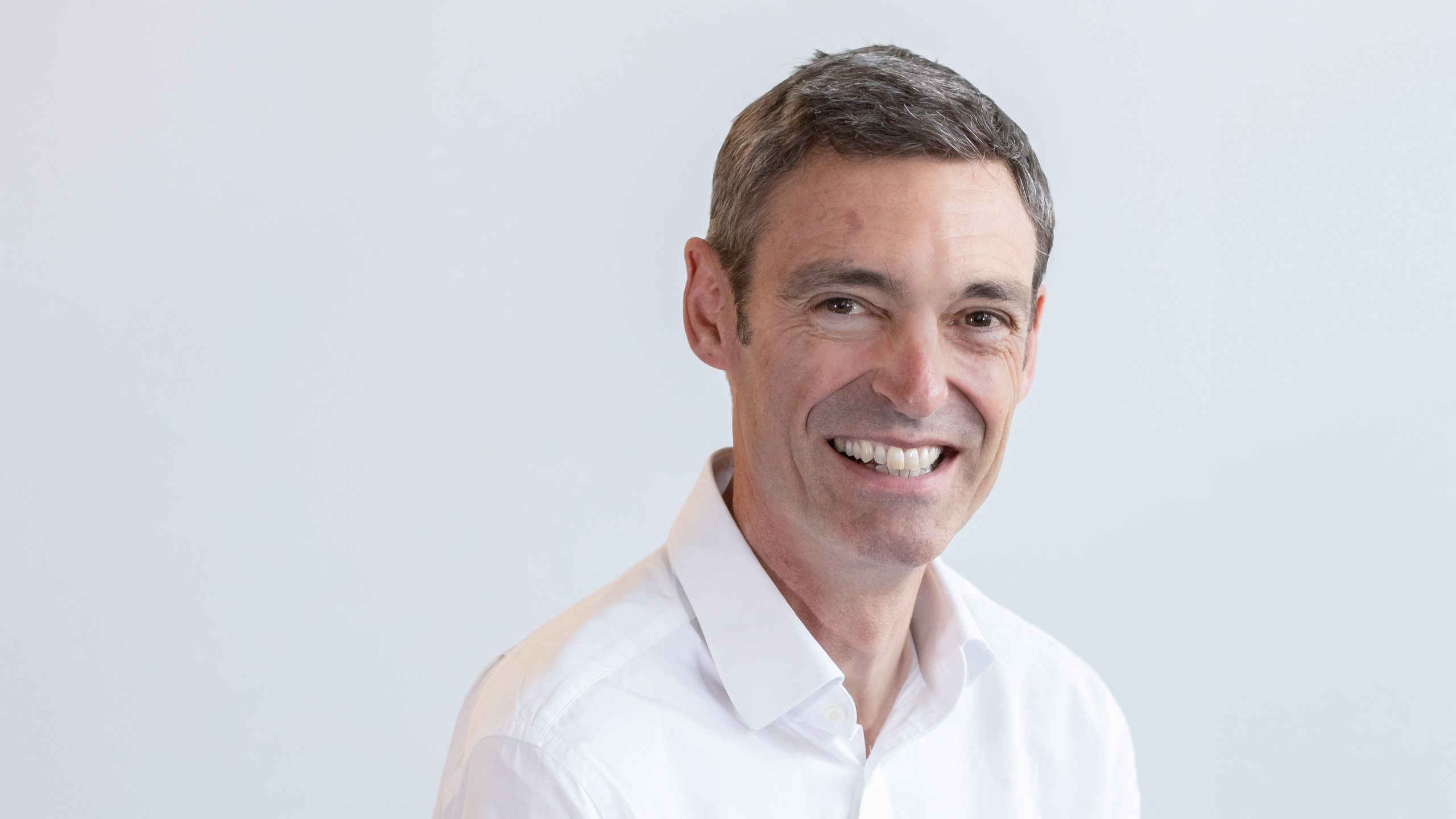
Last year, we interviewed William Cockburn, the Executive Director of EU-OSHA, to learn more about how can documentary film promote occupational safety and health (OSH), and the importance of this award in raising awareness about risks in the world of work.
This year, we talked once more with Cockburn, to understand the impact of documentary film, and this partnership, on the humanization, visibility, and evolution of debates on occupational safety and health.
1. The way we work has changed radically in recent years, bringing new challenges to our physical and mental health. How can documentary film or this award help shed light on invisible or emerging workplace realities that statistics cannot capture?
Statistics are essential for identifying trends in occupational safety and health (OSH), but do not tell the real stories behind the numbers. Documentary film brings those realities to life by showing the human stories behind the data: the stress of job insecurity, the impact of mental health challenges, the pressures of digitalisation, or the experiences of workers adapting to climate-related changes. The Healthy Workplaces Film Award recognises work-related documentaries that focus on people in a changing world of work and uses cinema as a tool to raise awareness and stimulate debate on OSH.
2. The Healthy Workplaces Award seeks to promote safer and more humane workplaces. From EU-OSHA’s perspective, what has been the real impact of cinematic language on raising awareness among policymakers and society at large?
Cinema has a unique capacity to connect with audiences emotionally as well as intellectually. A compelling documentary can transform what might appear to be a technical or policy issue into a deeply personal story that people remember and discuss.
Over the years, we have seen how films supported through the Healthy Workplaces Film Award have sparked conversations among workers, employers, policymakers and the general public. They create a common ground for discussing complex issues such as precarious work, migration, mental health or technological change. By giving a human face to the issue, documentary film helps ensure that OSH remains part of broader social and political discussions. Since 2009, the award has helped EU-OSHA reach wider audiences and support awareness-raising activities across Europe through screenings and debates organised by its network of national Focal Points.
3. Occupational safety and health are fundamental human rights, yet they are often neglected. How does the ongoing partnership with Doclisboa strengthen EU-OSHA’s mission to place people at the center of the debate on the future of work?
Our partnership with Doclisboa is valuable because it brings together two fields that do not always meet: OSH and culture. The future of work is often discussed in terms of technology, productivity or economic change. While these issues matter, it is equally important to ask how work affects people’s health, wellbeing and quality of life. Through this partnership, we can reach audiences beyond the traditional OSH community and encourage broader reflection on what decent, safe and healthy work should look like in the years ahead. Documentary film gives visibility to voices that are not always heard and helps put human dignity at the heart of the conversation. The award specifically seeks films that explore workers’ rights, workplace risks and the human consequences of social, economic and political change.
4. Over the course of the award’s various editions at the festival, what changes have you noticed in the way filmmakers address labor issues?
One of the most striking developments has been the growing diversity of perspectives and themes. Earlier films often focused on traditional workplace risks or industrial settings. While those topics remain important, today’s filmmakers are increasingly exploring more complex and interconnected realities.
We see films dealing with mental health, migration, inequality, climate change, digitalisation, platform work and changing forms of employment. There is also a greater emphasis on personal narratives and the experiences of groups that are often underrepresented, including migrant workers, women, young workers and ageing workers. This reflects the way work itself is evolving. As occupational risks change, filmmakers are helping us understand not only where people work, but how work shapes identities, communities and everyday life. These themes align closely with the issues that the Healthy Workplaces Film Award has increasingly encouraged to address, including psychosocial risks, climate change, digitalisation and precarious work.
5. Among this year’s nominated films, is there any particular work or geographic/social perspective that you consider especially urgent for the audience and for the professionals attending the festival?
What is particularly encouraging about this year’s selection is its diversity. The nominated films approach work from different cultural, social and geographic perspectives, from Europe, the Middle East, Asia and Latin America, and address themes such as mental wellbeing, precariousness, migration and women’s rights, all relevant across Europe and beyond.
Rather than highlighting a single title, I would point to the strong presence of themes related to mental health, social inclusion and the changing nature of work in contemporary societies. These issues cut across borders and sectors. Films that explore fatigue, uncertainty, migration, care responsibilities or the search for meaning in work resonate because they reflect experiences shared by many workers today. For professionals attending the festival, this offers an opportunity to view OSH through a broader social lens and to engage with questions that will shape the future of work for years to come.
The Healthy Workplaces Film Award
The full list of nominees for the Healthy Workplaces Film Award can be found here or using the filters available at our film directory.
Previous winners of the Healthy Workplaces Film Award:
• 2025: Wishful Filming, by Sarah Vanagt;
• 2024: Favoriten, by Ruth Beckermann;
• 2023: Hormigas Perplejas, by Mercedes Moncada Rodríguez;
• 2022: The Beach of Enchaquirados, by Iván Mora Manzano;
• 2021: Yoon, by Pedro Figueiredo Neto and Ricardo Falcão.