


Juliette Binoche’s Directorial Debut and Films Featuring Kate Bush, Elza Soares, Salman Rushdie and Slavoj Žižek Among as the First Highlights of Doclisboa 2026
With the 24th edition of Doclisboa fast approaching, we unveil some of the first highlights from Heart Beat and New Visions, bringing together films that reflect the intriguing dialogue between cinema and the other art forms that inspire it.
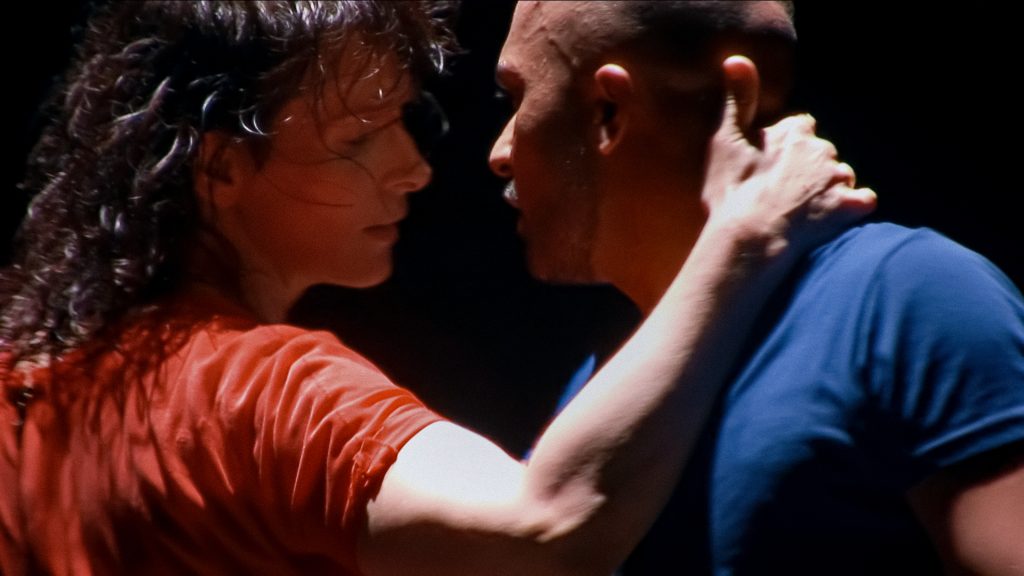
Doclisboa returns from 15 to 25 October, and among the first highlights of this year’s programme are several notable names. The Heart Beat section, dedicated to the different expressions of art, presents Juliette Binoche‘s directorial debut with In-I In Motion, a film in which she revisits her intense collaboration with dancer and choreographer Akram Khan, reflecting on artistic creation, risk and personal transformation.
As has been customary, film history has a strong presence at the festival with Vittorio De Sica – Staging Life, by Francesco Zippel, an intimate portrait of the legendary Italian director and actor whose work transformed the way we look at reality, combining a critical, political and deeply passionate perspective. Another great filmmaker is revisited in Orson Welles: The One-Man Band, by Oja Kodar and Vassili Silovic. The film brings together rare footage from Welles’ unfinished projects, revealing fragments and dreams from the work of one of the great revolutionaries in the history of cinema.
A revolutionary artist in his own right, Scottish artist and Turner Prize winner Douglas Gordon is the subject of Douglas Gordon by Douglas Gordon, by Finlay Pretsell. The film offers an intimate portrait of an artist whose turbulent relationship with the world and with the creative process has shaped his work, and who has played a transformative role in the history of visual art in the final decades of the 20th century.
From the world of music, Heart Beat presents Nino – A Film About Nino Rota, de Walter Fasano. Best known for his work as an editor on films such as Call Me by Your Name (2017), Fasano also reveals himself here as a filmmaker. The film revisits the life and work of Nino Rota, the Italian composer who further elevated the cinematic worlds of directors such as Fellini and Coppola. Narrated by British musician Sting, Nino explores the personal, artistic and spiritual connections of a career devoted entirely to music.
Two more films bring us two great voices, two remarkable women from different times, places and styles: Elza, by Eryk Rocha, and Kate Bush – The Timeless Genius, by Sonia Gonzalez. In Elza, Rocha portrays Elza Soares, an artist whose voice and relentless capacity for reinvention spanned generations, carrying with it a vital force that refused to be defeated by a profoundly unequal country. Meanwhile, Kate Bush – The Timeless Genius revisits the early years and career of the pioneering artist, exploring the influence her music and independent spirit have had — and continue to have — on pop culture, all the way to her encounter with a younger generation through Stranger Things.
From music to sport, two more unmissable titles in this year’s edition: the personality and journey of a footballer with a singular outlook on life are at the heart of Cantona, by David Tryhorn and Ben Nicholas, which explores the transformation of a player considered untameable into a Manchester United icon. Following last year’s retrospective of William Greaves, presented by Doclisboa and Cinemateca Portuguesa, we bring two essential works by the filmmaker that have only now become available. The Fight [The William Greaves Directors Cut], revisits the historic 1971 bout between Muhammad Ali and Joe Frazier, capturing a confrontation that exposed the deep political and racial divisions within the United States. Completed posthumously in 2026 by David Greaves, the filmmaker’s son, Once Upon a Time in Harlem is a fascinating time capsule that takes us to a soirée at Duke Ellington’s home in 1972, bringing together some of the major figures in the art and culture that shaped what became known as the Harlem Renaissance.
Slavoj Žižek’s Pervert’s Guides return to Doclisboa with The Pervert’s Guide to Utopias, by Sophie Fiennes, bringing the filmmaker and philosopher together once again. This time, the pair turn their attention to the utopias that shape our ideas of society and the future. As Žižek himself says in the film: “Our duty is to see things as they are and, for that, we need cinema”.
Siri Hustvedt – Dance Around the Self, by Sabine Lidl, tells the writer’s life story, following her from her early years in New York and tracing her life and literary journey. Hustvedt, a major figure in contemporary thought, was the partner of another great literary figure, the late Paul Auster, who is also present in the film.
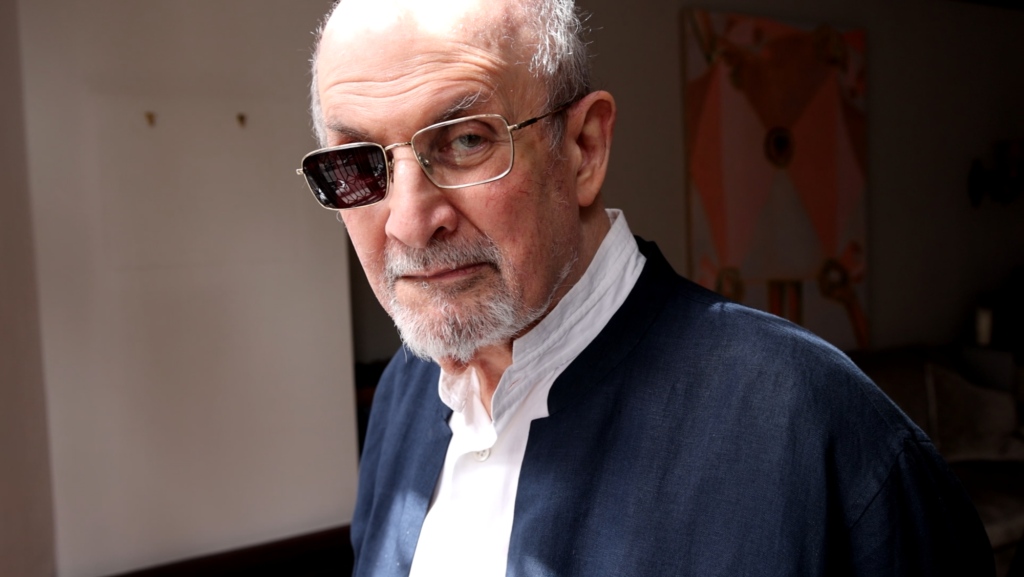
Still within the literary landscape, the New Visions section presents Knife: The Attempted Murder of Salman Rushdie, by Alex Gibney, about the knife attack suffered by the author of The Satanic Verses. The film draws on Rushdie’s autobiographical memoir and follows his recovery, focusing on the process of rebuilding his spirit and his hope for the future.
Ever devoted to stories from different places and times, the New Visions programme also presents Thanks for Coming, by Alain Cavalier, a farewell from the great filmmaker who, at 94, remains one of the major figures of French cinema. This diary-film follows Cavalier’s everyday life, gestures and reflections in a final foray into cinema as a space of intimacy, memory and sharing.
More programme highlights will be announced in the coming days.


