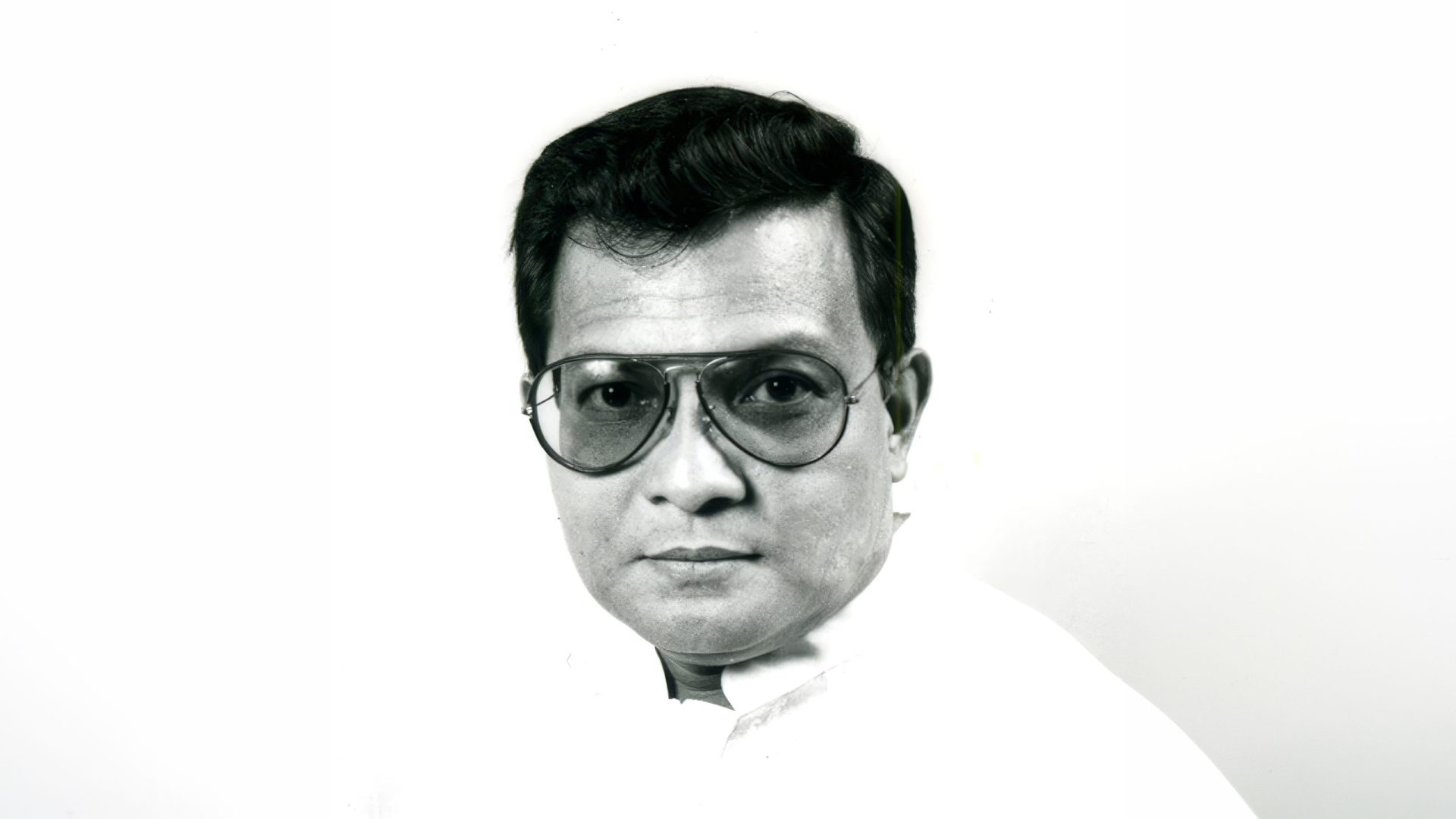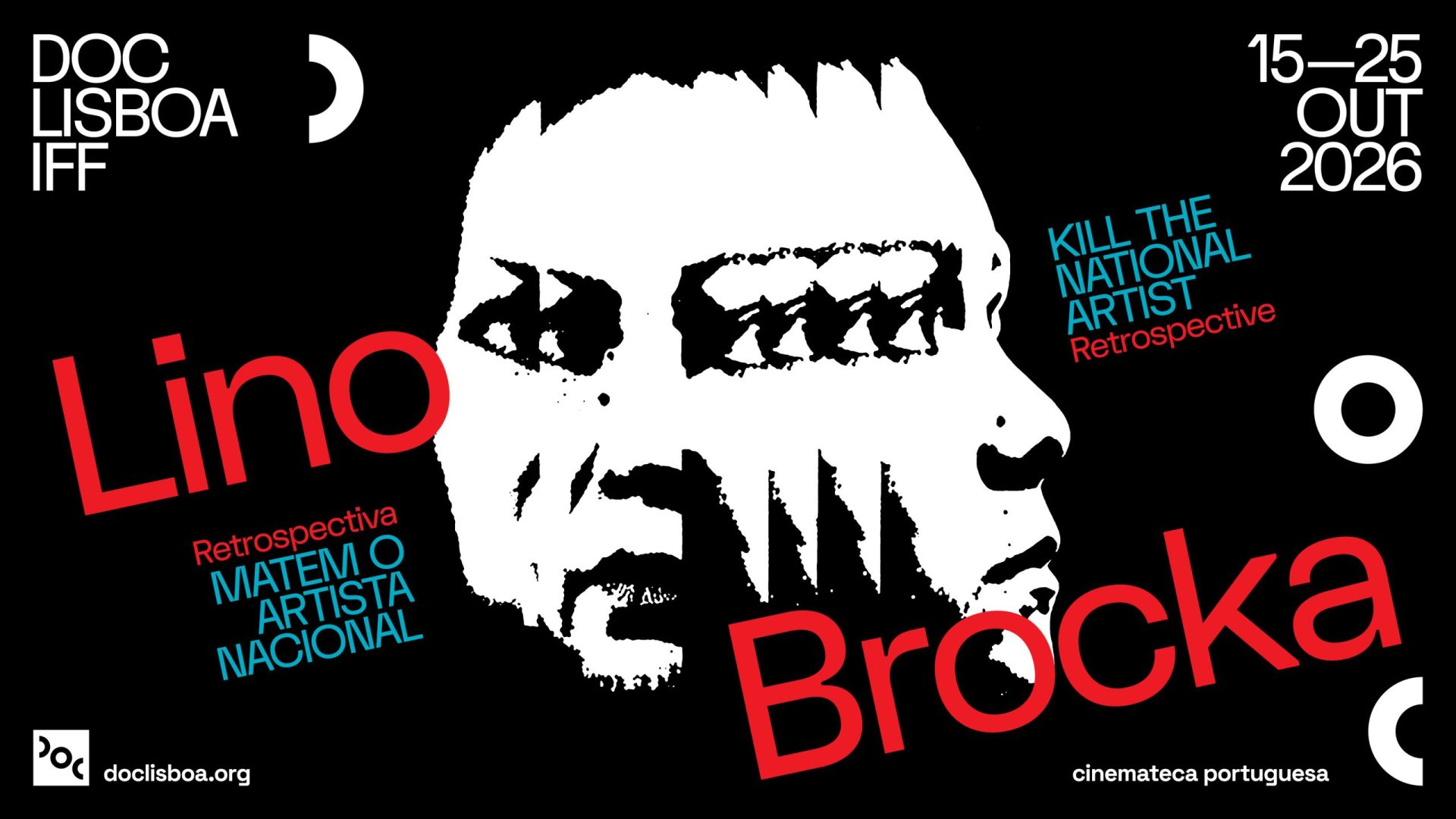
Doclisboa, in partnership with the Cinemateca Portuguesa, will present a retrospective from October 15 to 25 dedicated to Lino Brocka (1939—1991) – a leading figure in Filipino cinema and one of the most influential directors in the history of Asian cinema. Curated by fellow Filipino artist and filmmaker Khavn de la Cruz, in collaboration with the programming teams of the festival and the Cinemateca, Lino Brocka – Kill the National Artist will be one of the most important retrospectives ever dedicated to this significant filmmaker.
Having directed more than 60 films over the course of just over two decades, Brocka built a body of work marked by extraordinary formal intensity and a deep commitment to the social and political reality of the Philippines. Working at the intersection of popular cinema and auteur cinema, between melodrama and the rawer depictions of his country, and between sensuality and violence, Brocka developed a incisive portrait of the inequalities, urban poverty, political repression, and tensions – but also the aspirations – of a rapidly changing society. Films such as Manila in the Claws of Light (1975), Insiang (1976), Jaguar (1979), Bona (1980), This Is My Country (1984) and Macho Dancer (1988) established him as one of the most powerful voices in world cinema of his time, earning him international recognition and a regular presence at major film festivals.
It is precisely one of these films, Bona, that will be screened at the Anticipation Session of the retrospective, on the terrace of Cinemateca, scheduled this year for the evening of July 17. Bona is one of Lino Brocka’s most acclaimed films, starring Nora Aunor in one of the most memorable performances in the history of Philippine cinema. Through a young woman’s obsession with a mediocre and abusive actor, the film paints a devastating portrait of exploitation, illusion, and social inequalities. Rediscovered internationally in recent decades, it is now considered one of Brocka’s masterpieces.
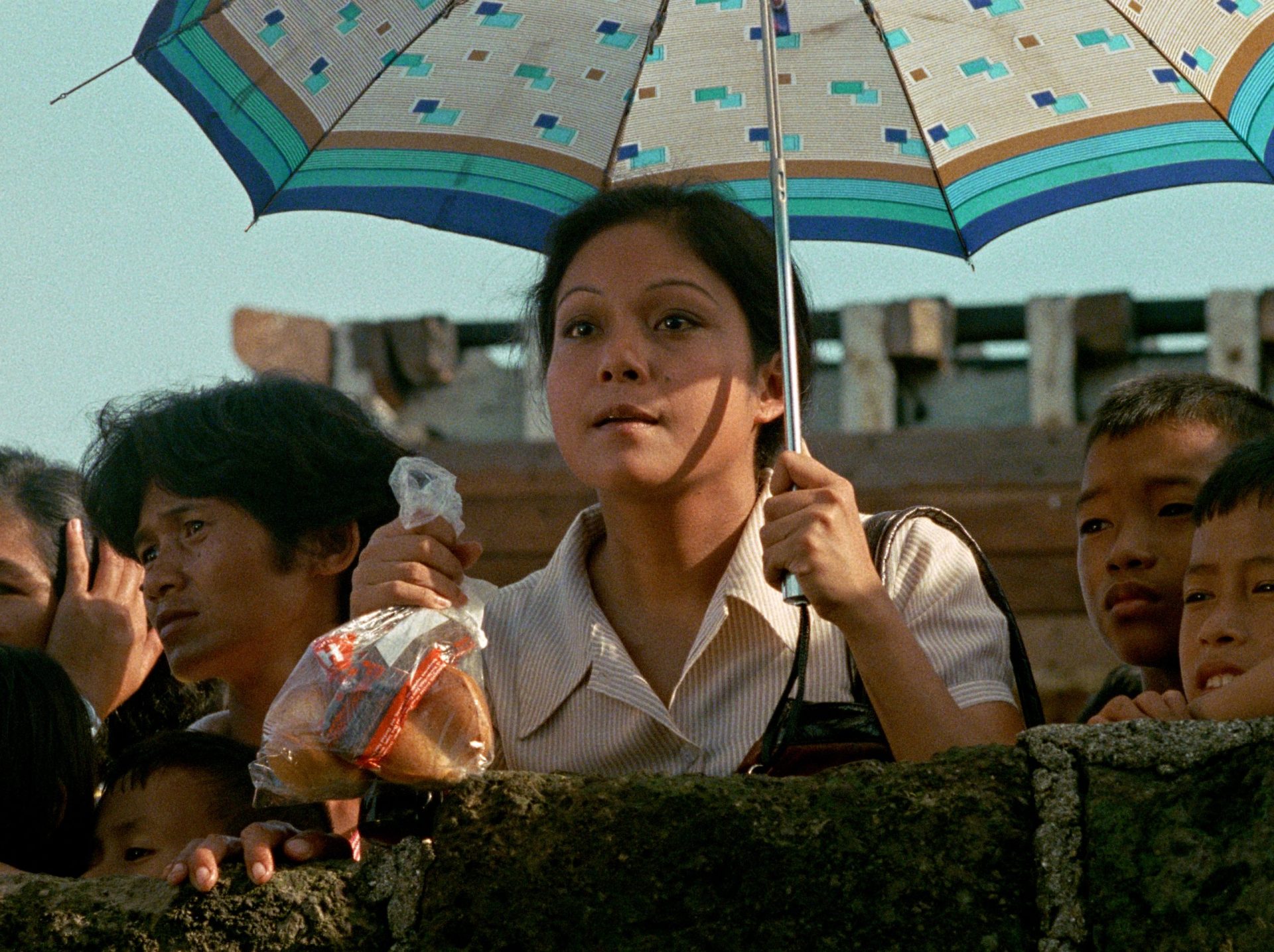
Brocka’s significance extends far beyond the boundaries of Philippine cinema. During the years of Ferdinand Marcos’s dictatorship, he was a central figure in the cultural resistance and an active advocate for freedom of expression, using cinema as a tool for social critique and civic engagement, without ever compromising his creativity or his strong authorial voice. The energy of his films, his focus on the lives of the marginalized, and his ability to combine political urgency with great dramatic power continue to influence generations of filmmakers around the world.
The retrospective Lino Brocka – Kill the National Artist is supported by the Philippine Embassy in Portugal and will be a central part of the Doclisboa 2026 program, offering a rare opportunity to discover, in its entirety, a filmography that is essential for understanding not only the history of Asian cinema but also the role of cinema as a form of engagement with reality.
In October, the whole world comes to Lisbon.