


Recovering Images of Palestine: A Focus on the Preservation of Palestinian Film Archives and Cinematic Memory
In its 24th edition, Doclisboa dedicates a focus to the preservation of and access to Palestinian film archives, bringing together a selection of films that recover images, stories and testimonies essential to understanding the importance of cinema and its archives as witnesses to the history and struggle of the Palestinian people.
Part of the Da Terra à Lua section, the programme “Recovering Images of Palestine” brings together five films by Aude Fourel and Monica Maurer, alongside a restored print of Tall el Zaatar (1977), by Mustafa Abu Ali, Pino Adriano and Jean Chamoun. The films will be presented across three screenings over two days (21 and 22 October) at Cinema São Jorge. On 21 October, Cinema São Jorge will also host a round table entitled Tracing Palestinian Film Archives: Access and Archival Justice. The discussion will be held in English, without translation, and admission is free.
The Da Terra à Lua section turns its attention to the importance of cinema as a body of collective memory, carrying stories and lives within it and bearing witness to them even when historical narratives consign them to oblivion. Through works made between the late 1970s and the present day, this programme offers an opportunity to revisit images documenting the Palestinian struggle, the consequences of war and occupation, and the efforts of a people to preserve their identity and sovereignty.
The screenings will be attended by filmmakers Monica Maurer and Aude Fourel, who generously join Doclisboa to share these images of Palestine.
Monica Maurer has devoted much of her life to documenting the Palestinian struggle, working alongside local filmmakers such as Samir Nimer and contributing to the recovery and restoration of films by other directors. Her path intersects with that of Aude Fourel, who follows Maurer’s work with her archives, reflecting on the importance of preserving these images.
This programme was put together with the help of filmmaker and producer Narimane Mari.
The six films are presented across three screenings — “Recovering Images of Palestine 1”, “Recovering Images of Palestine 2” and “Recovering Images of Palestine 3” — each requiring a separate ticket.
Screening: Recovering Images of Palestine 1
21 Oct | 16:30 | Cinema São Jorge – Screen 3
22 Oct | 21:45 | Cinema São Jorge – Screen 3
Land Day (1981–2019)
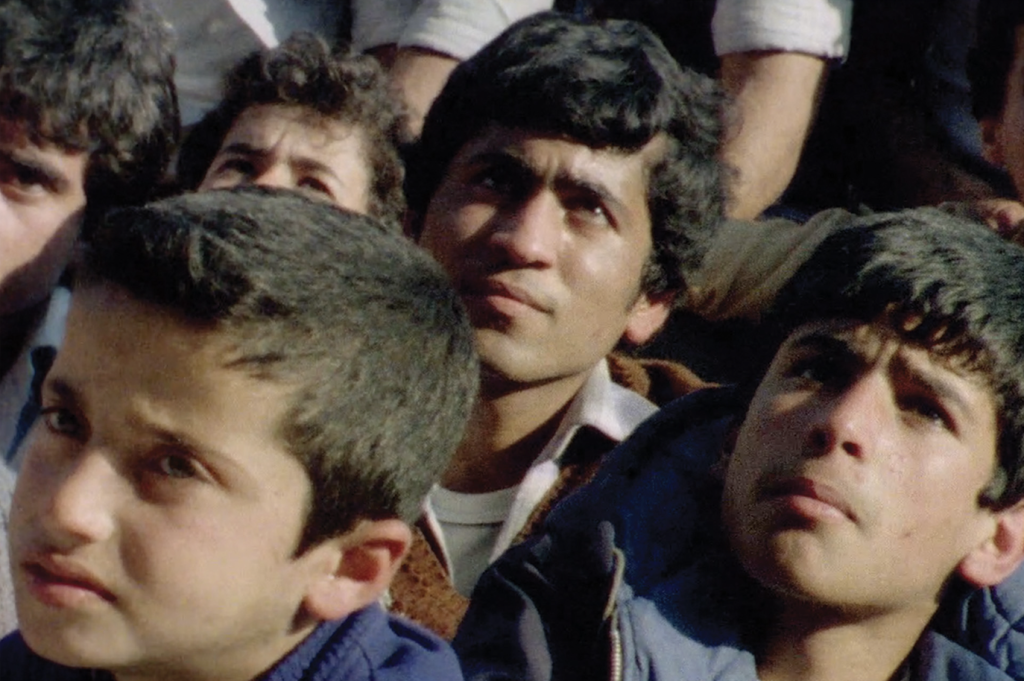
The first screening brings together Land Day (1981–2019), by Monica Maurer, and Where Life Holds (2026), by Aude Fourel, two works in which the construction of Palestinian memory emerges not only as a cinematic gesture but also as a painstaking process of cataloguing and preservation against its destruction as a form of cultural erasure.
In Land Day, Maurer addresses the systematic efforts to disperse and destroy Palestinian audiovisual memory and collective identity. The film precedes Where Life Holds, in which Aude Fourel follows the filmmaker as she works to recover images and documentaries made between 1977 and 1982.
Fourel’s film also explores the relationship between Maurer and her friend Cahide Ozel, a Kurdish exile. United by images and by the strength they draw from the struggle for the right to self-determination and the preservation of Palestinian and Kurdish memory, the two women find the resolve, day after day, to continue their work of safeguarding and transmitting history. Between the images Cahide longs for and those Monica patiently restores, the film offers a reflection on the fragility of memory and the need to find a safe place in which to preserve it.
Screening: Recovering Images of Palestine 2
22 Oct | 14:00 | Cinema São Jorge – Screen 3
Tall el Zaatar (1977)
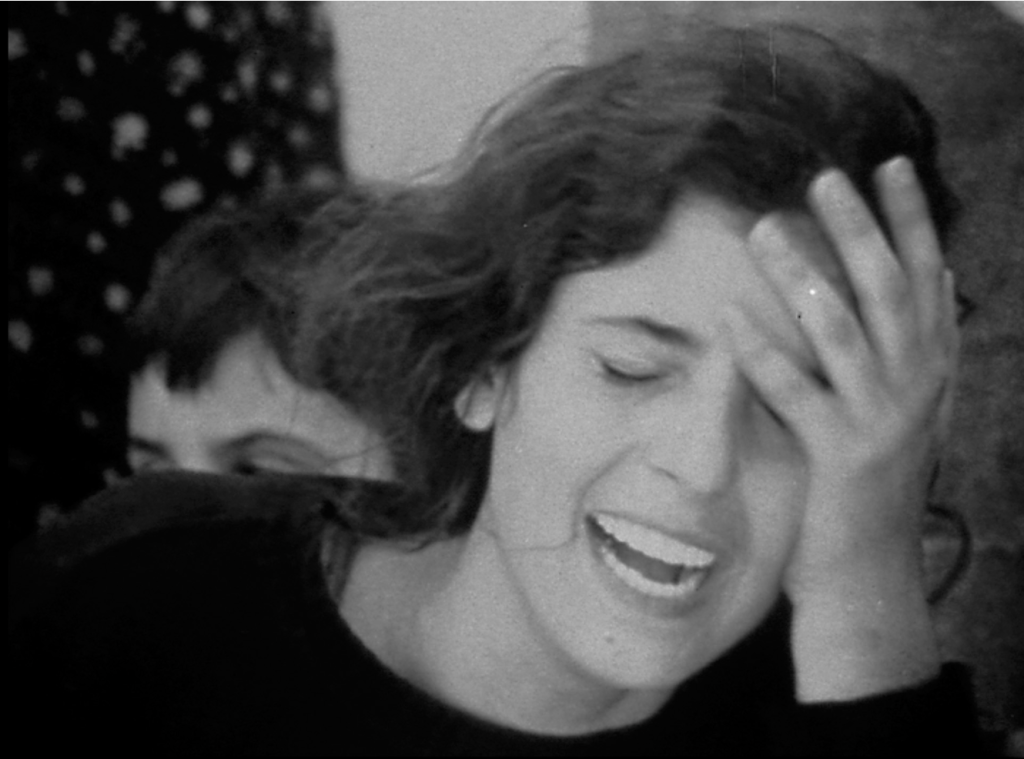
The second screening presents Tall el Zaatar (1977), by Mustafa Abu Ali, Pino Adriano and Jean Chamoun, a cinematic document of the massacre of Palestinian and Lebanese refugees that took place on 12 August 1976 at the Tall el Zaatar refugee camp in north-eastern Beirut.
Produced in the aftermath of the massacre, the film incorporates footage shot before and during the siege of the camp, reconstructing its history through survivors’ testimonies. Their voices recount the long months of assault and resistance, preserving the memory of a community and the events that led to its destruction.
Considered the only film made about this tragedy, Tall el Zaatar was rediscovered and restored by Monica Maurer and filmmaker Emily Jacir.
Its presentation at Doclisboa offers an opportunity to encounter images that remained inaccessible for many years.
Screening: Recovering Images of Palestine 3
22 Oct | 16:30 | Cinema São Jorge – Screen 3
Born Out of Death (1981)
The third and final screening brings together three films by Monica Maurer, two of them made in collaboration with Samir Nimer, exploring different dimensions of the Palestinian experience, from the violence of war to collective efforts towards social organisation and the realities faced by children.
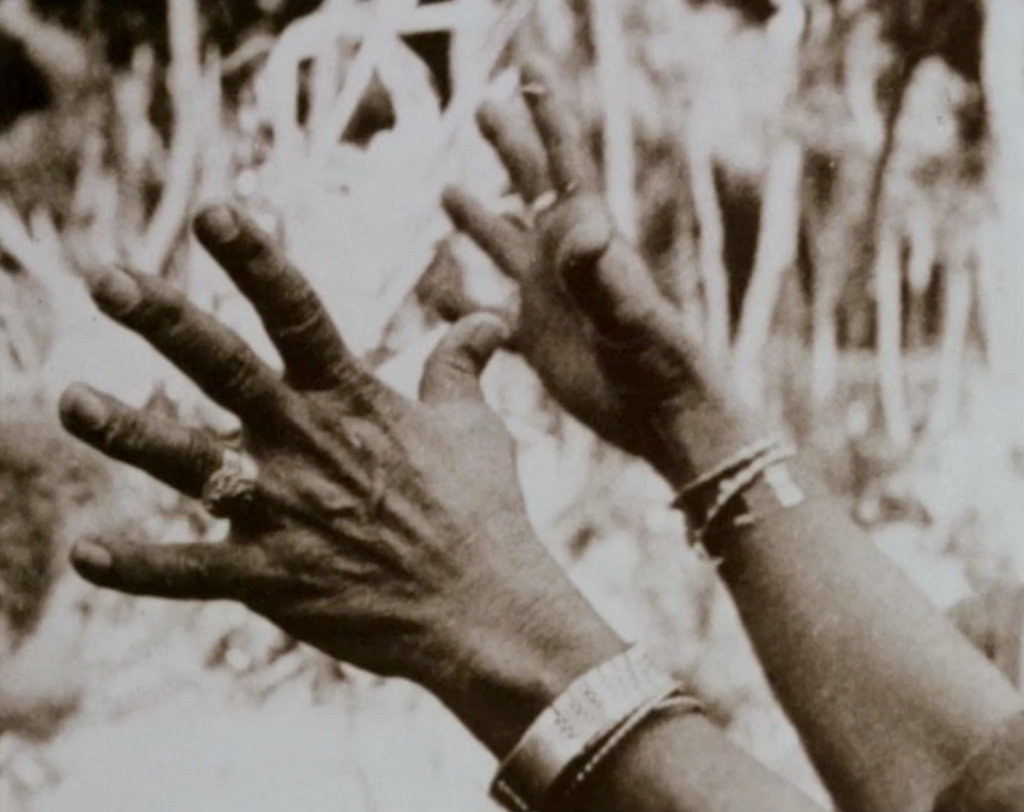
Born Out of Death (1981) is a political poem dedicated to the Palestinians and Lebanese wounded during an Israeli air strike on a densely populated neighbourhood of Beirut on 17 July 1981. Through its cinematic language, the film transforms images of violence into a testimony of solidarity and resistance.
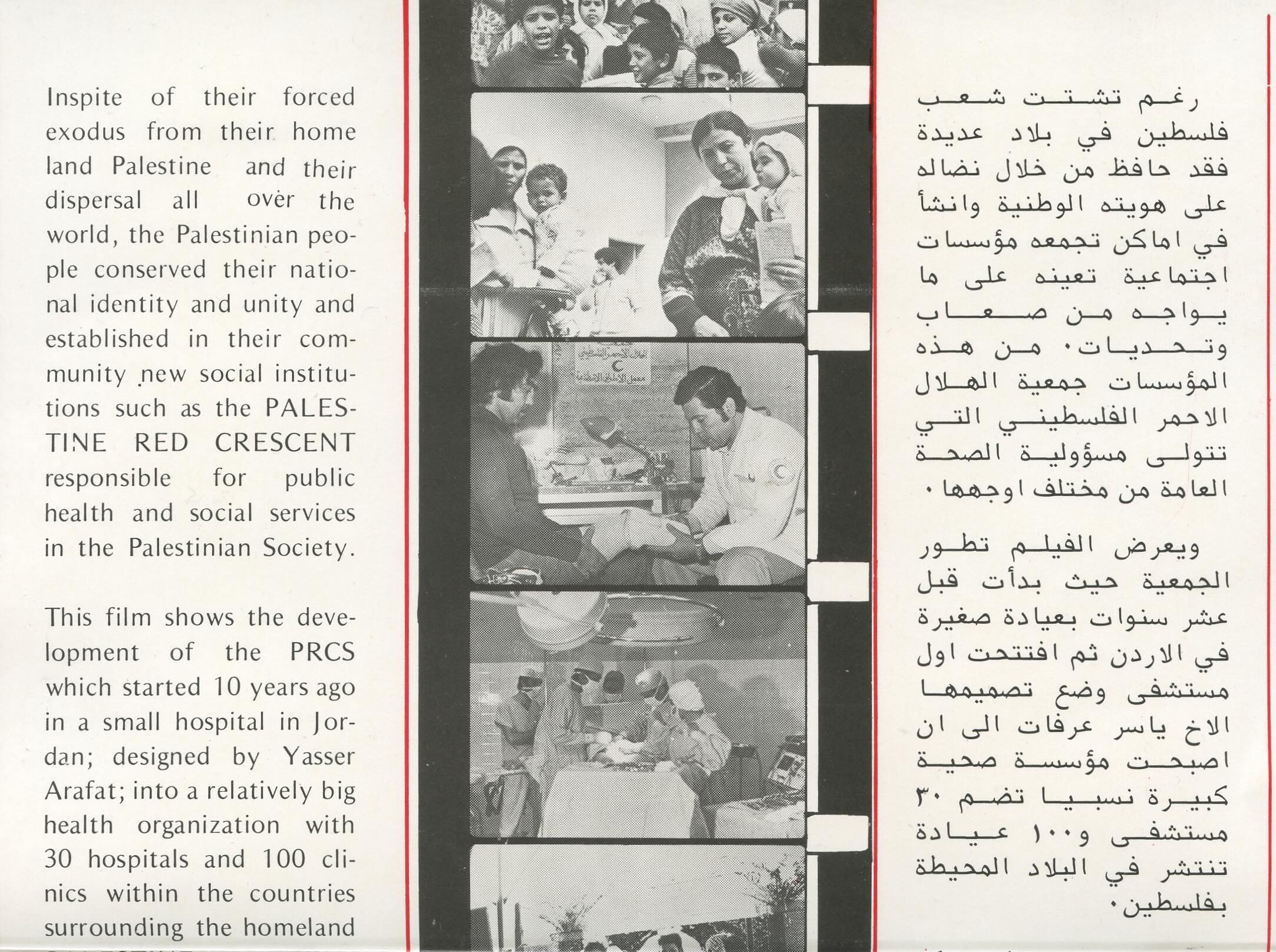
In Palestine Red Crescent Society (1979), Maurer and Samir Nimer document efforts to build a secular and pluralistic society based on popular participation. The film sheds light on the work of organisation and solidarity undertaken in the context of the Palestinian struggle.
The screening concludes with Children of Palestine (1979), also directed by Maurer and Nimer, which examines the consequences of decades of war and occupation on the lives of Palestinian children, deprived of fundamental human rights. The filmmakers seek to understand the systemic causes of violence, connecting individual experiences to the collective history of a people.
Round Table: Tracing Palestinian Film Archives: Access and Archival Justice
21 October | 19:00 | Cinema São Jorge – Screen 2
As part of this programme, Doclisboa also presents the round table “Tracing Palestinian Film Archives: Access and Archival Justice”, dedicated to questions of access, preservation and restitution of Palestinian film archives.
Palestinian film archives are scattered across various institutions, international repositories, private collections, filmmakers and families. This dispersal is compounded by profound difficulties in accessing these materials. On the one hand, European institutions charge substantial sums for access to their collections. On the other, the Israeli military apparatus (IDF) has appropriated a significant portion of these archives, obscuring their provenance, restricting access and refusing restitution.
The discussion will explore strategies for changing this reality, addressing the right to access these images, the preservation of collective memory and archival justice.
The session will be held in English, without translation, and admission is free.
From 15 to 25 October, the whole world fits into Lisbon.


