I have to start somewhere. So I’ll start with the pigeons.
On his last morning—May 21, 1991—, Lino Brocka woke at 6.30 and went to feed his birds. Two lovebirds, a mynah that screeched “Ugly!”, and a pair of pigeons he had bought as a Mother’s Day gift for his mother. He would sit for hours just watching them. “Aren’t pigeons pretty,”, he kept telling the housekeeper, as if he had just discovered the life form. That night, past midnight, on East Avenue, the car he was riding in hit a concrete post. He was fifty-two.
Some say freak accident. Some say a talkative mouth was shut. I was not there. I only note that in our country, both explanations are plausible, and that this itself is a subject of his films.
I am fifty-two now—the same age he was when he died—and I have spent these months inside his sixty-four films, his letters, his interviews, his debts. I do not recommend curating a dead man’s life at the precise age he stopped living it. I do recommend the films.
In the Philippines, ‘national artist’ is not a compliment. It is an official title, conferred by the state, the highest honour the government can hang on an artist, dead or alive. It comes with a laurel, a stipend, a state funeral. Brocka received it in 1997, six years after his death. The same state—in its successive costumes—had banned his films, jailed him without trial, cut his prints, and forced him to the Supreme Court to argue that his country had the right to see itself. He was decorated posthumously, which is to say he was not consulted. Consulted, he would have refused. Alive, he called himself an anarchist. So the title of this retrospective is not a provocation. It is a correction. The national artist is a statue. We come for the man who talked back to statues.
You could say Brocka made melodramas. You could also say a typhoon is just weather.
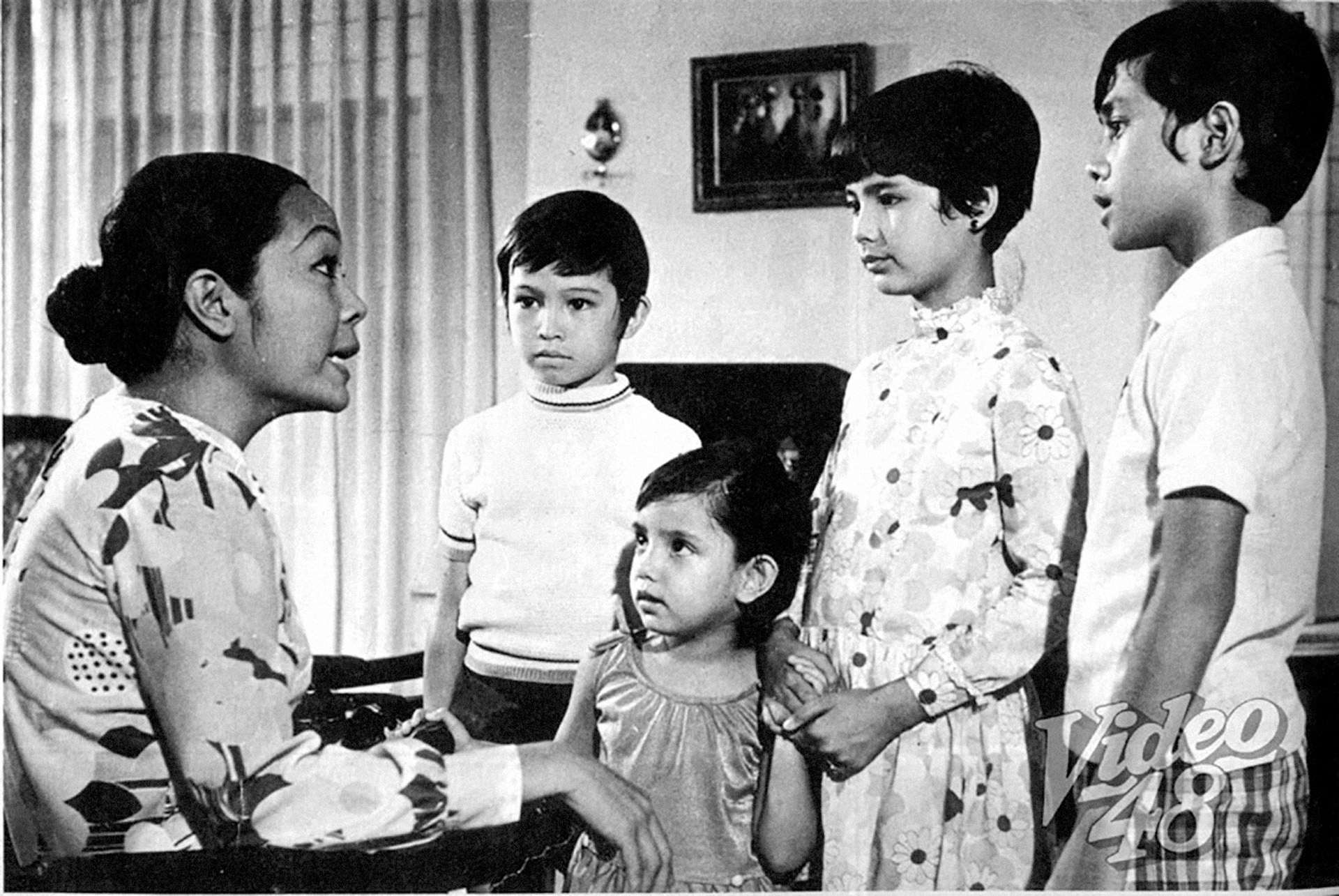
His first film reworked The Sound of Music. Sit with that. The fiercest political filmmaker in Asia entered cinema through Rodgers and Hammerstein, and never apologised, because he understood what purists do not: popular forms are not the enemy of truth, only a delivery system. He made comics adaptations, star vehicles, weepies. Also comedies including one where the king of Philippine comedy plays a gay father raising a child in 1978. There were action pictures, a war film, a boxing film, historicals about eighteenth-century revolutionaries against colonial Spain, about the three priests garrotted in 1872. There was a film shot in Japan; a film shot in Hawaii. And then six commercials for orange soda—in this programme, thirty seconds each, “Ako At Royal, Natural!”—because the films about the poor did not pay the poor filmmaker. A retrospective that hides the soda is lying to you, and he had enough of that while alive.
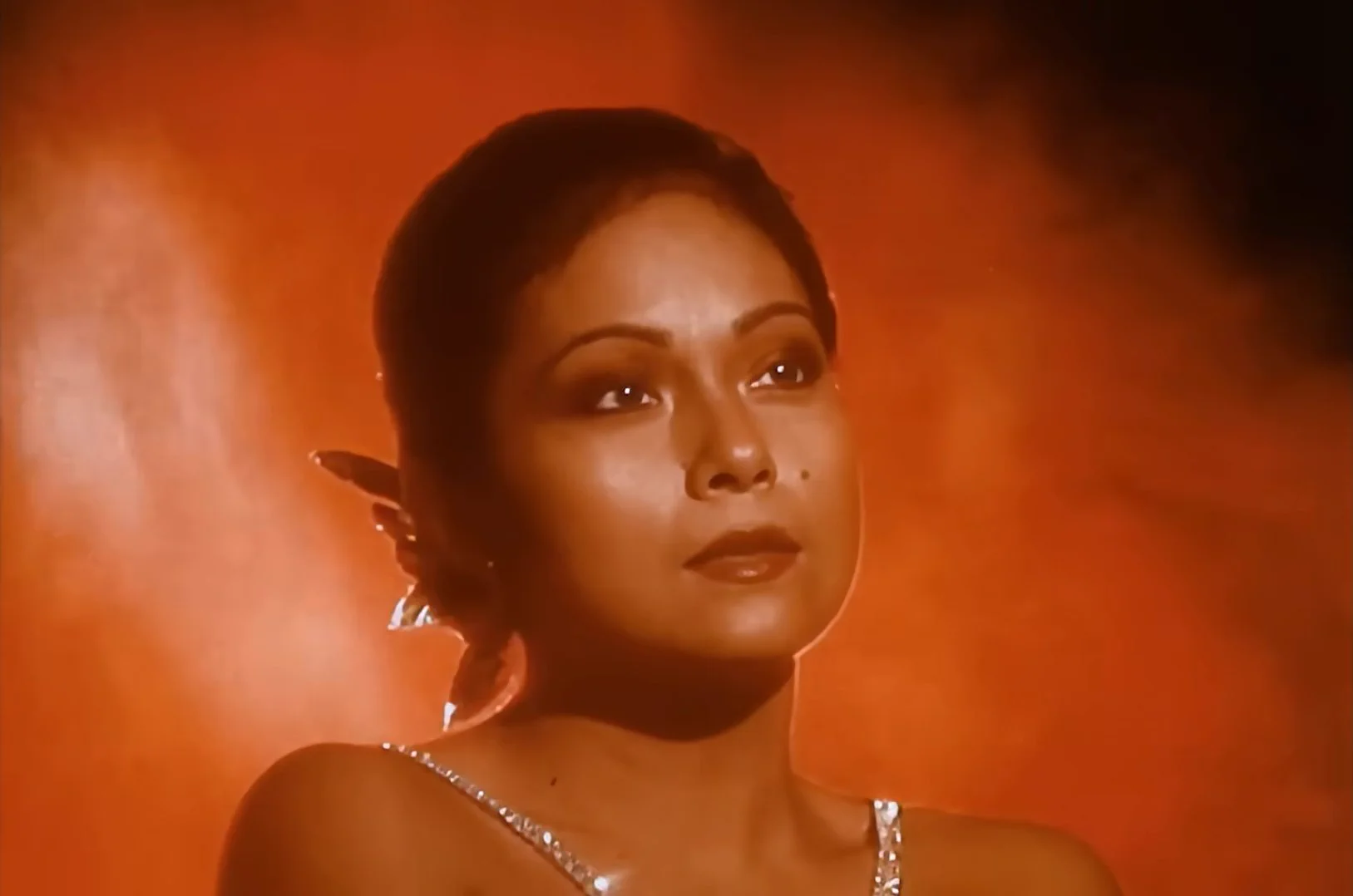
He also made film noir. I will take this argument further: Brocka is one of the great noir directors, and nobody noticed because the night streets were in Manila and the shadows spoke Tagalog. A provincial boy searches the city for a stolen girl and becomes a killer. A bodyguard takes the fall for the rich. A slum daughter converts her violation into cold, patient revenge. Night cities, trapped bodies, desire and money grinding the innocent into weapons—this is noir with the humidity turned up, where the femme fatale is poverty itself. Hollywood invented the shadows. Brocka lived on the street where they fell.
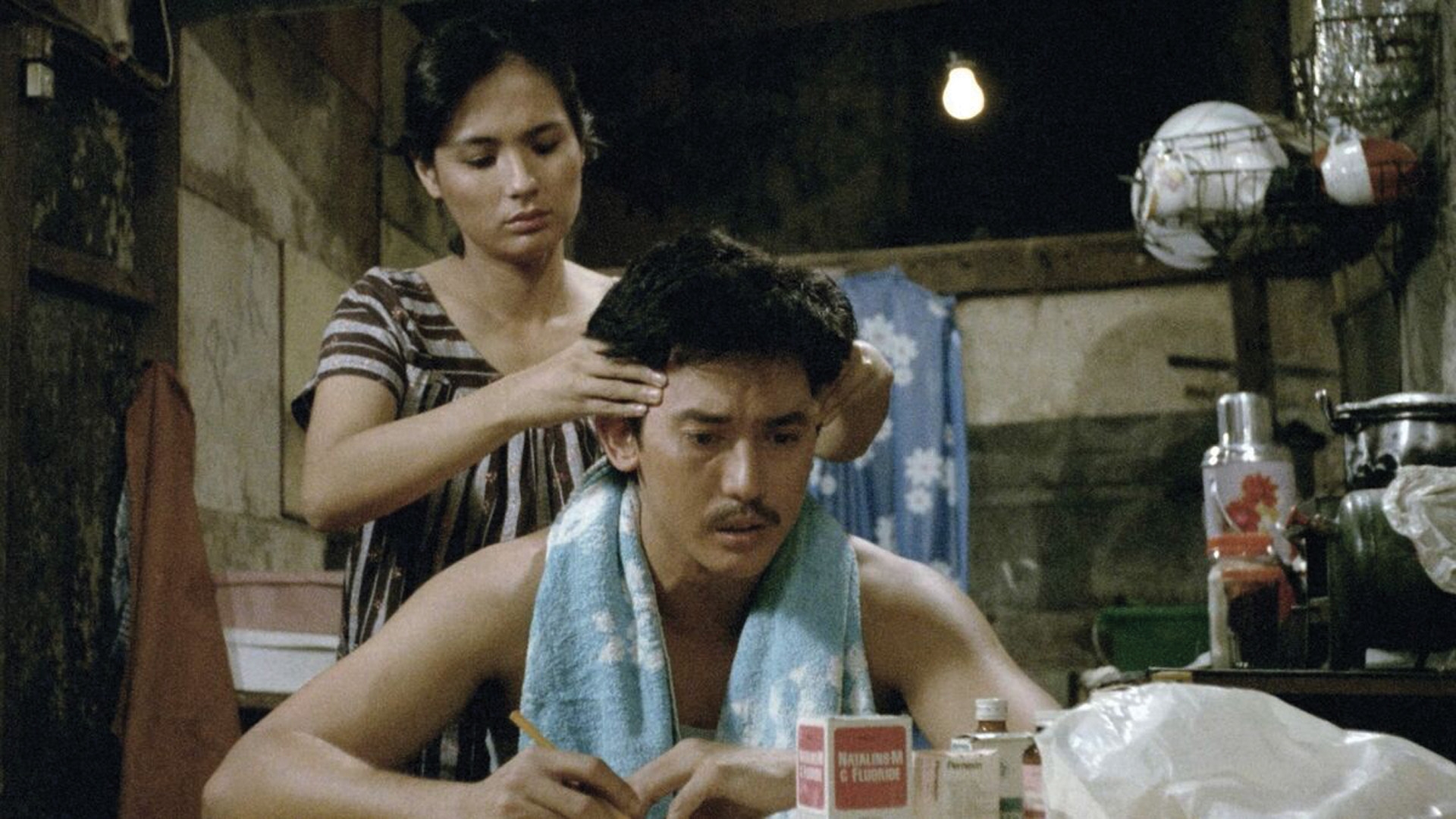
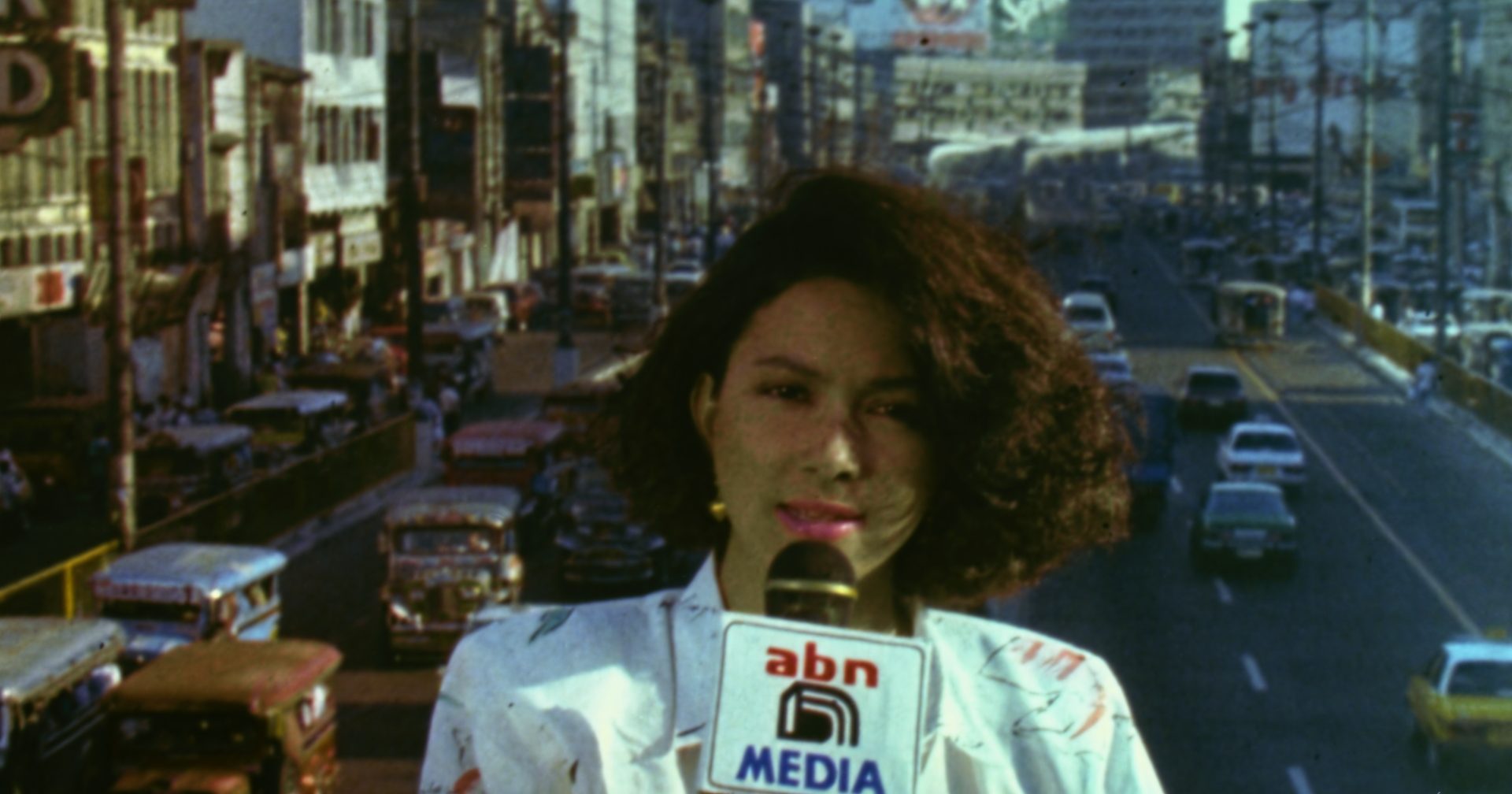
He documented Manila while fictionalising it: real slums, real red-light districts, crowds who were not extras because nobody paid them. His establishing shots alone are an archive of a vanished city. If he had been a documentarian, he would have been a great one. In a sense, he was one, smuggling the actual city into commercial pictures the way he smuggled politics into melodrama. The censors scanned for subversion. In his films, subversion arrived crying, disguised as a mother, and walked past them.
He had four careers but treated them as one. Cinema. Theatre—from a stage inside Fort Santiago, the fortress where Rizal¹ was imprisoned before execution; Philippine political theatre literally performed inside the national wound, and something in him never came back from it, thank God. Television—anthology dramas with full scripts and rehearsal days, unheard of then; that body of work alone would make another man’s career. And the street: marching against censorship, for freedom of expression, for jailed colleagues, and once for a jeepney² strike over the price of gasoline, the most famous director in the country protesting fuel costs because his audience rode jeepneys and his conscience did not distinguish between large causes and small ones. When the dictator fell, he kept marching, because the next government banned him too. He understood that dictatorship is not a man but a habit.
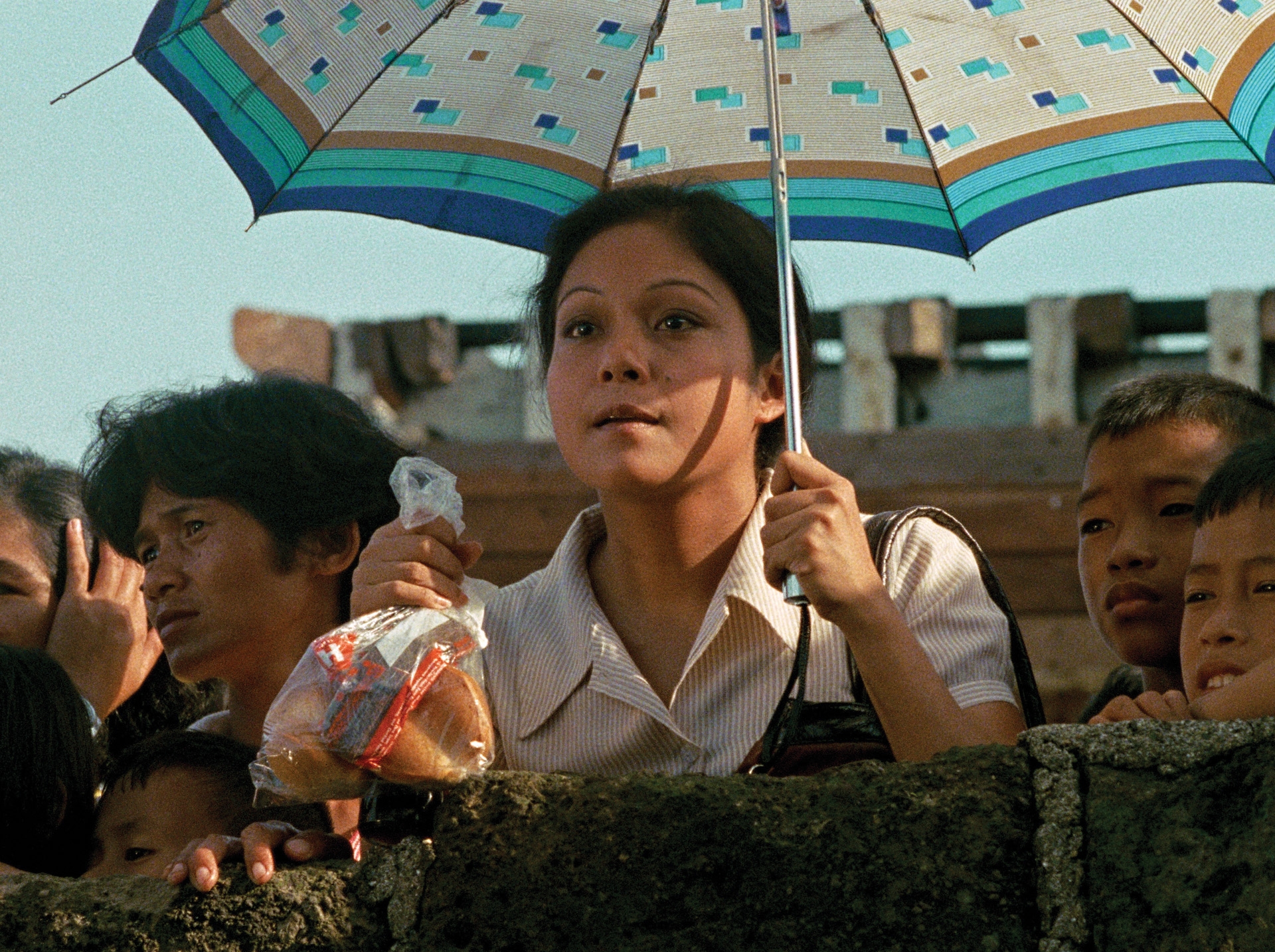
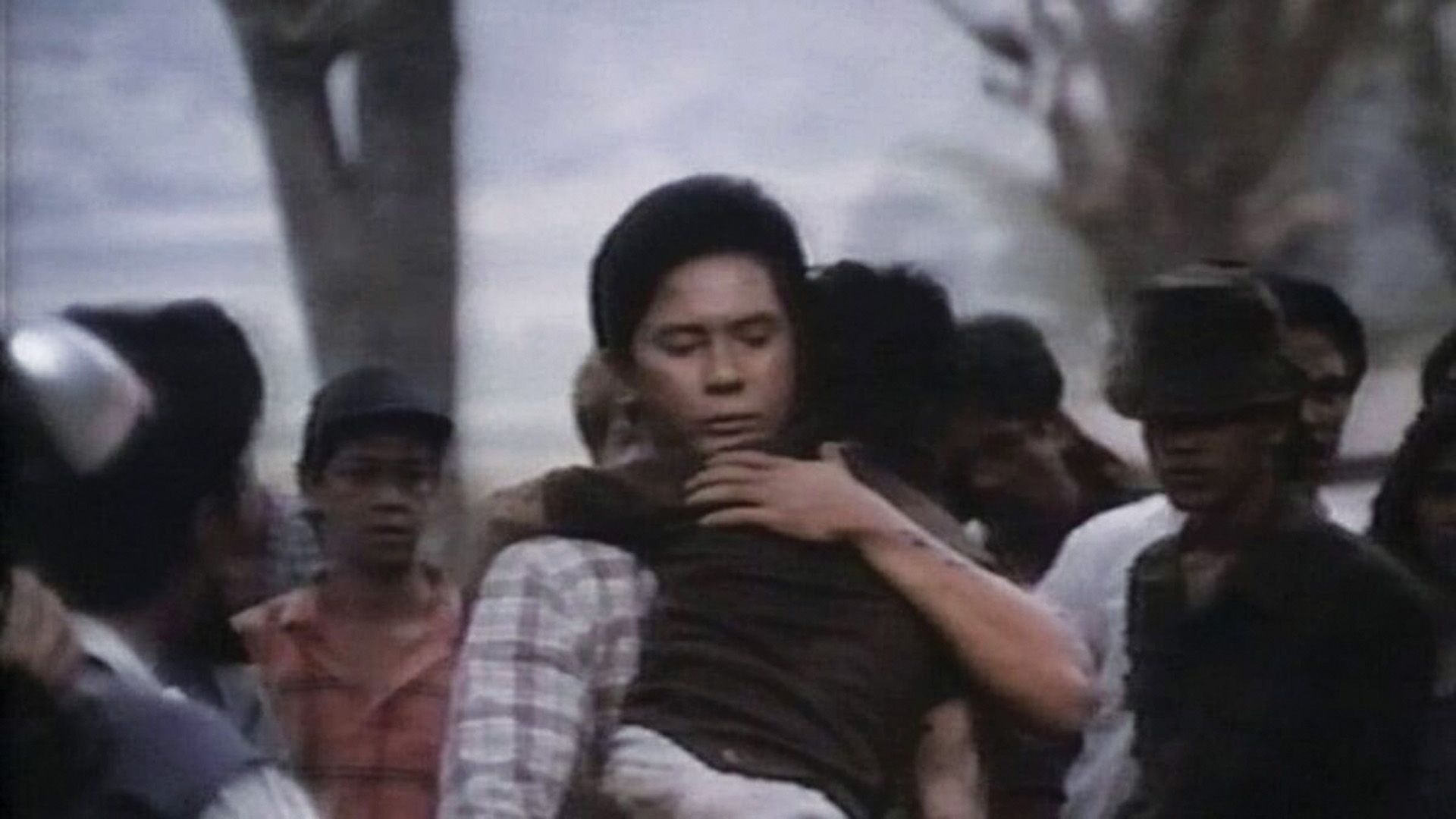
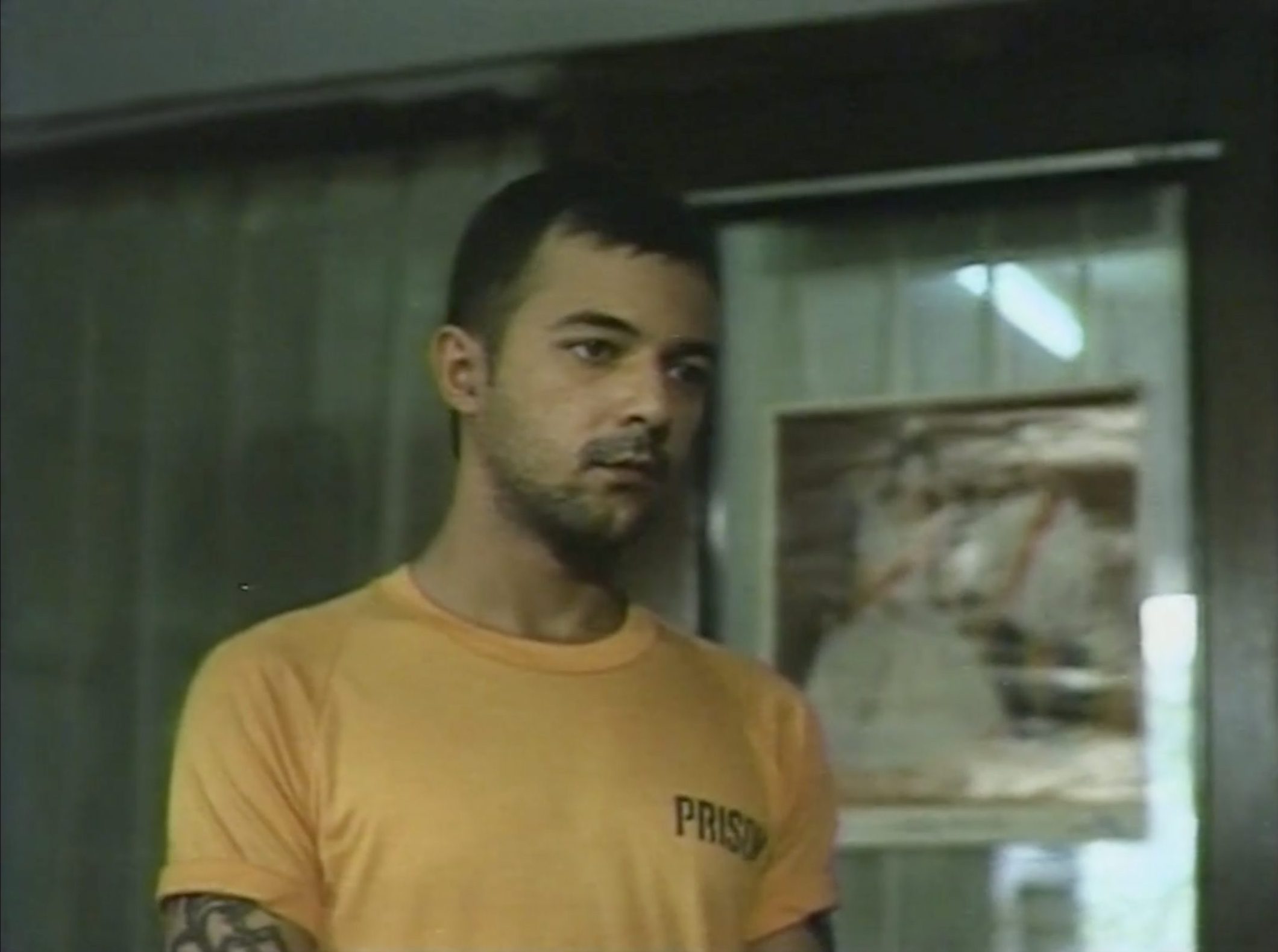
This retrospective includes the canon—the films that reached Cannes, beginning with Insiang, the first Philippine film ever shown there. But the canon doesn’t even fill ten fingers. The man made sixty-four films. So alongside the celebrated, this retrospective includes the forgotten: films never shown outside the Philippines; films undiscussed even in Philippine film schools; films surviving only as tired video: U-matic, Betacam, VHS, Betamax, off-air television recordings.
Here is the part that should scandalise you properly: the Philippines had no national film archive until 2011. Twenty years after his death. Everything that survives from before survives because of cinephiles, collectors, pirates taping movies off midnight television. Fifty-eight of sixty-four films exist in some form because unofficial people refused to let go. The pirates, it must be said, did not do a bad job. Five or six films remain lost—no negative, no print, no forwarding address—and there are rumours, always rumours, of one coming home. We show the scratched ghosts gladly. A scratched ghost is still a ghost. See what remains while it remains.
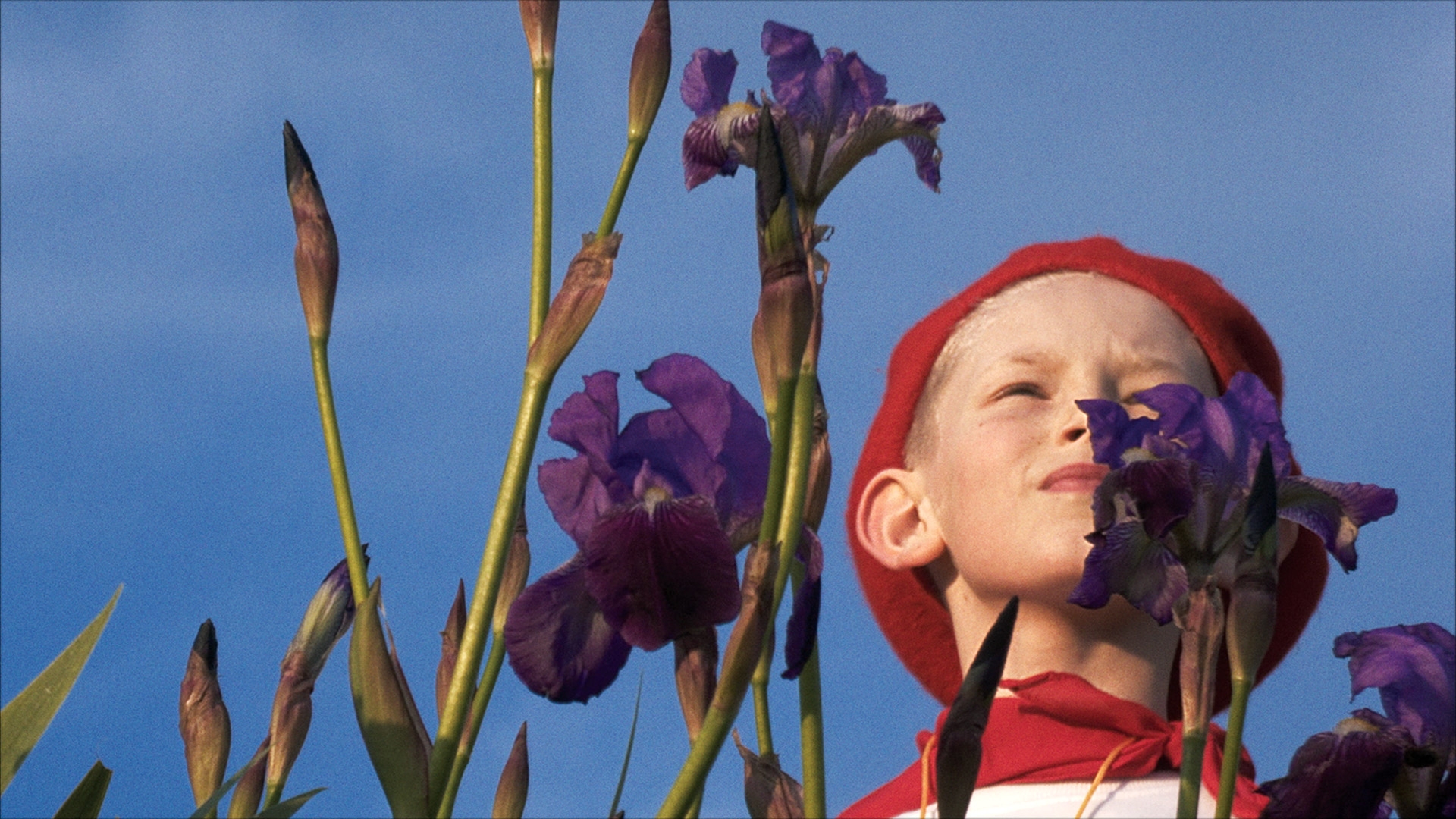
Also here: Oca, a seven-minute short film made for an international omnibus alongside Godard and Jerry Lewis. That sentence alone is worth the ticket.
What was Lino Brocka? Gay, illegitimate, provincial, poor. A carpenter’s son who sang for market vendors as a child and made them cry so his sampaguita³ would sell. A former Mormon missionary. A busboy in 1966 San Francisco, where the Tenderloin⁴ taught him things his country had no words for yet. The man who helped write freedom of expression into the Philippine Constitution— an anarchist drafting law, his finest paradox—, and who wore to Cannes a barong⁵ painted with a blood-red map of his country: JUSTICE across the chest, FREE THE ARTIST on the back.
Lino Brocka’s films are not history lessons. They are the present. Check today’s news.
For the times are bad, he said, and given times like these, it is a crime to rest.
He fed the pigeons. He did not rest. For eleven days in October, in Lisbon, neither should you.
- José Rizal, a Filipino writer and nationalist revolutionary, who was executed by a firing squad of Filipino soldiers in the Spanish Army on December 30, 1896. [TN]
- The most popular means of public transportation in the Philippines, known for its crowded seating and kitsch decorations. [TN]
- Jasminum sambac, a species of jasmine that is the national flower of the Philippines. [TN]
- A downtown neighbourhood known for crime, homelessness, and open-air drug markets; the centre of the fentanyl crisis in San Francisco.
- A cutting weapon similar to a cleaver, with A cutting weapon similar to a cleaver, with a thick back and thin razor-like edge, used by the Moros of the Philippines. [TN]
Khavn
Co-Curator of the retrospective