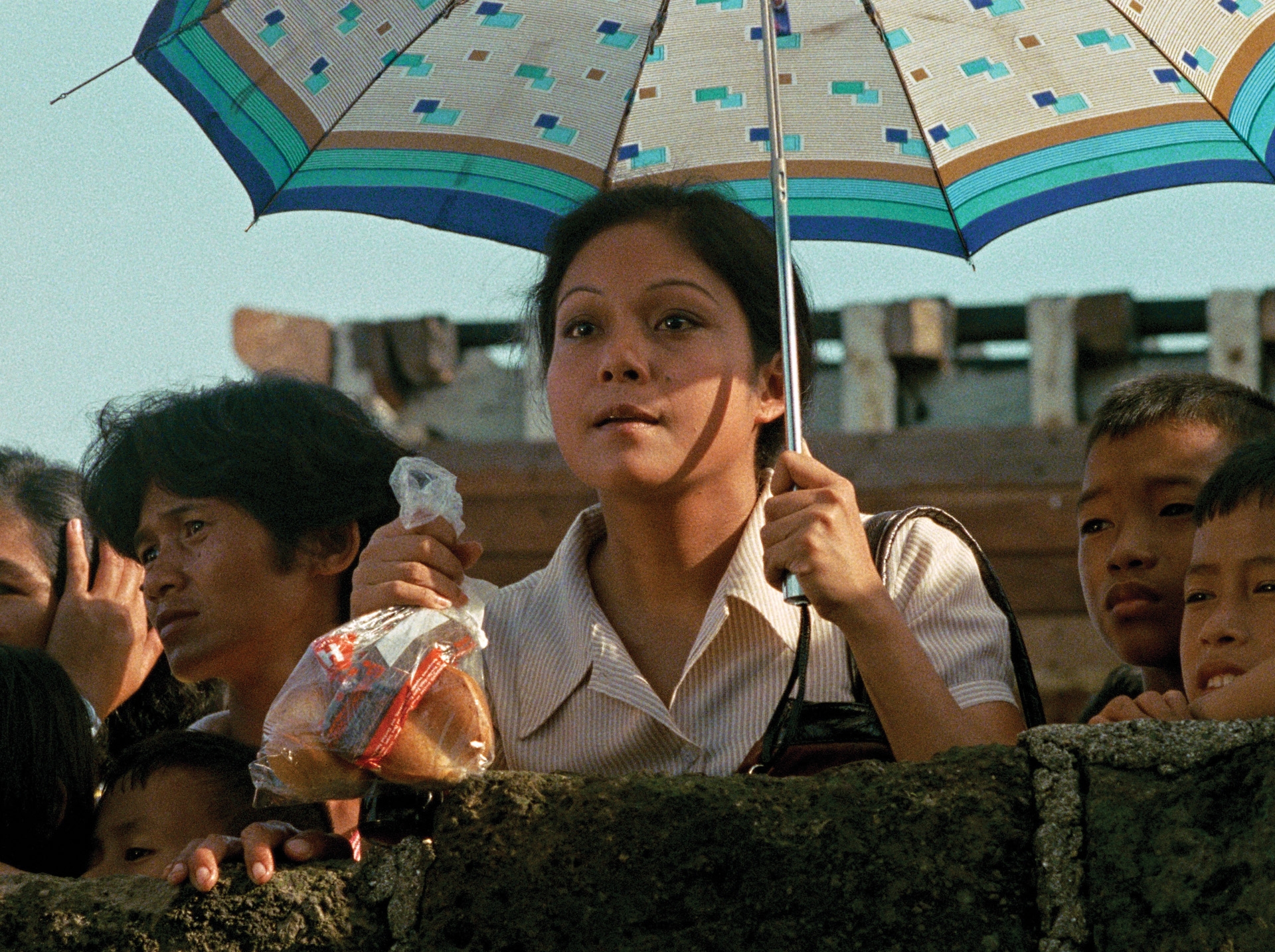
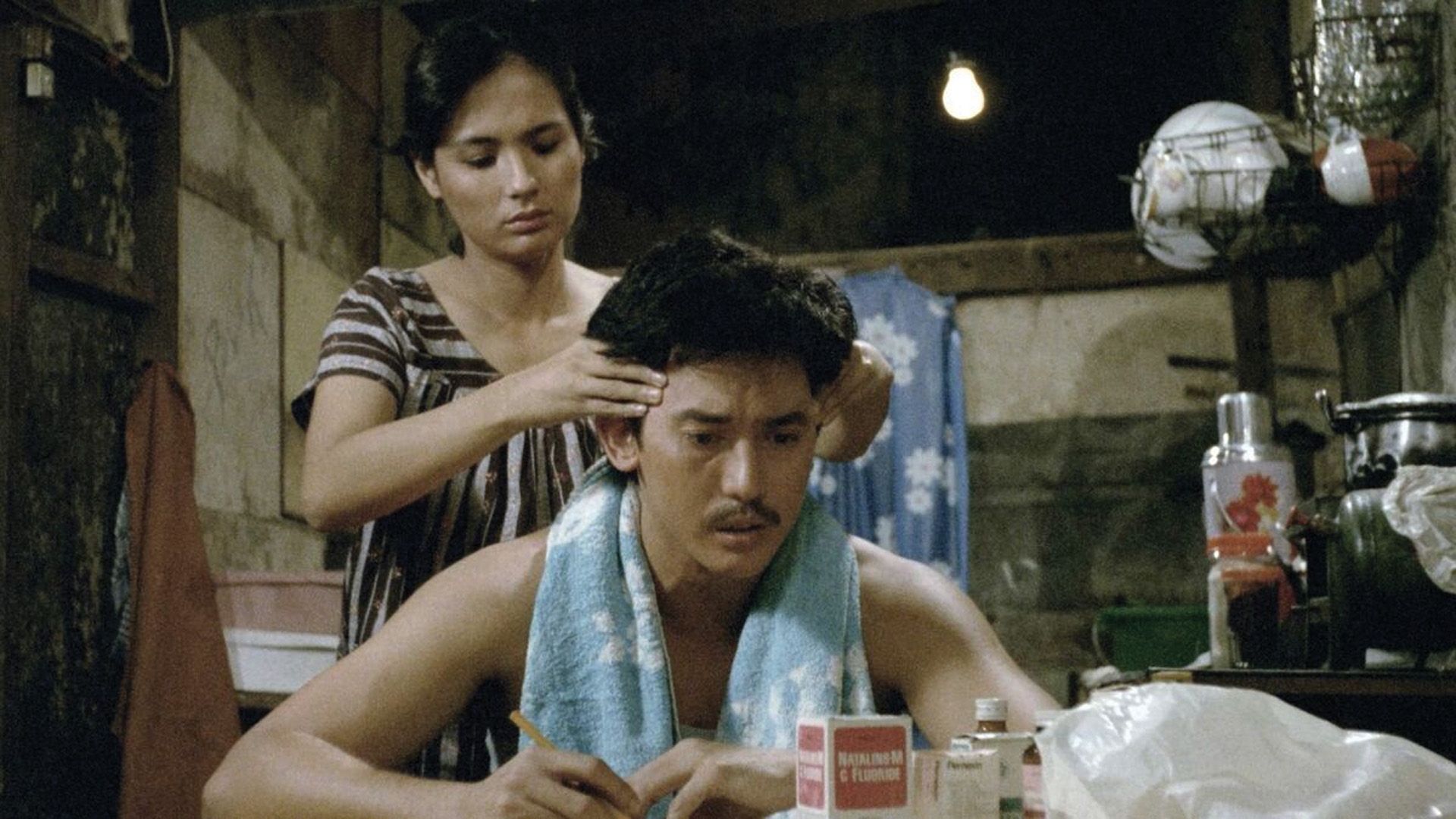
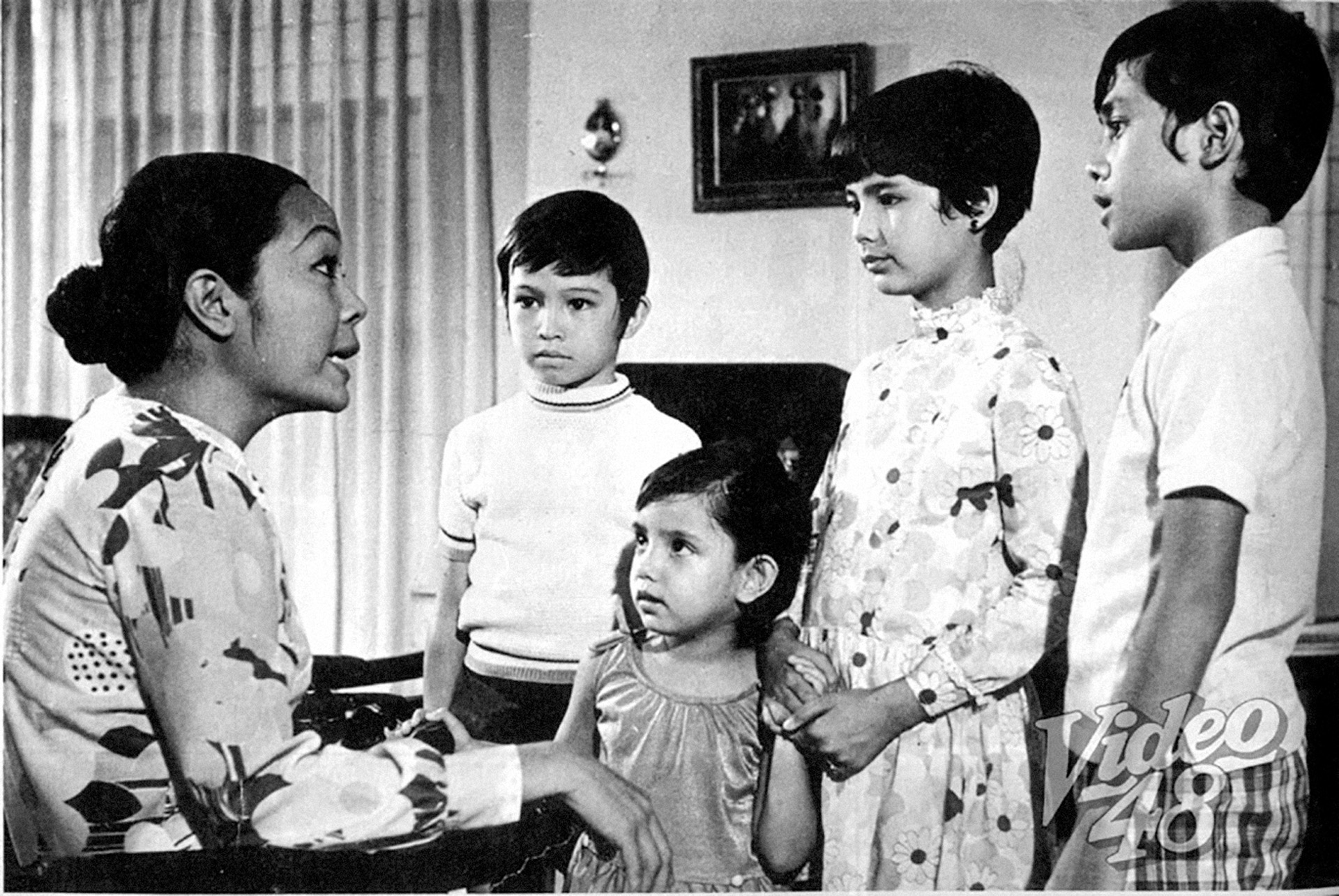
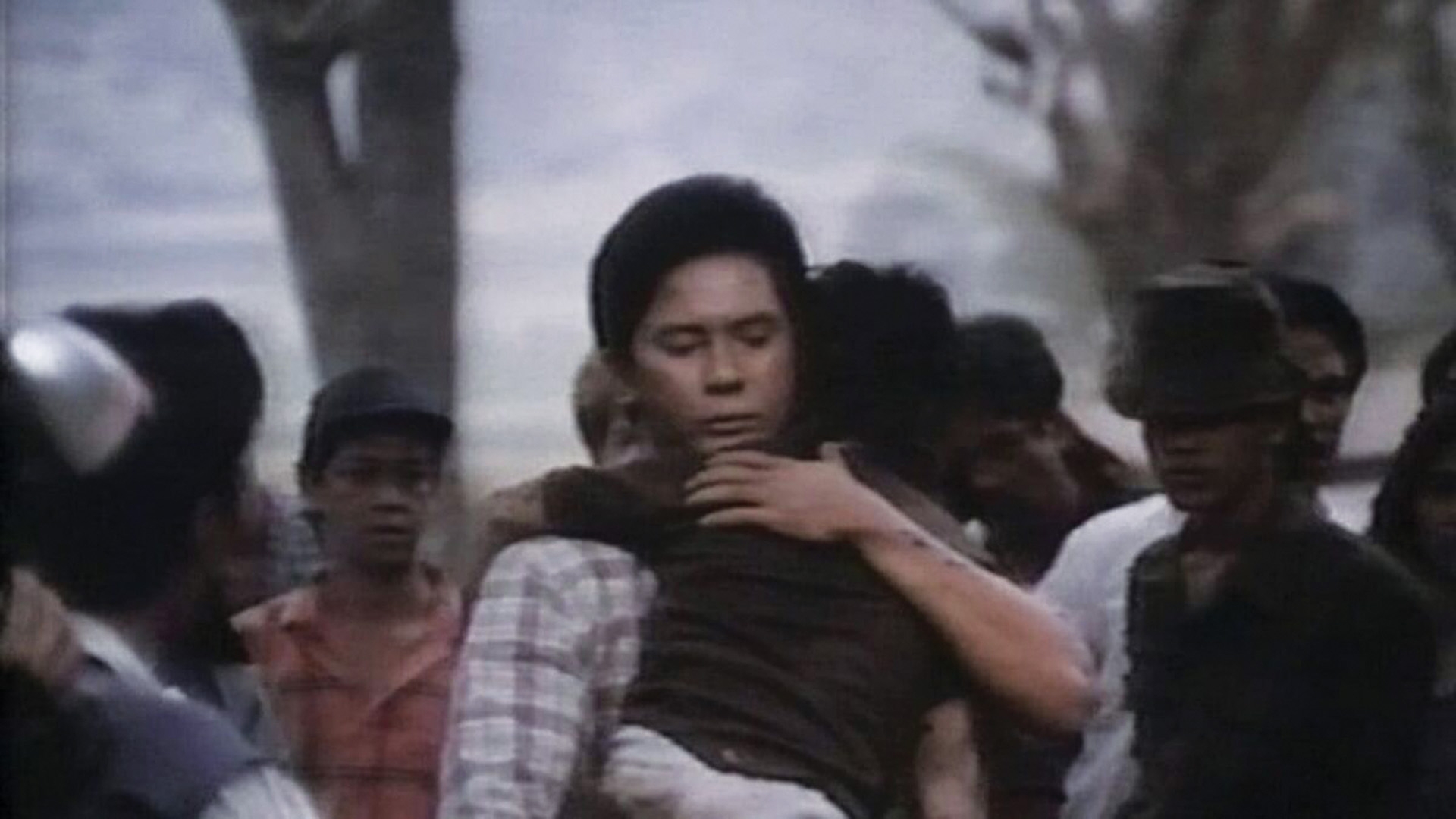
In the Philippines, ‘national artist’ is not a compliment. It is an official title, conferred by the State, the highest honour the Government can hang on an artist. Brocka received it in 1997, six years after his death. The same State had banned his films, jailed him without trial, cut his prints, and forced him to the Supreme Court to argue that his country had the right to see itself. He was decorated posthumously, which is to say he was not consulted. He would have refused. He called himself an anarchist. So the title of this retrospective is not a provocation. It is a correction. Brocka is one of the great noir directors, and nobody noticed because the night streets were in Manila and the shadows spoke Tagalog. Night cities, trapped bodies, desire and money grinding the innocent into weapons—this is noir with the humidity turned up, where the femme fatale is poverty itself. Hollywood invented the shadows. Brocka lived on the street where they fell. He understood what purists do not: popular forms are not the enemy of truth, only a delivery system. He made comics adaptations, star vehicles, weepies, comedies, action pictures, a war film, a boxing film, historicals and six commercials, because the films about the poor did not pay the poor filmmaker. This retrospective includes the canon—beginning with Insiang, the first Philippine film ever shown at Cannes—and the forgotten: films never shown outside the Philippines; films undiscussed even in Philippine film schools; films surviving only as tired video.
Khavn De La Cruz
Curator of the retrospective