“He says that one must love everything that exists to such an extent that, one day, when the time comes, one can love its return.”
Michel Surya, in L’Éternel retour, Lignes & Manifestes, 2006
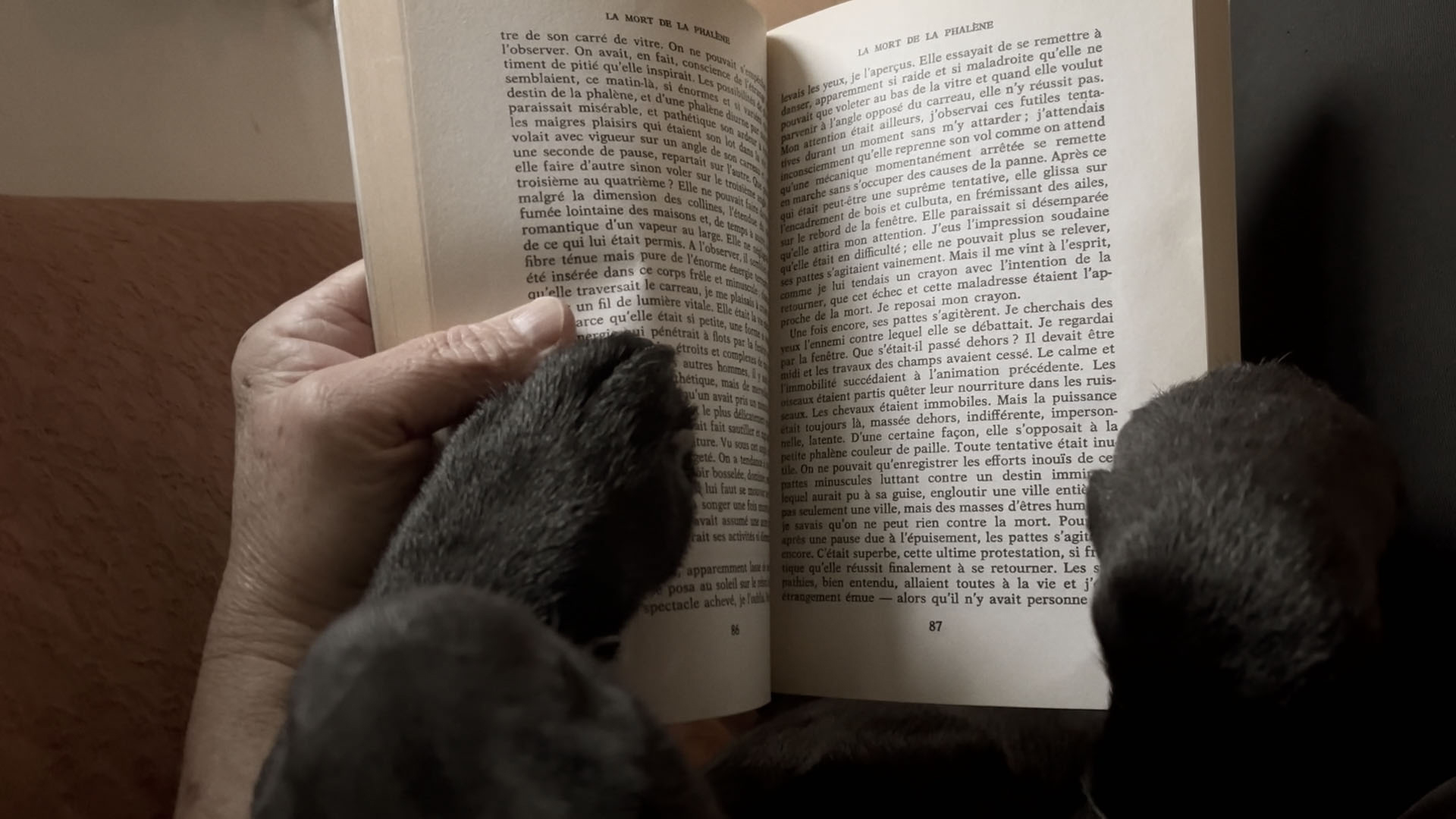
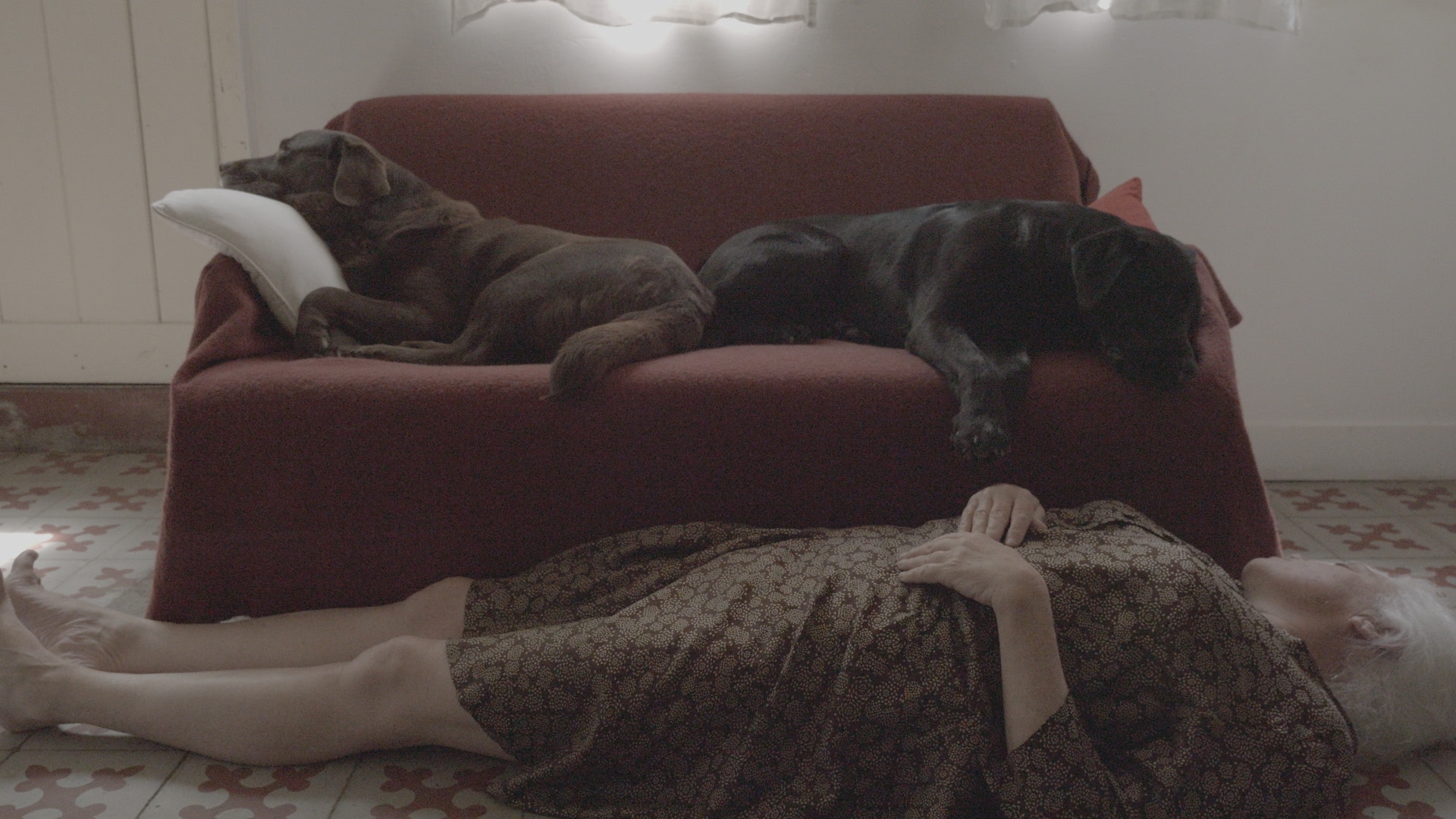
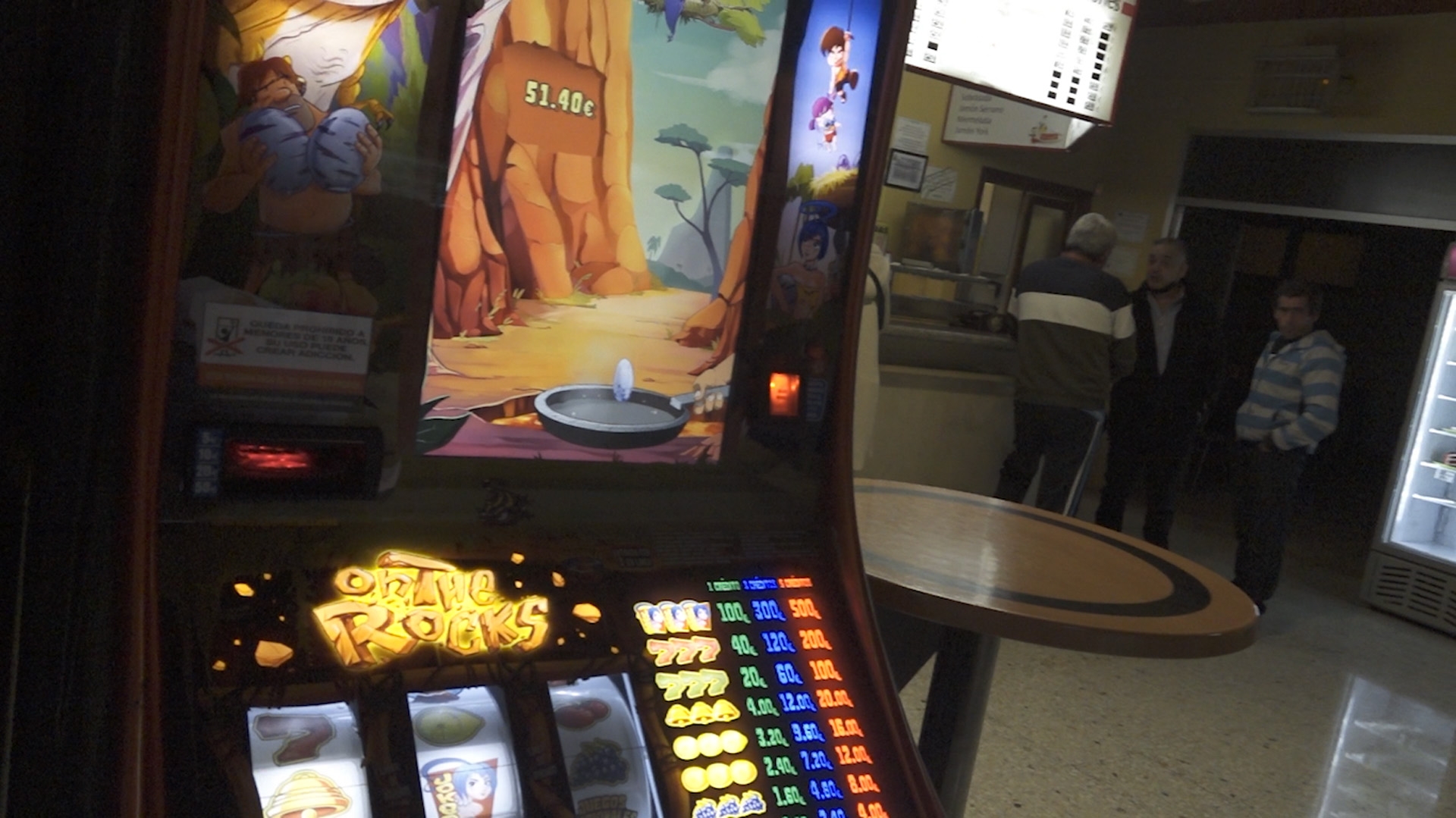
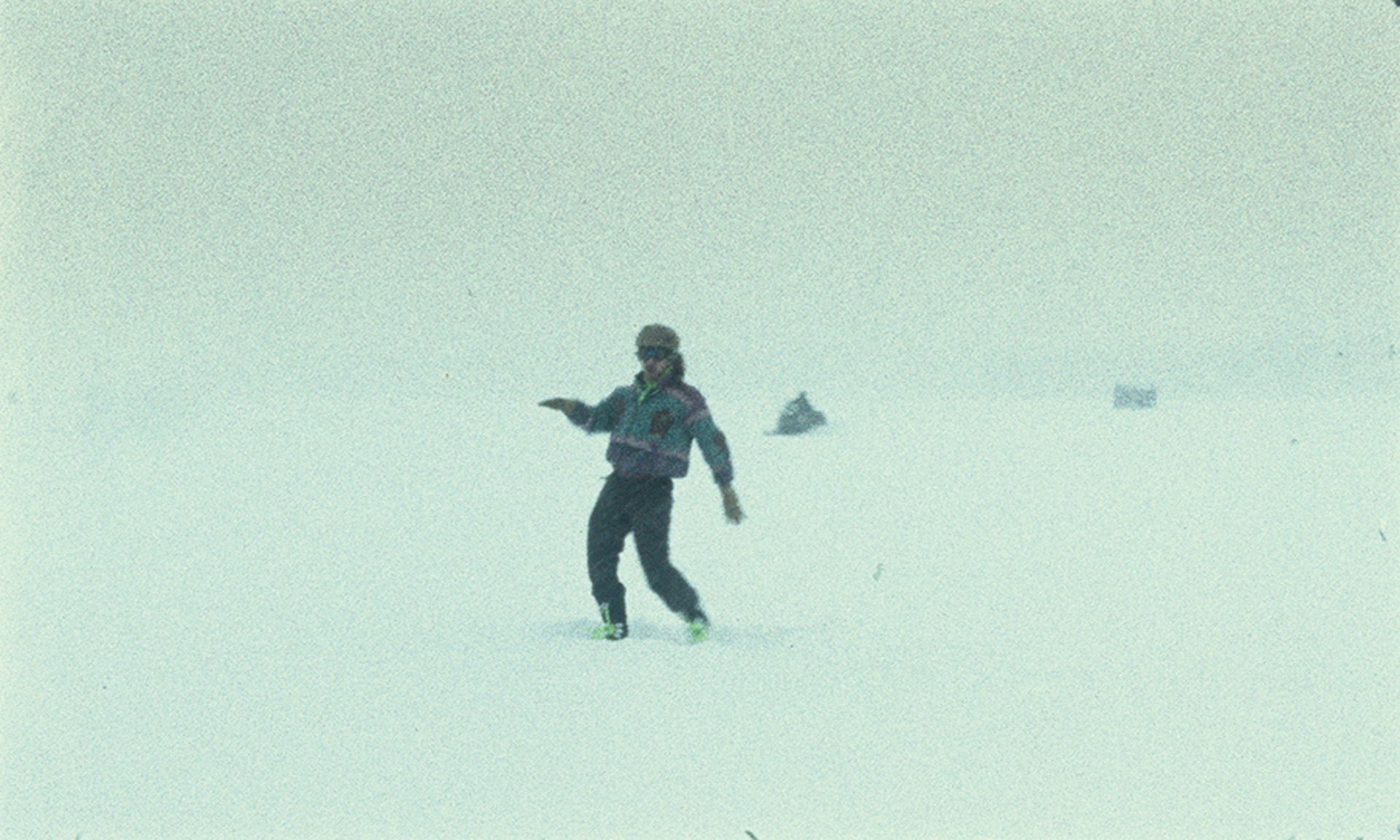
Surya’s text is the source from which emanates the film by Pierre Creton that we present this year. A film that is, in itself, a return to images shot in the past, to the act of filming the emergence of wonder through repetition. A book we were unfamiliar with, and came to us in this way, with profound emotion. To find films is, ideally, also the revelation of our intimacy with what we did not yet know. Unexpectedly, this film offered a possible lexicon for discussing the programme.
The eloquence of spaces as vehicles for history and for the lives that come and go is another manifestation of the temporal flow we have been discussing. Martin Verdet and Olivier Séror construct a cinematic geometry within a house, only to continually throw it into crisis through the relationship between two bodies, their narratives and imaginaries—until geometry becomes drawing, and the house becomes a portal onto a mythography in which we all take part.
The house as an expression of and prerequisite for human history—by a happy coincidence, we are screening two films in which Mies van der Rohe’s great works are brought into the most vibrant contemporary context: in Illinois, Farnsworth Scores, by Lee Anne Schmitt; and in Brno, Love and the End of Romance in Czechoslovakia, by Declan Clarke. In the first, a camera permeated by a hybrid nature, beyond the boundaries of inside and outside, expanded by sound. In the second, a camera that, as it scrutinises the interior of a house steeped in history, is haunted by the ruins of our collective destiny.
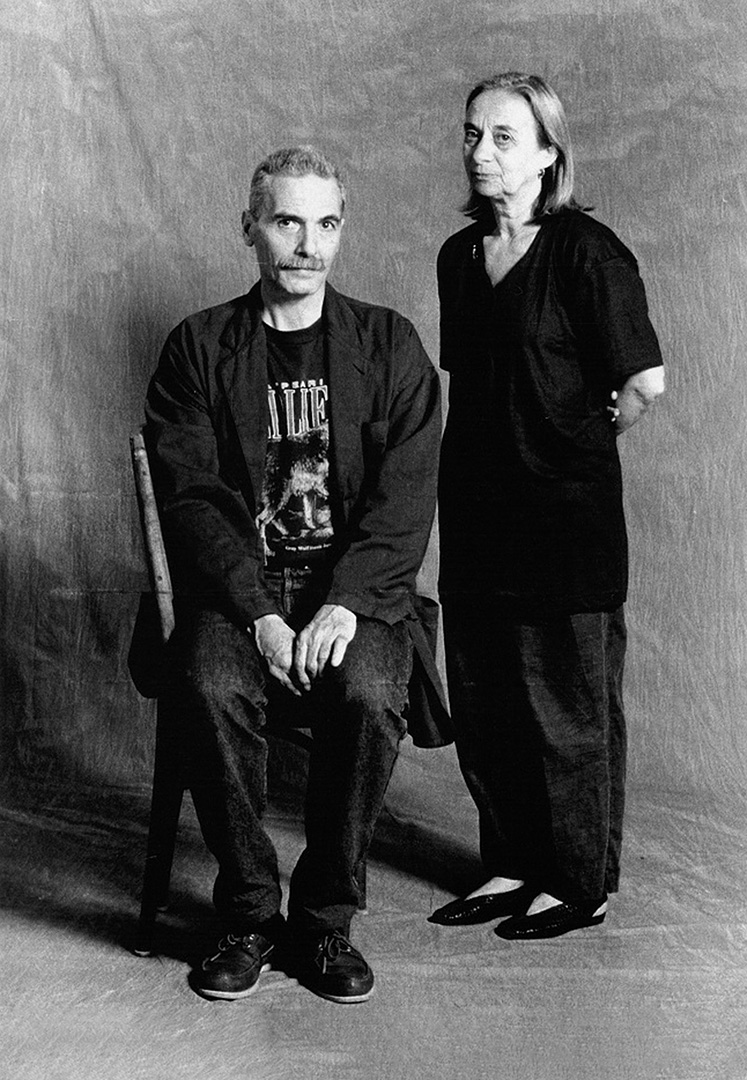
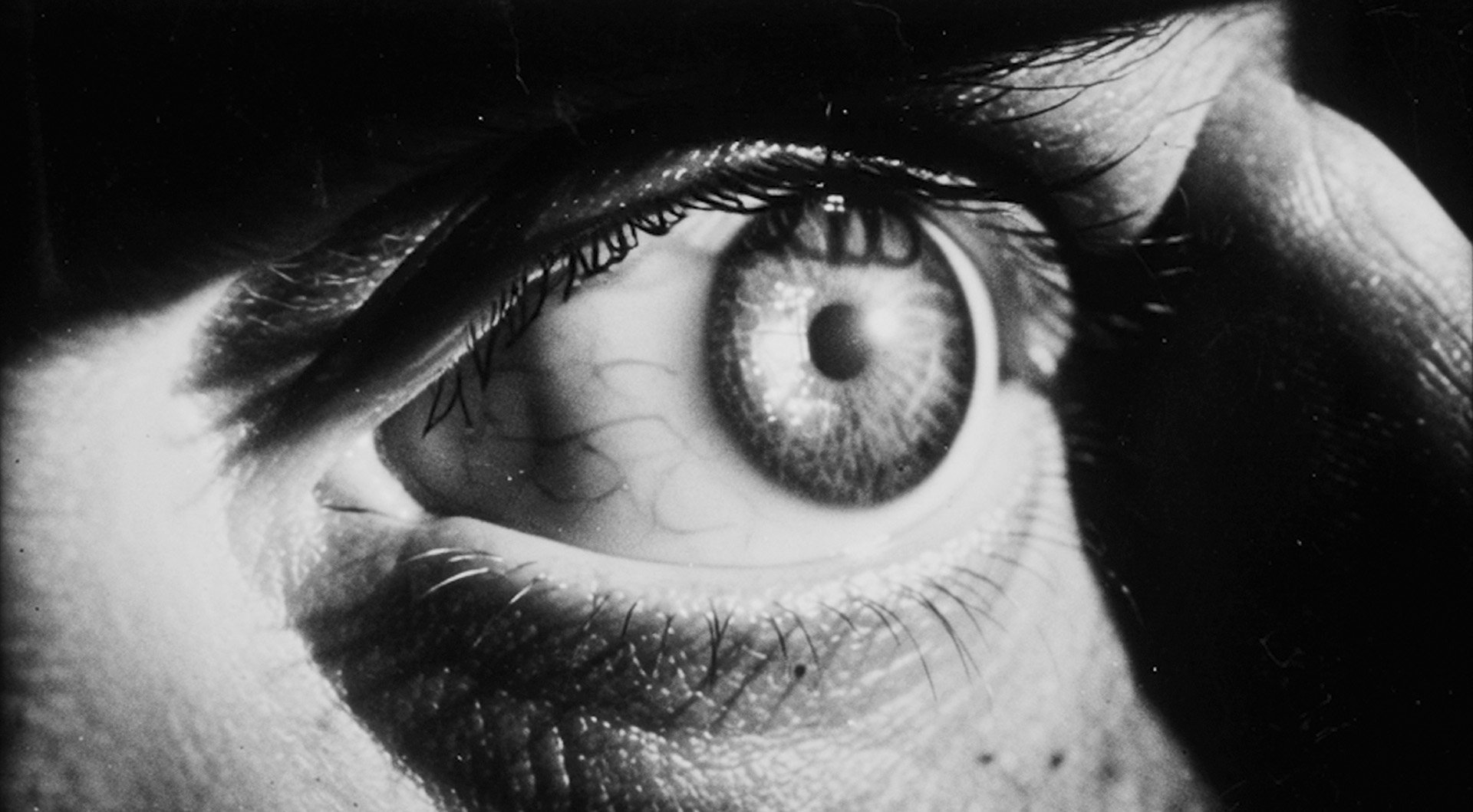
This eternal return with which we grapple, which borders on the absurd in the face of the present, reveals itself in the images through the deciphering of a common time, in which we find ourselves blind, groping for its mysteries and paradoxes. The films by Sanaz Sohrabi and Sabine Groenewegen, as well as Oh! Uomo by Yervant Gianikian and Angela Ricci-Lucchi—whom we honour in this edition—retrieve their relentless power of testimony from the archives.
In this year’s New Vision programme, time and its nuances seem to present themselves as a question concerning the emergence of images and a principle for understanding their presence in the world. Without giving it too much thought in programmatic terms, we have designed a diagram (full of gaps and ambiguities, idiosyncratic and open-ended) of a cinema that refuses to confine itself to the present, but rather opens it up and explores it through the expansive force of the images’ inner freedom—vulnerable, often peripheral and inoperative, yet persistent and glorious in the folds and subterranean depths of languages.
Over the years, Sophie Roger and John Torres have crafted a cinema that can be understood as a fragile possibility of worlds whose poetic power lies in their opacities, small hesitations, and movements that advance towards us and look us in the eye. Two filmographies shaped by an economy determined by the desire inherent in their making and by the celebration of cinema’s limitless uses. Cinematographies that dare to care as much for what they show as for what they see through us.
Gaël Teicher’s reunion with the cinema of his friend Laurent Achard—or rather, with the images that Achard released into the world of cinema that he loved—is another possible manifestation of this notion that cinematic time is imbued with an underlying trust in the life of all things, even the most mundane, right down to the most decayed. The preceding film, by Nonoho Suzuki, appears almost as liminal matter: in the commonality shared by all eras contained within a lived space. From Miriam Martín to Avi Mograbi, we settle into that tragic search for a dignity that lies hidden and persists within radical loss. To speak, to choose the names to use, to seek out the bodily presence of what has happened—places, in their secret exuberance, are also eloquent ruins.
In a way, the New Visions programme embodies this movement I am trying to describe, with its distinct tones and volumes. The subtle dissonances and silences in María Aparicio’s films, for example, open up a vast historical and political horizon in a Madrid that, through Pablo Llorca’s images and characters, brings to life the harrowing contradictions of a contemporary European capital. Bingham Bryant’s film presents us with a multifaceted San Sebastián, traversed by returns and their images, haunted by faces that travel through time. Ivan Marković devises forms of attention that reveal the desires and mirages underpinning the materiality of spaces. In a patisserie and its visitors, Lucía Seles discovers the interplay between the spirit of a place and the wandering inherent in a cinema of unease.
Cíntia Gil