
Retrospective Back to the Future
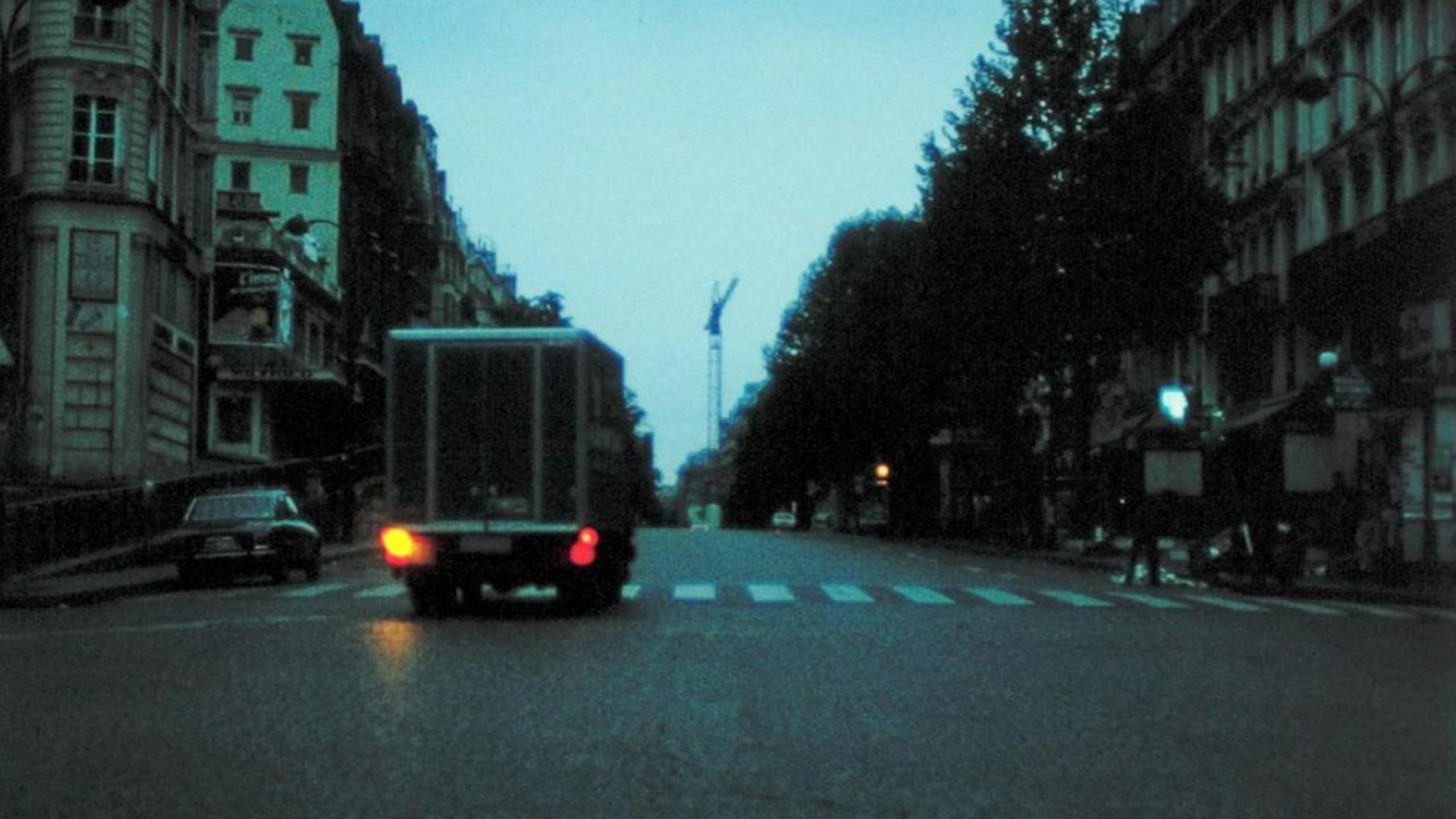
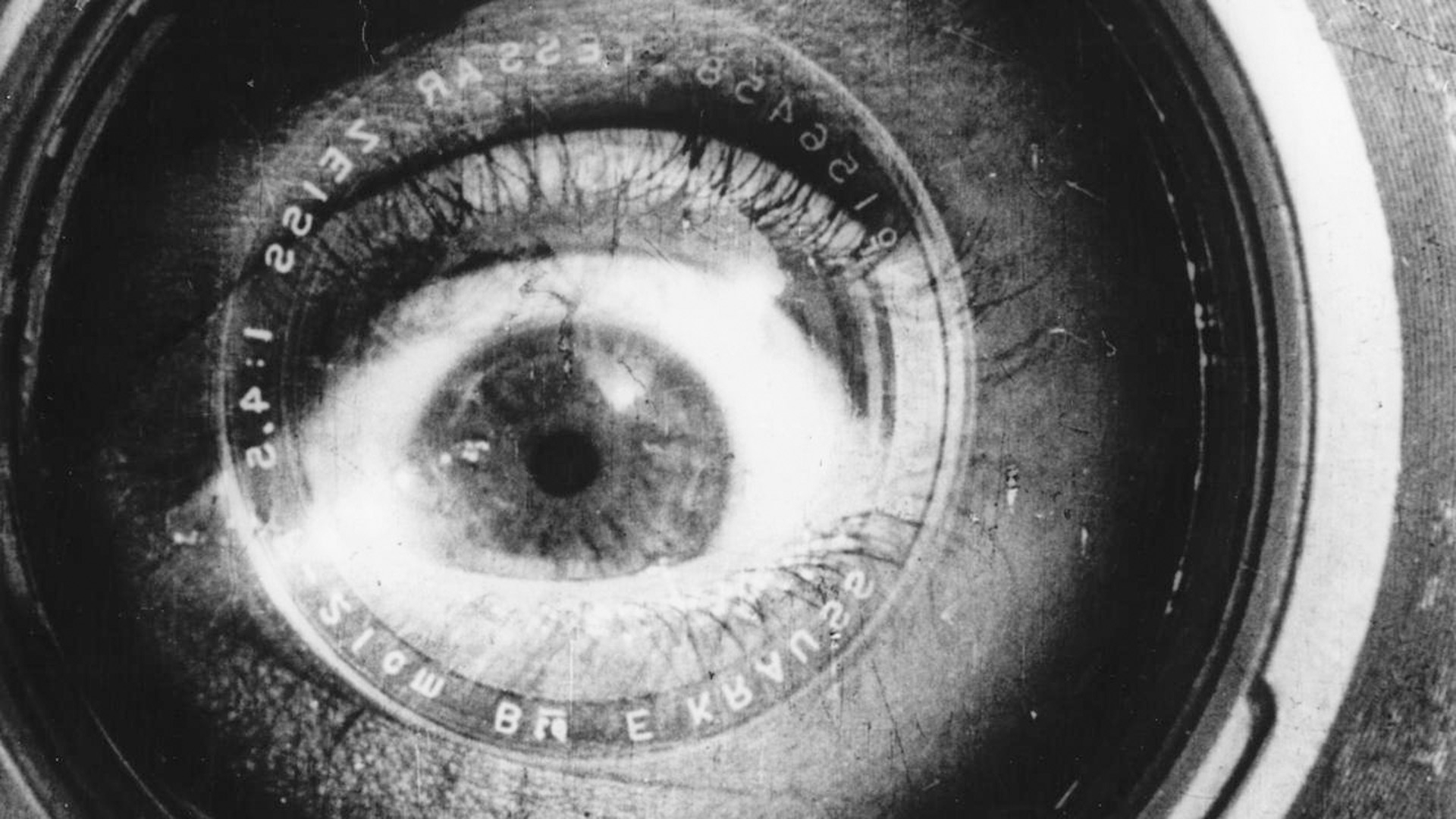
The original ambition behind this title, which is a nod to film history, was to cover the bond that links modernism, that is to say the utopia of the 20th century, and cinema with a few films. One knows that the assumptions of universality, the trust in geometry, the desire to accomplish art in life nourish the modernist project. But its essence ultimately reveals itself animated by the projection movement in every sense: prospection, and a malleable and predictable timetable of happiness—in short, a consistent movement from back to front. That’s why cinema is not just one of the many artistic vectors of this adventure, but the role model, the herald. And definitely the hero. Let us recall Malraux’s remark: cinema is the projection, the experience of a light coming from behind our heads to present itself in front of our eyes. It is somehow the experience of throwing: a crossing of time and space that is above all sweeping and bewildering. For that reason, the cornerstone of this programme could only be Chelovek s kino-apparatom [Man with a Movie Camera]. We won’t repeat the wonders and awe of a film that simultaneously attaches itself to that which it admires and is a virtuous exercise of mise en abîme. One knows the way in which the film establishes a truly unprecedented contract between a city, its inhabitants, its several activities, the time elapsed over a day, and a cameraman and the camera—or to be more precise its lens—the only truly protagonist. A contract between fixity and velocities; a contract between unicity and multiplicities. Lastly but not least, a contract between the plans themselves, also liberating in an unprecedented and literally revolutionary way the recorded elements, as if obviously this shooting and editing prowess anticipated the ‘emancipation’ of society as a whole.
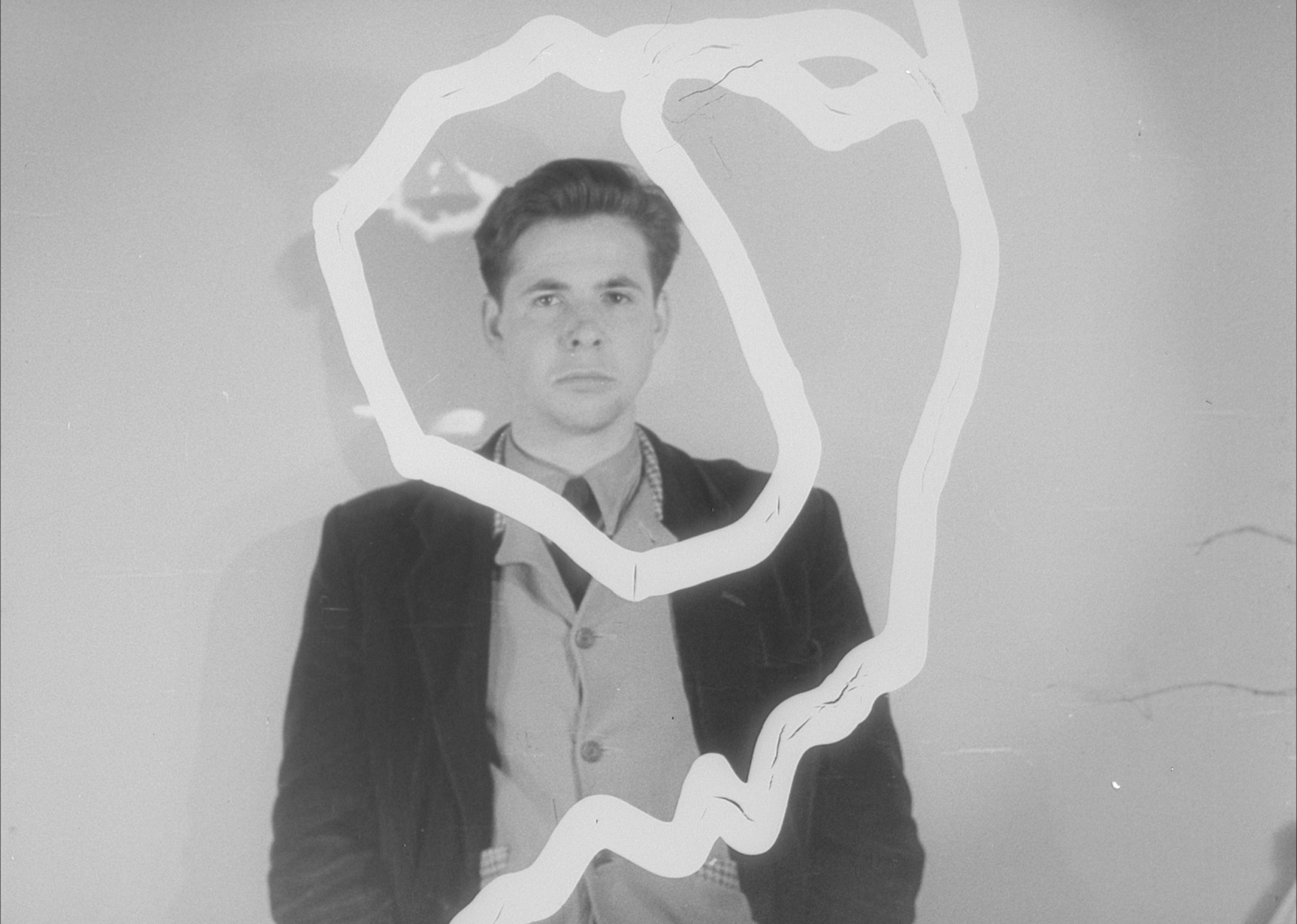
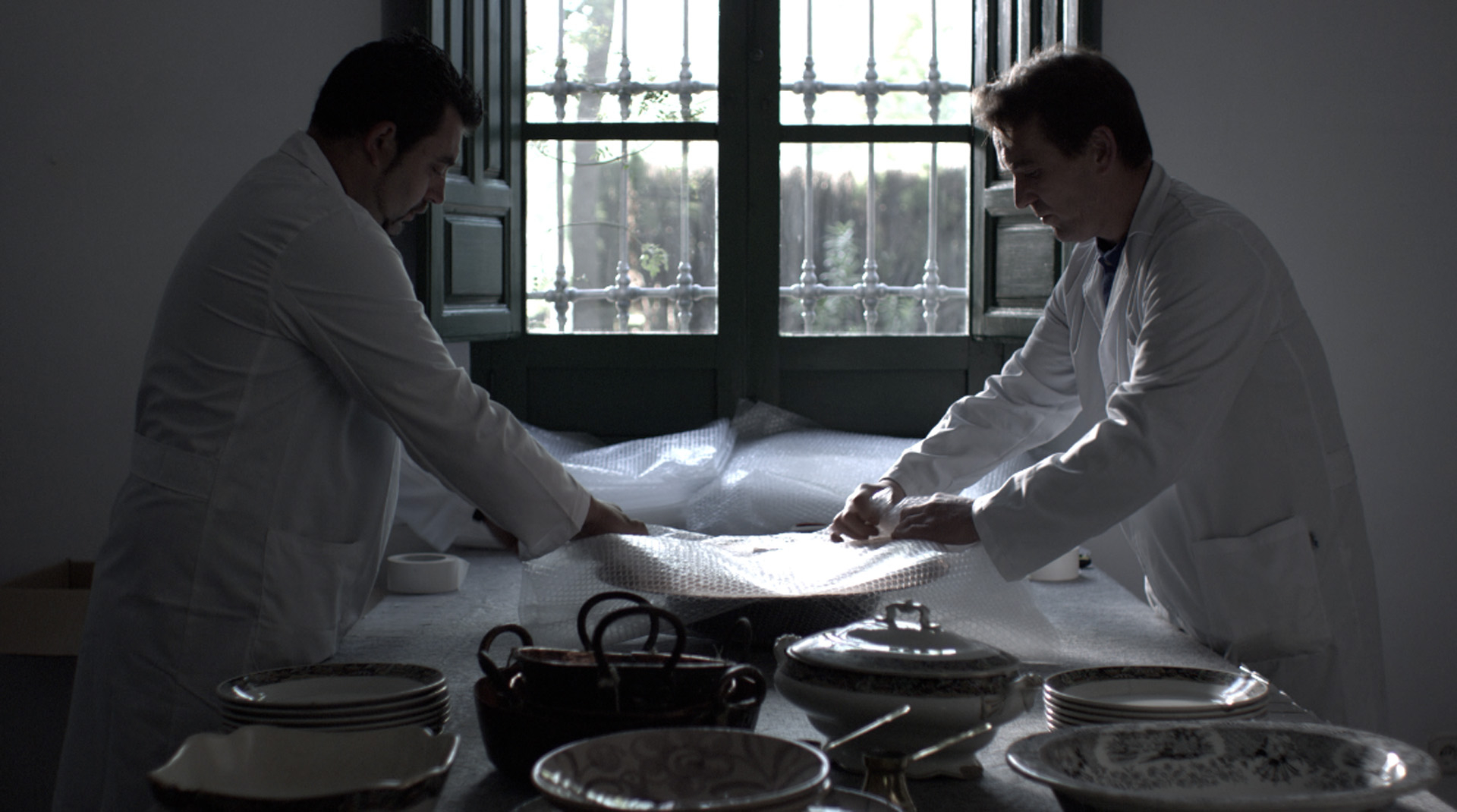
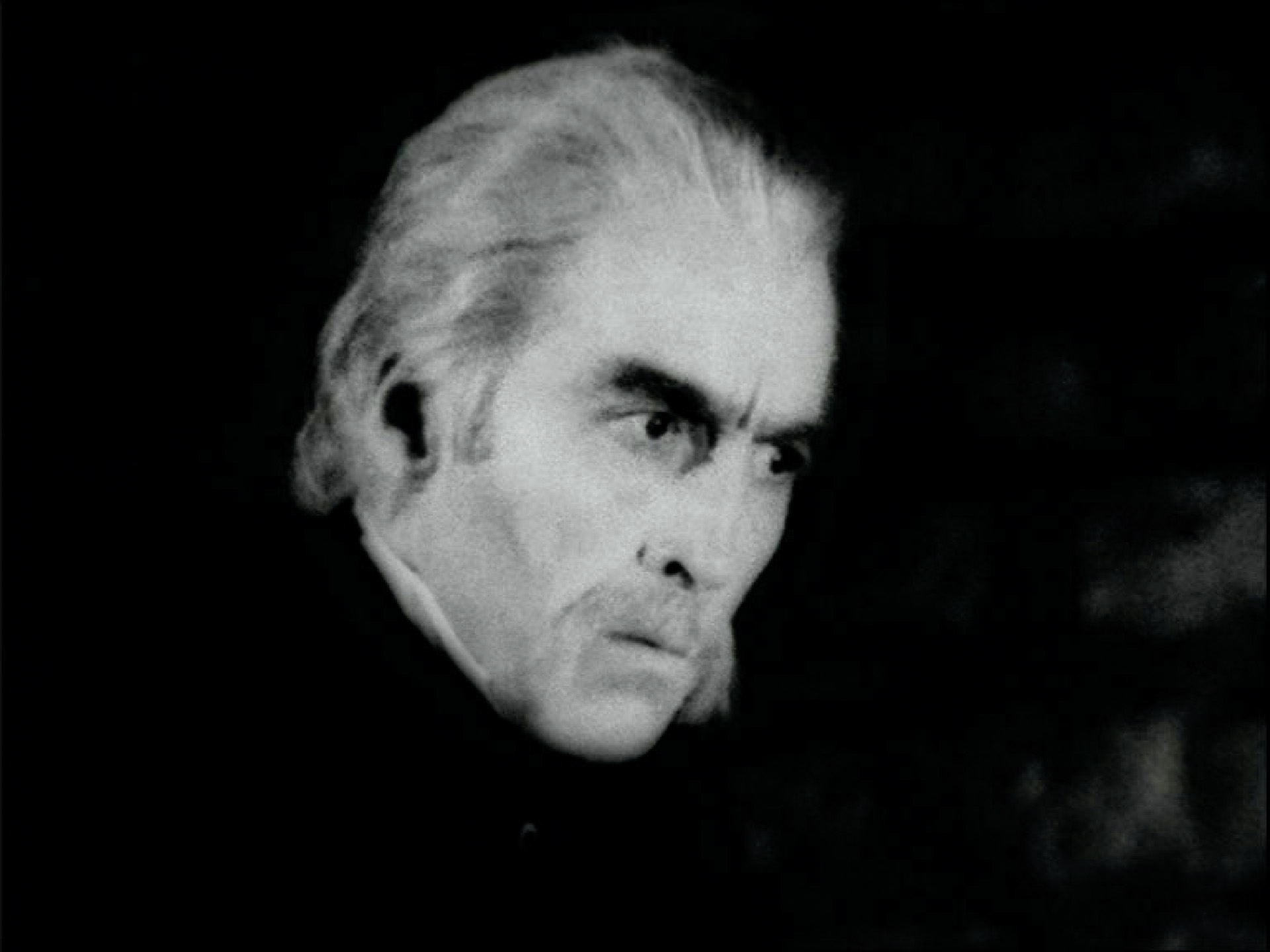
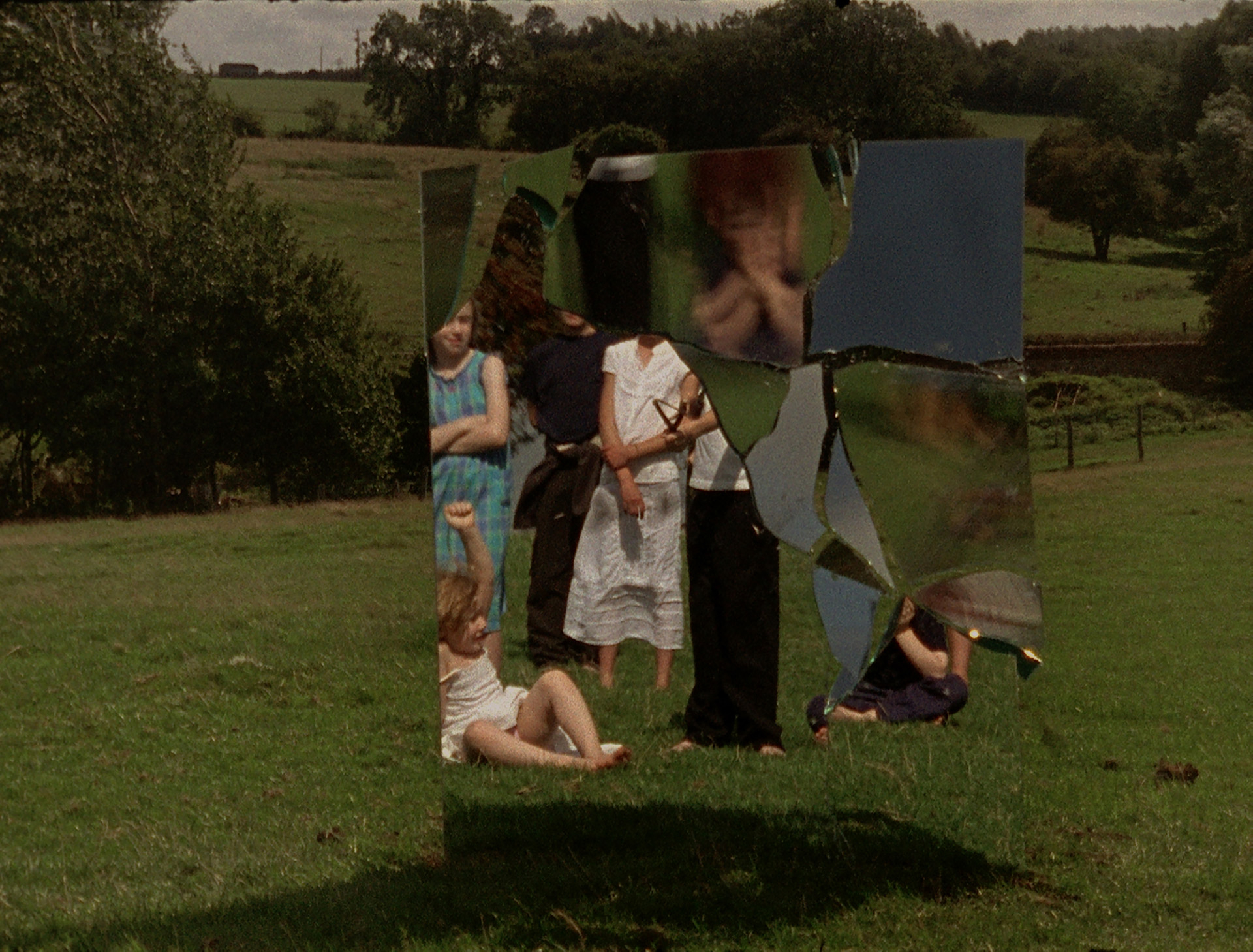
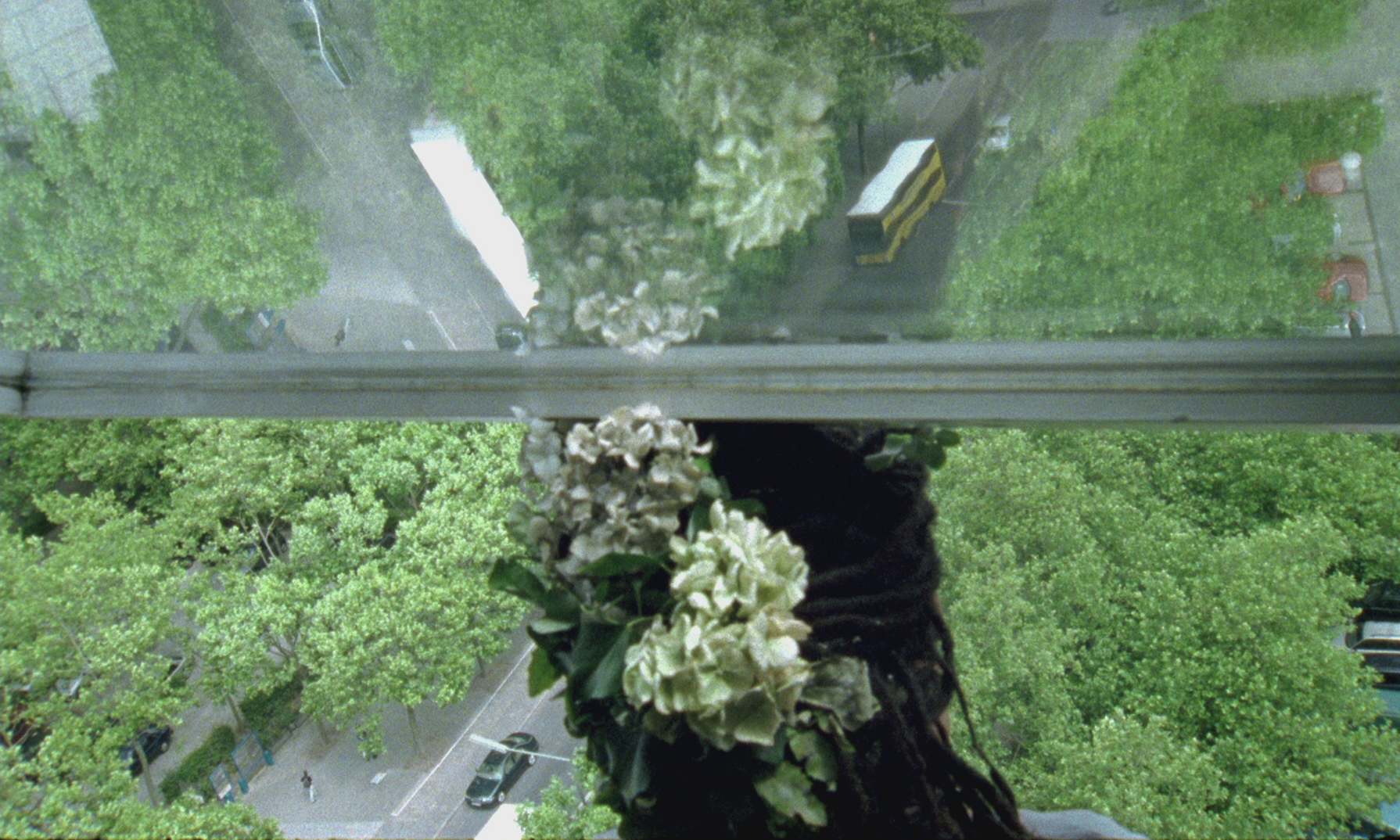
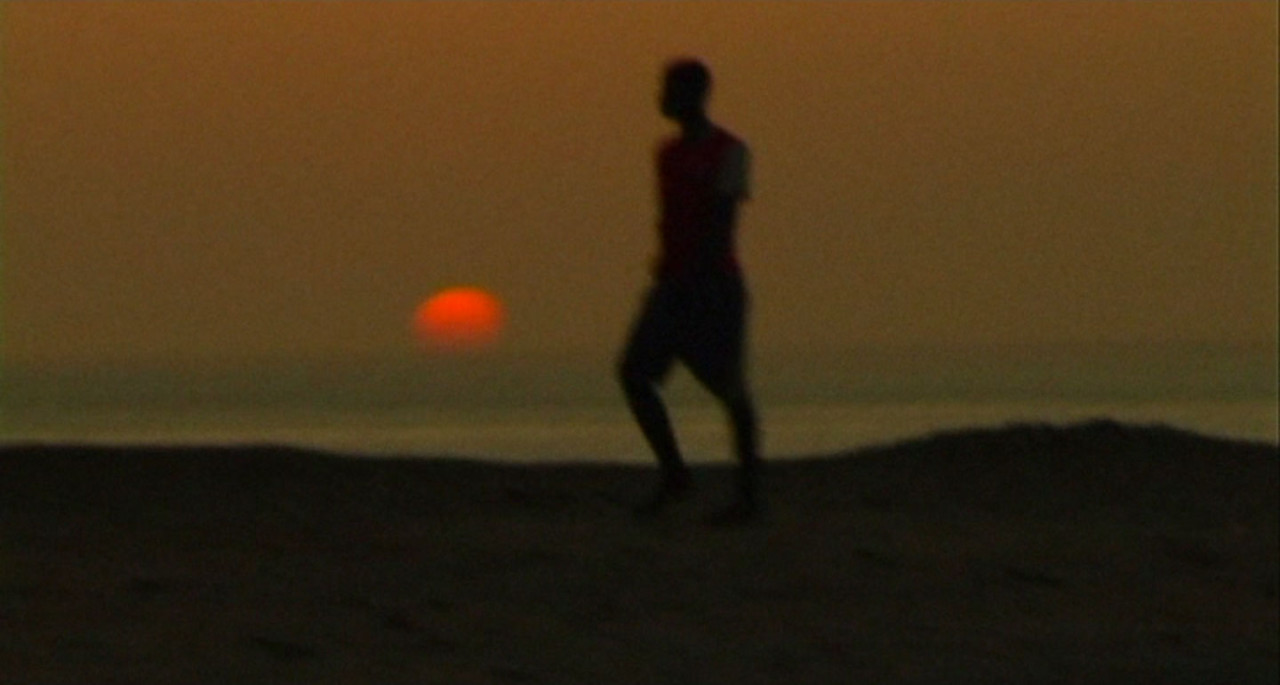
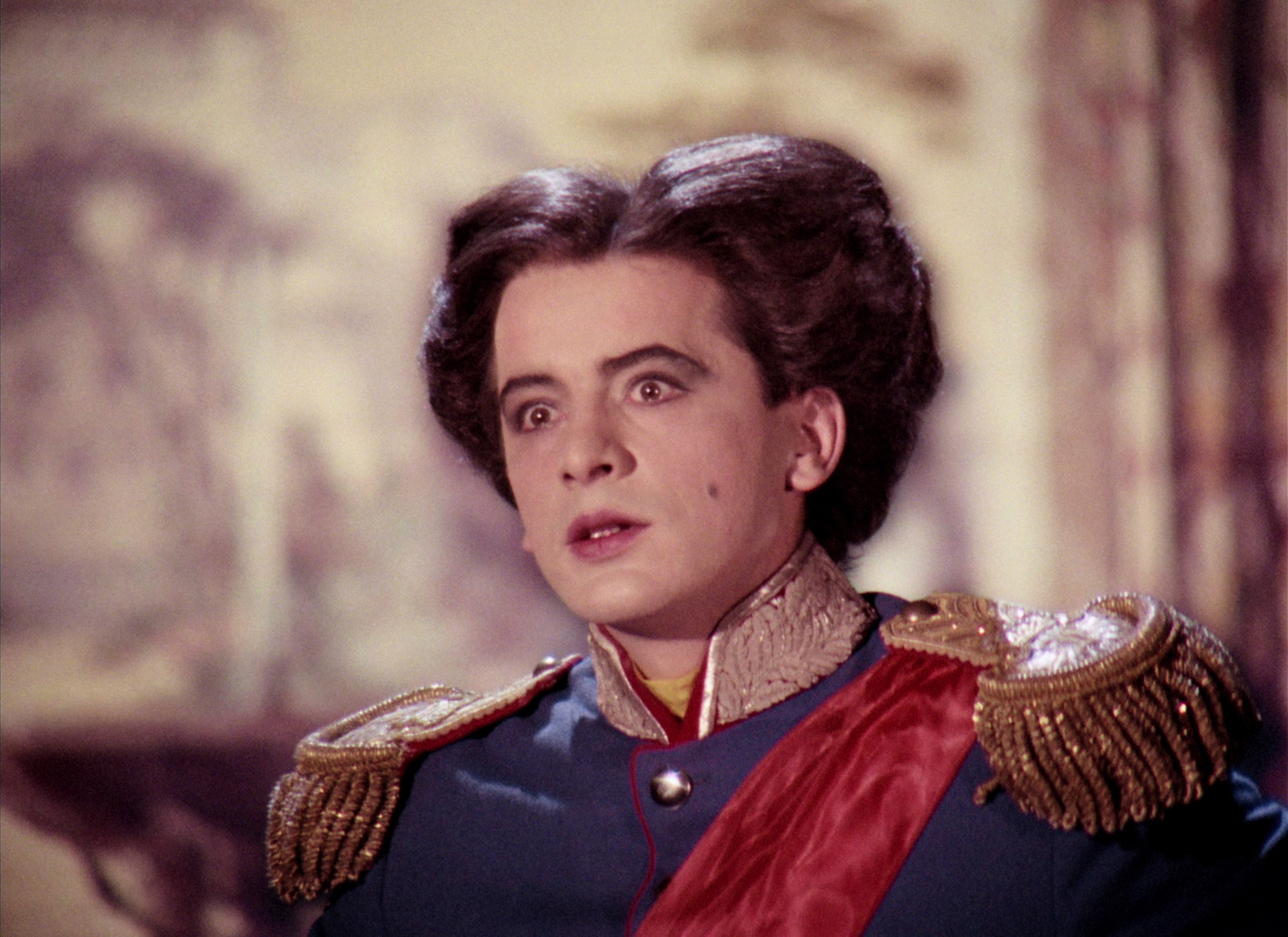
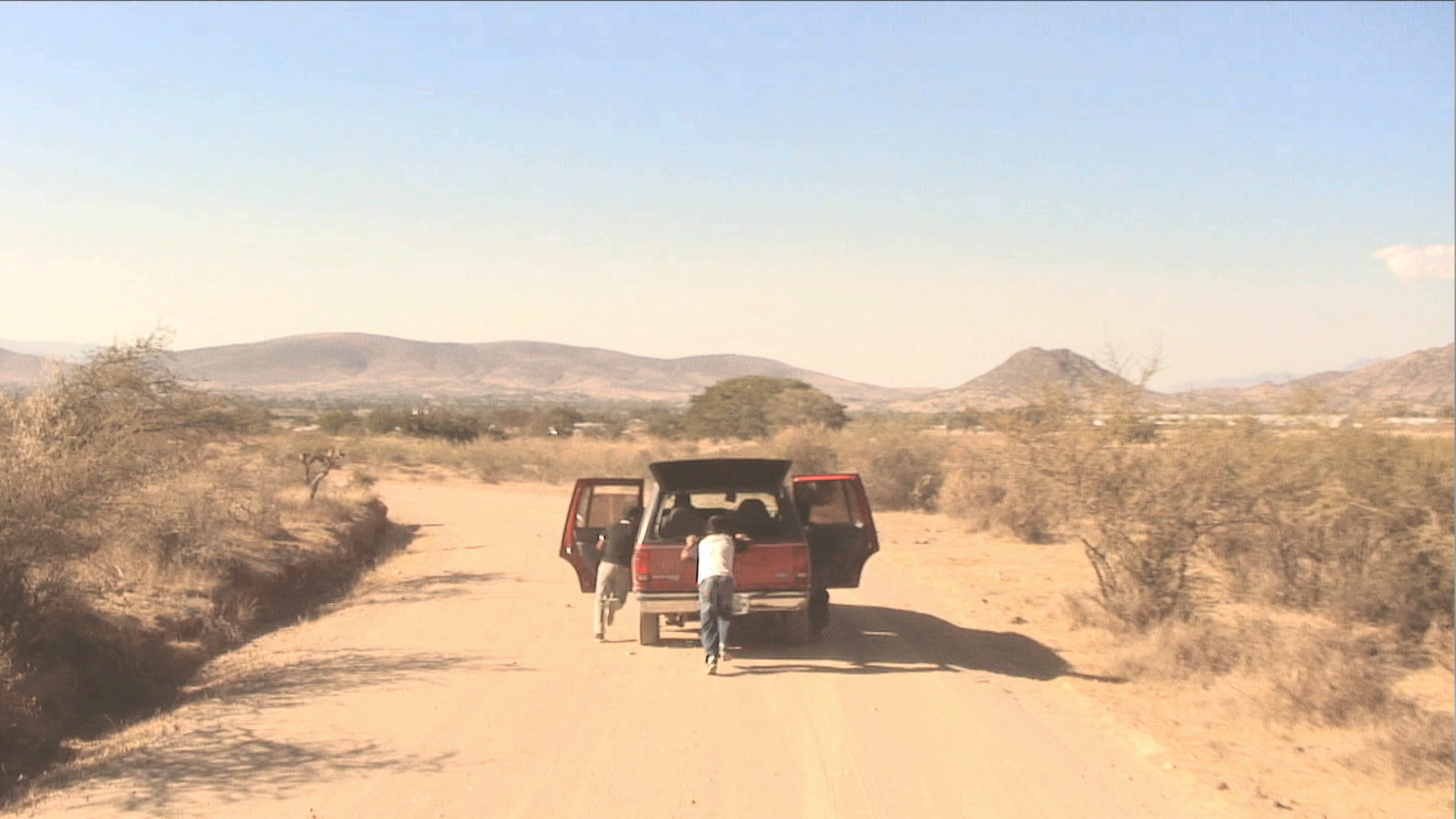
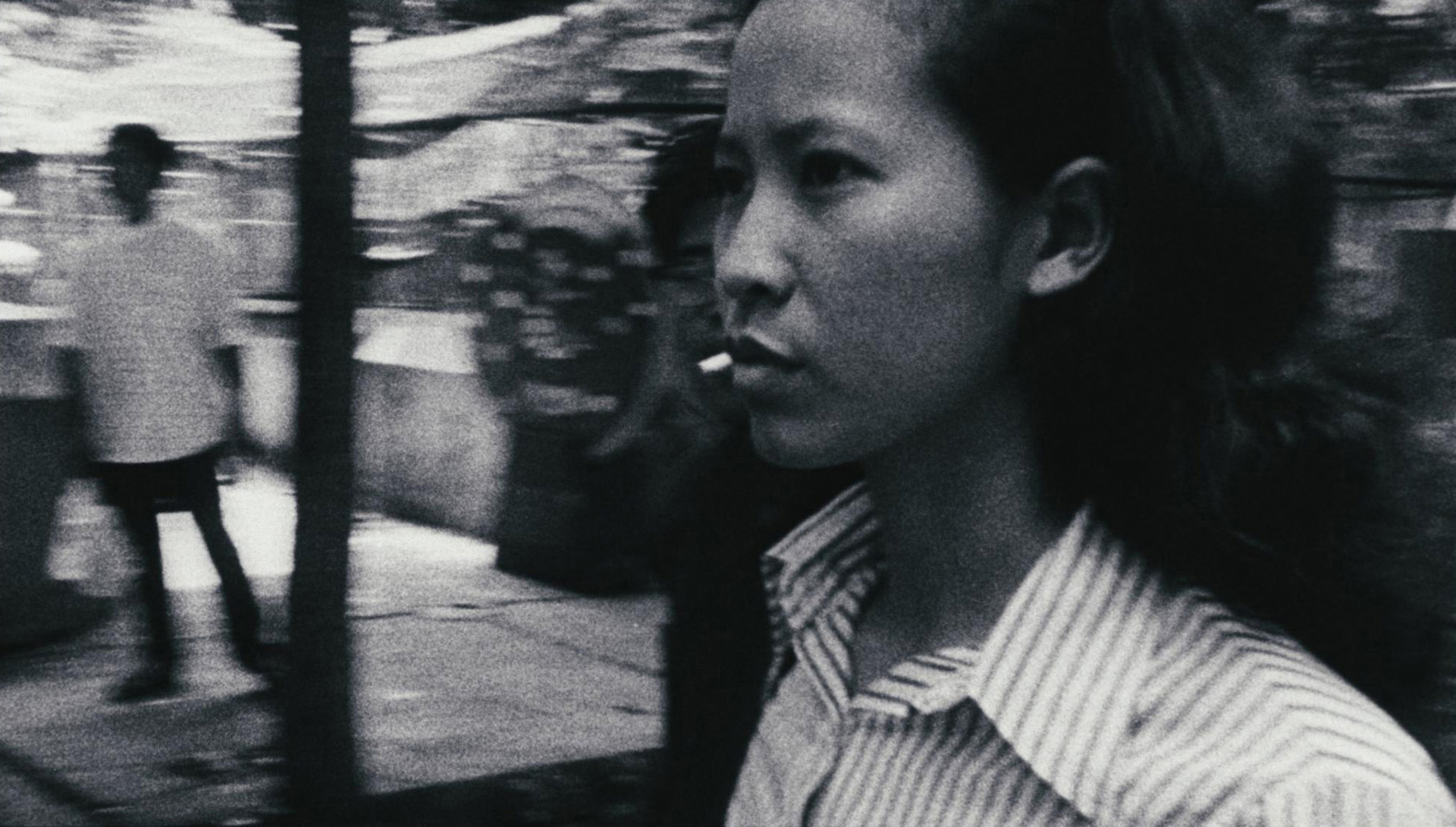
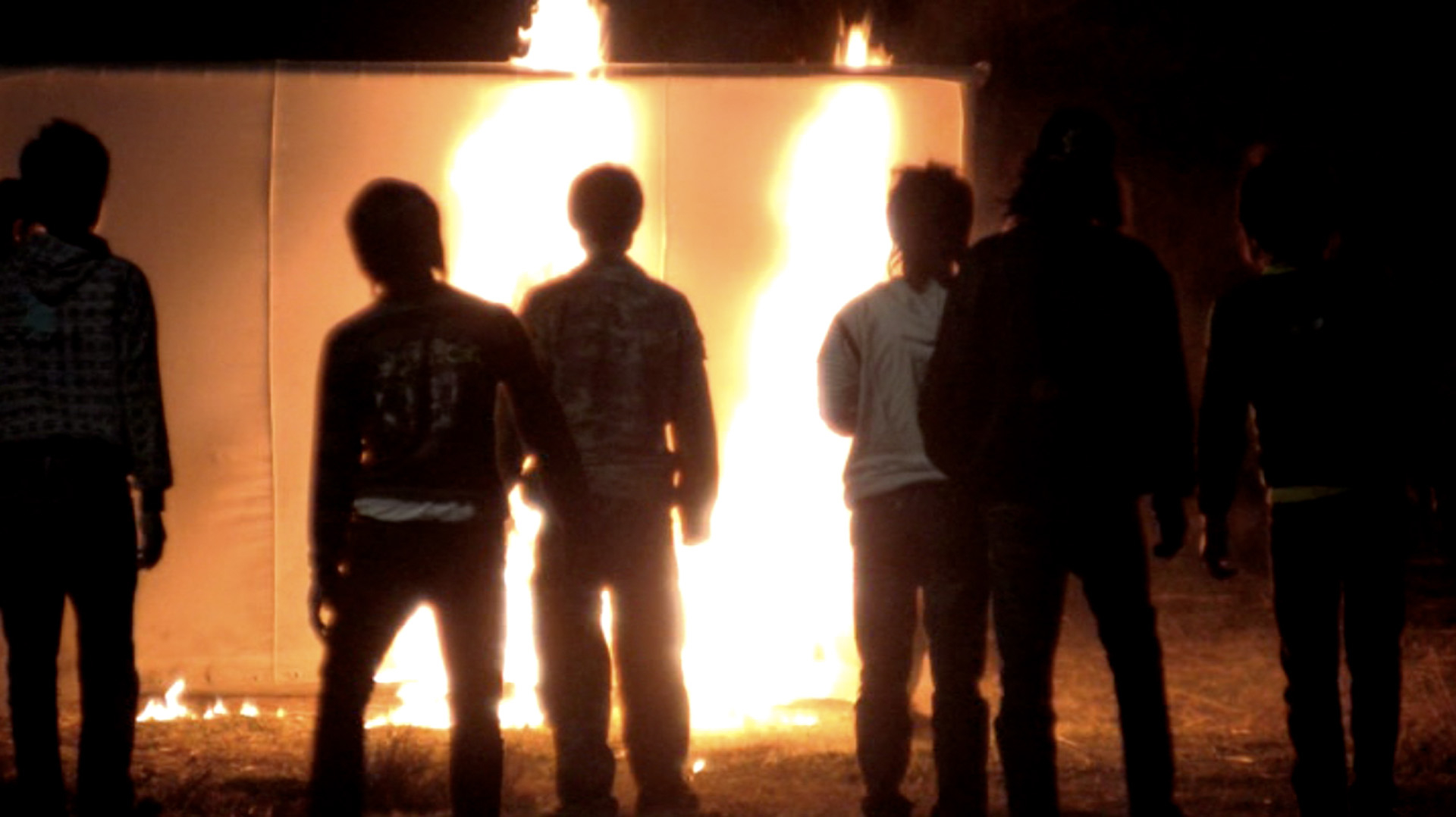
Meditating on it and moving forward title after title, the ensemble was the subject of a considerable bend in its orientation. Another measure was adopted. Not that of a confident heroism, but rather a melancholy regarding the work as it goes back and forth between the past, the present and the dreamed future. Or to be more precise—and that was something that with hindsight revealed itself clearly—it was about realising that both at the start and at the end of the throwing there was only childhood. There’s no backward inclination to return to childhood, or to repent a lost childhood: childhood itself as a throwing. Several childhoods, to be sure, from the one, imagined, of humanity to the unique expression of sovereignty, including their games, their emotions, their wounds and their murders. And while the mise en abîme seems to be such a recurring method in these films, it is never to sound the horns of self-celebration, to brandish mirrors of a puerile narcissism, but rather to paradoxically and conversely, as Per Speculum, Phantoms of Nabua and Mon cas show, highlight the intimate, inner rupture that is an integral part of cinema’s project.
(Being forced by History, our history, that of today, of these days, to think of the currently destroyed childhood will no doubt have influenced such orientation.)
Jean-Pierre Rehm