Retrospective Back to the Future

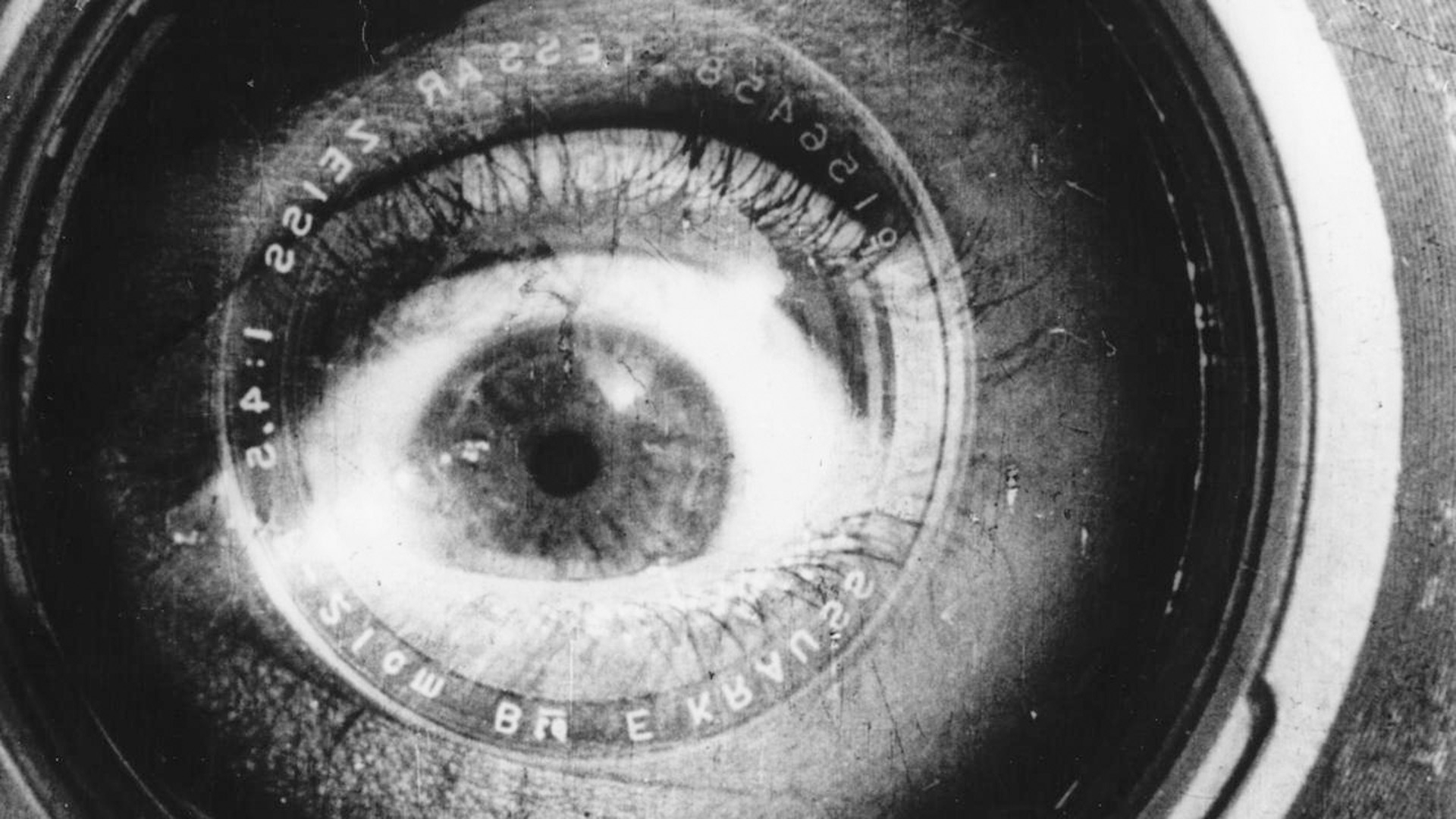
The original ambition behind this title, which is a nod to film history, was to cover the bond that links modernism, that is to say the utopia of the 20th century, and cinema with a few films. One knows that the assumptions of universality, the trust in geometry, the desire to accomplish art in life nourish the modernist project. But its essence ultimately reveals itself animated by the projection movement in every sense: prospection, and a malleable and predictable timetable of happiness—in short, a consistent movement from back to front. That’s why cinema is not just one of the many artistic vectors of this adventure, but the role model, the herald. And definitely the hero. Let us recall Malraux’s remark: cinema is the projection, the experience of a light coming from behind our heads to present itself in front of our eyes. It is somehow the experience of throwing: a crossing of time and space that is above all sweeping and bewildering. For that reason, the cornerstone of this programme could only be Chelovek s kino-apparatom [Man with a Movie Camera]. We won’t repeat the wonders and awe of a film that simultaneously attaches itself to that which it admires and is a virtuous exercise of mise en abîme. One knows the way in which the film establishes a truly unprecedented contract between a city, its inhabitants, its several activities, the time elapsed over a day, and a cameraman and the camera—or to be more precise its lens—the only truly protagonist. A contract between fixity and velocities; a contract between unicity and multiplicities. Lastly but not least, a contract between the plans themselves, also liberating in an unprecedented and literally revolutionary way the recorded elements, as if obviously this shooting and editing prowess anticipated the ‘emancipation’ of society as a whole.

Meditating on it and moving forward title after title, the ensemble was the subject of a considerable bend in its orientation. Another measure was adopted. Not that of a confident heroism, but rather a melancholy regarding the work as it goes back and forth between the past, the present and the dreamed future. Or to be more precise—and that was something that with hindsight revealed itself clearly—it was about realising that both at the start and at the end of the throwing there was only childhood. There’s no backward inclination to return to childhood, or to repent a lost childhood: childhood itself as a throwing. Several childhoods, to be sure, from the one, imagined, of humanity to the unique expression of sovereignty, including their games, their emotions, their wounds and their murders. And while the mise en abîme seems to be such a recurring method in these films, it is never to sound the horns of self-celebration, to brandish mirrors of a puerile narcissism, but rather to paradoxically and conversely, as Per Speculum, Phantoms of Nabua and Mon cas show, highlight the intimate, inner rupture that is an integral part of cinema’s project.

(Being forced by History, our history, that of today, of these days, to think of the currently destroyed childhood will no doubt have influenced such orientation.)

Jean-Pierre Rehm

One Screening Only
18 Oct / 21:30 / 82’
Culturgest - Auditório Emílio Rui Vilar

Restored by

The Negative Hands

Les Mains négatives
Marguerite Duras

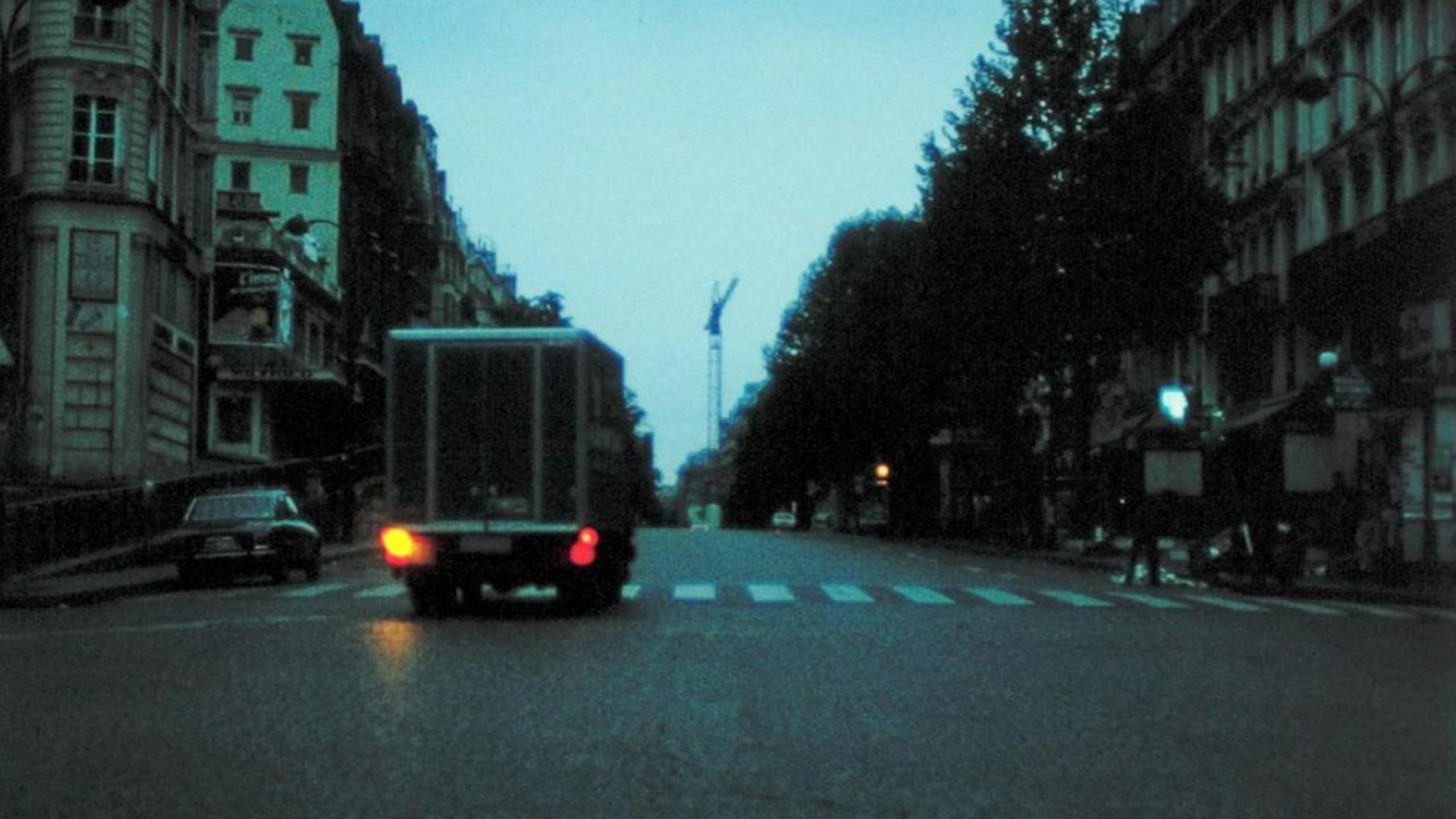
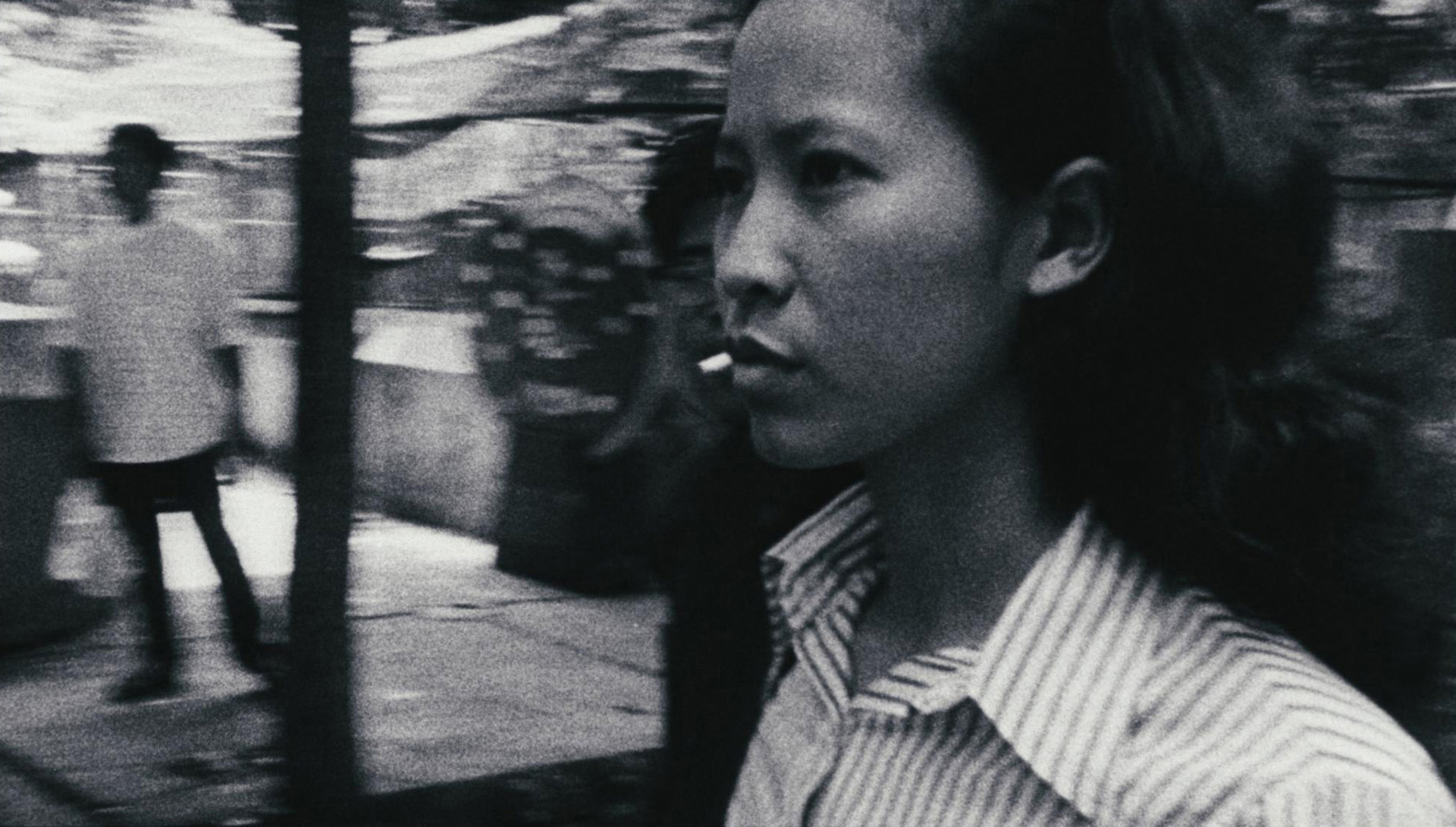
The image presents a travelling made from a car. Still night, but at daybreak, we go from the Bastille Square (where the French Revolution was…

Man with a Movie Camera

Chelovek s kino-apparatom
Dziga Vertov

Odessa awakens, and until it lies down its inhabitants, with their jobs, their trips, their customs, their games and their performances, are the heroes of…

19 Oct / 19:00 / 120’
Cinemateca Portuguesa - Sala M. Félix Ribeiro
20 Oct / 10:30 / 120’
Culturgest - Pequeno Auditório

Venom and Eternity

Traité de bave et d'éternité
Isidore Isou

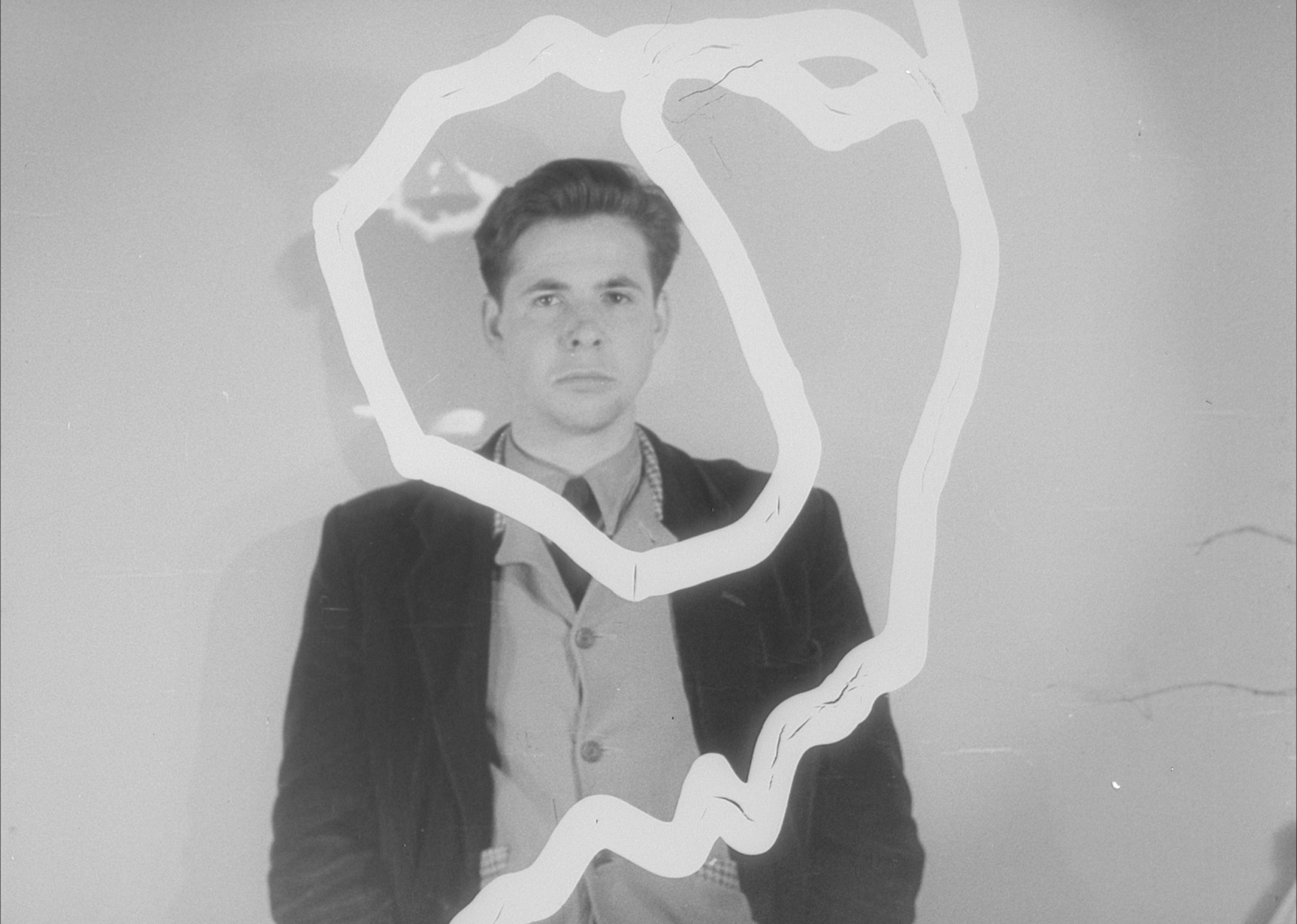
Endorsed by Cocteau to enable its screening at the Cannes Festival in 1951, rewarded with a custom-made prize, promptly admired by the young Debord, praised…

19 Oct / 21:45 / 86’
Culturgest - Pequeno Auditório
20 Oct / 22:00 / 86’
Cinema São Jorge - Sala 3

Mudanza

Pere Portabella

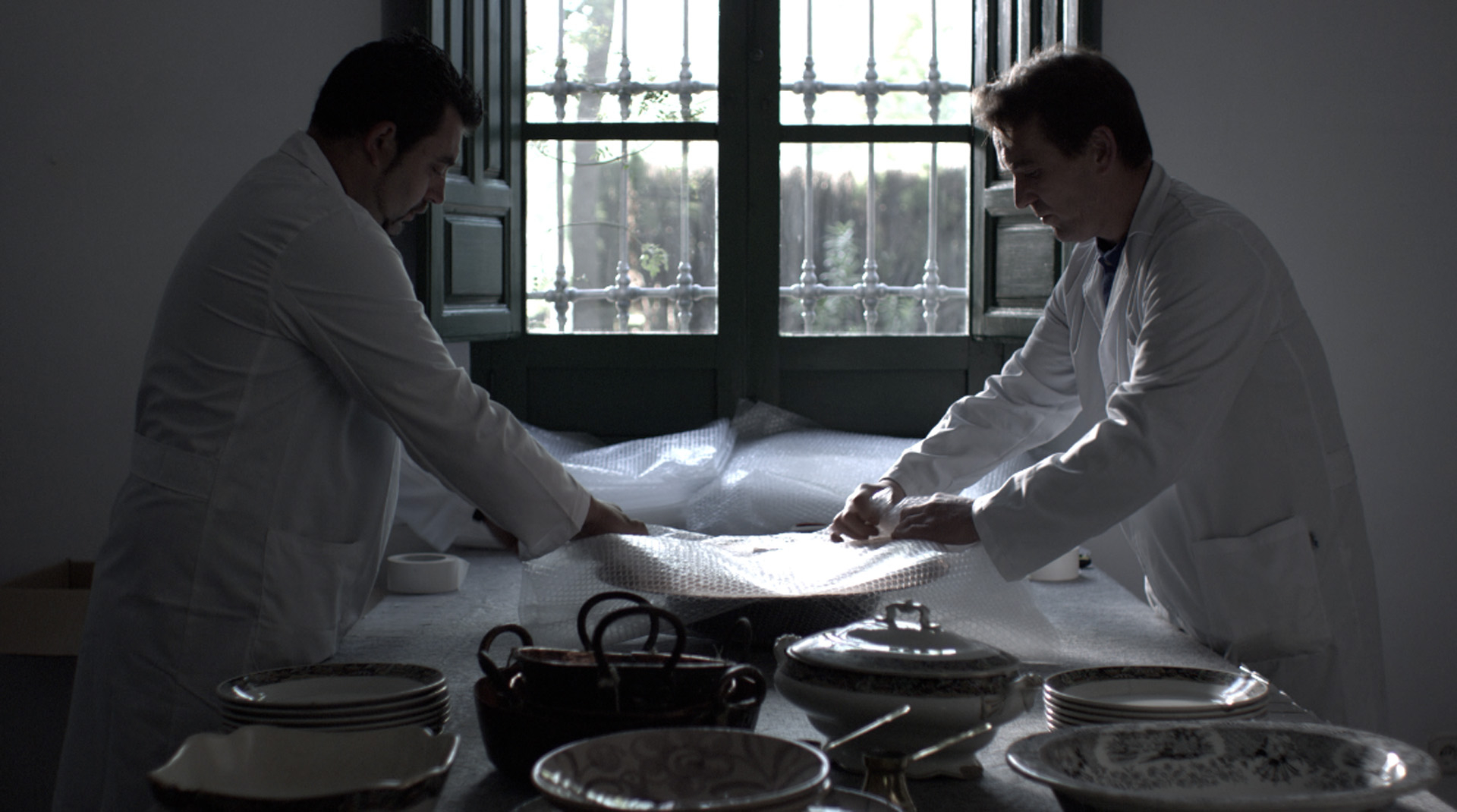
The project? Pay tribute to the Spanish poet Garcia Lorca, a friend of Dali and Buñuel’s, shot on August 19, 1936, in front of his…

Vampir-Cuadecuc

Cuadecuc, vampir
Pere Portabella

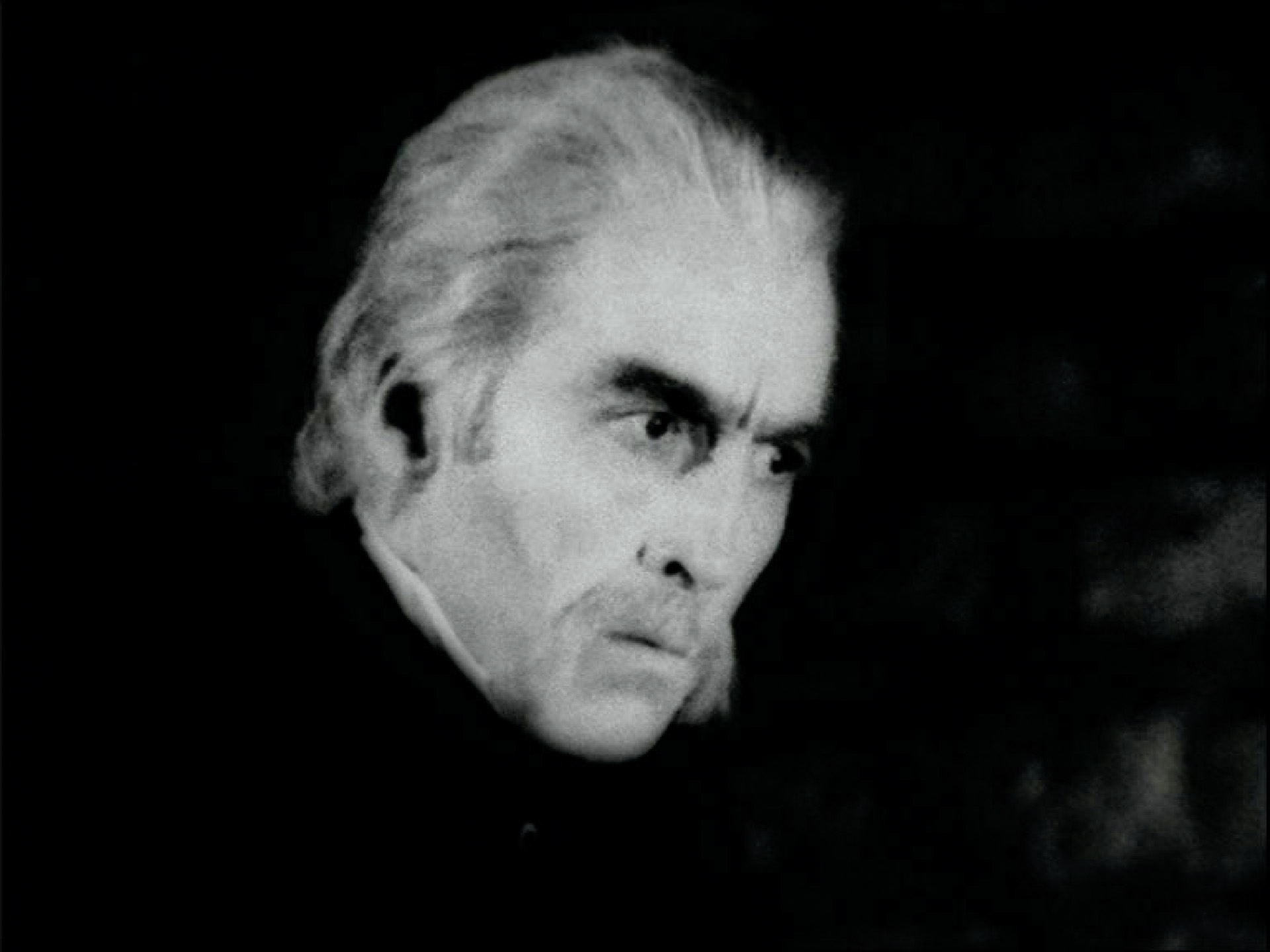
In 1970, Jesús Franco, former Spanish assistant to Welles, shoots Nachts, wenn Dracula erwacht in his country, in Technicolor, splendid, with Christopher Lee. Portabella, a…

20 Oct / 19:15 / 65’
Culturgest - Pequeno Auditório
21 Oct / 22:00 / 65’
Cinema São Jorge - Sala 3

Per Speculum

Adrian Paci

Making mention of the Epistles to the Corinthians, the title of this film refers to the mirror, which according to Saint Paul is the metaphor…

Long Sorrow

Anri Sala

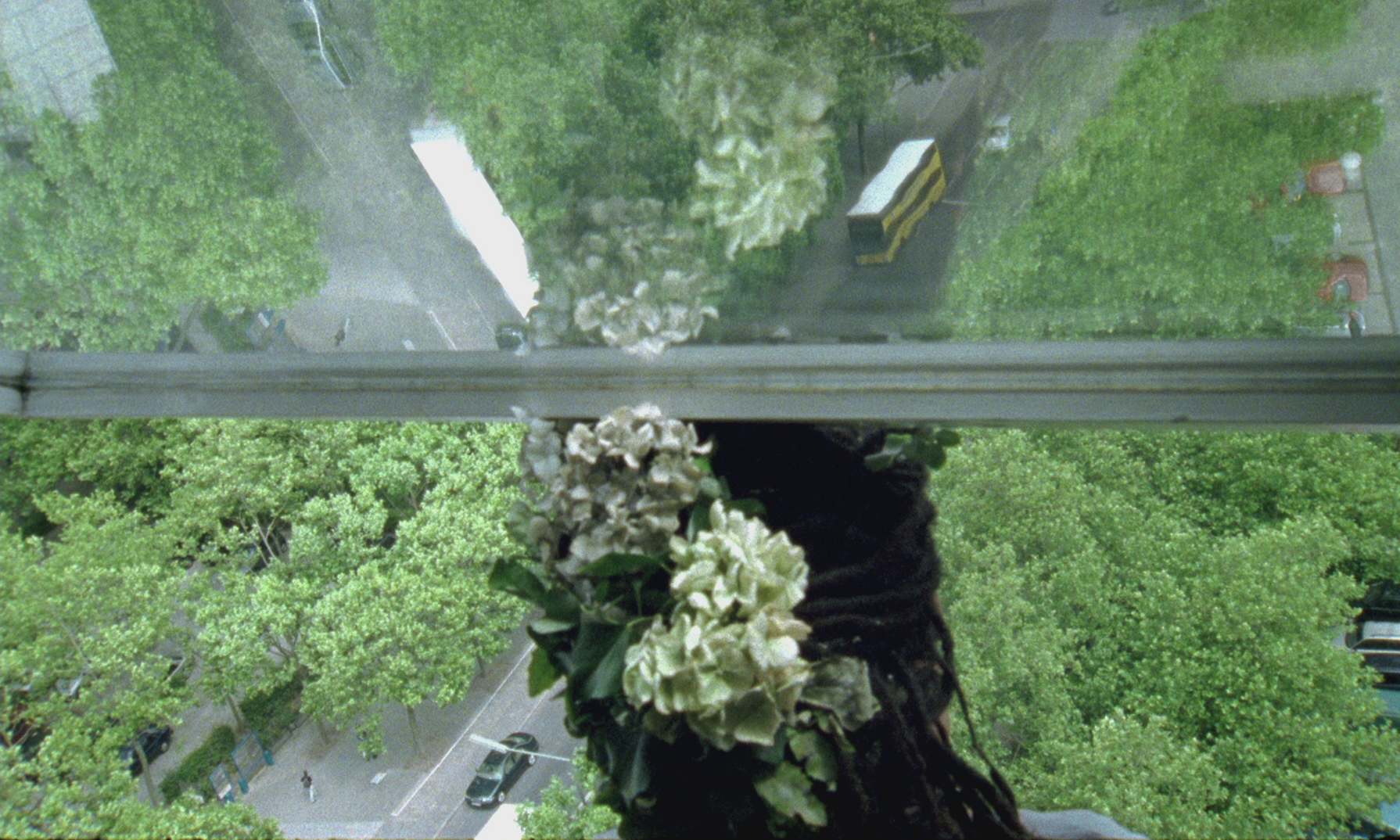
On the top floor of a high-rise building, dubbed The Long Sorrow (Die Lange Jammer) by the inhabitants of a modest district in the suburbs…

A Thousand Suns

Mille soleils
Mati Diop

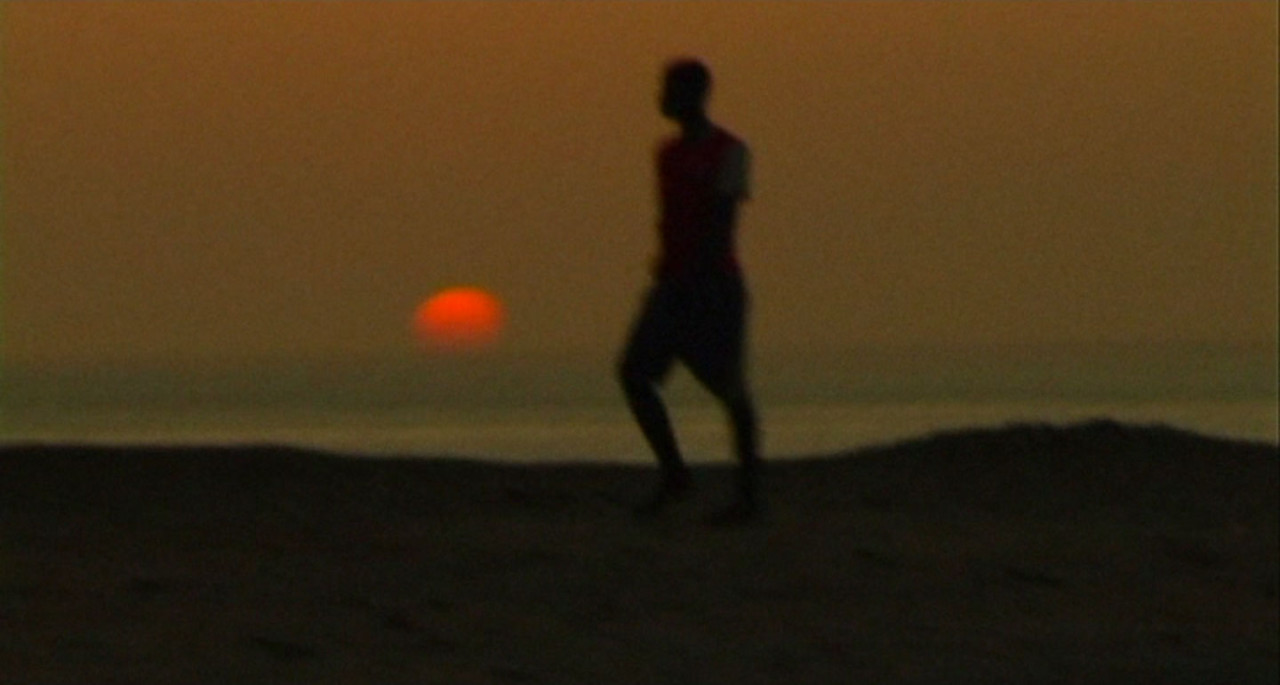
Mati Diop’s journey back in time takes him to a cult film, Touki bouki, made in Dakar in 1972 by his late uncle, Djibril Diop…

One Screening Only
21 Oct / 21:45 / 134’
Culturgest - Pequeno Auditório

Ludwig. Requiem for a Virgin King

Ludwig. Requiem für einen jungfräulichen König
Hans-Jürgen Syberberg

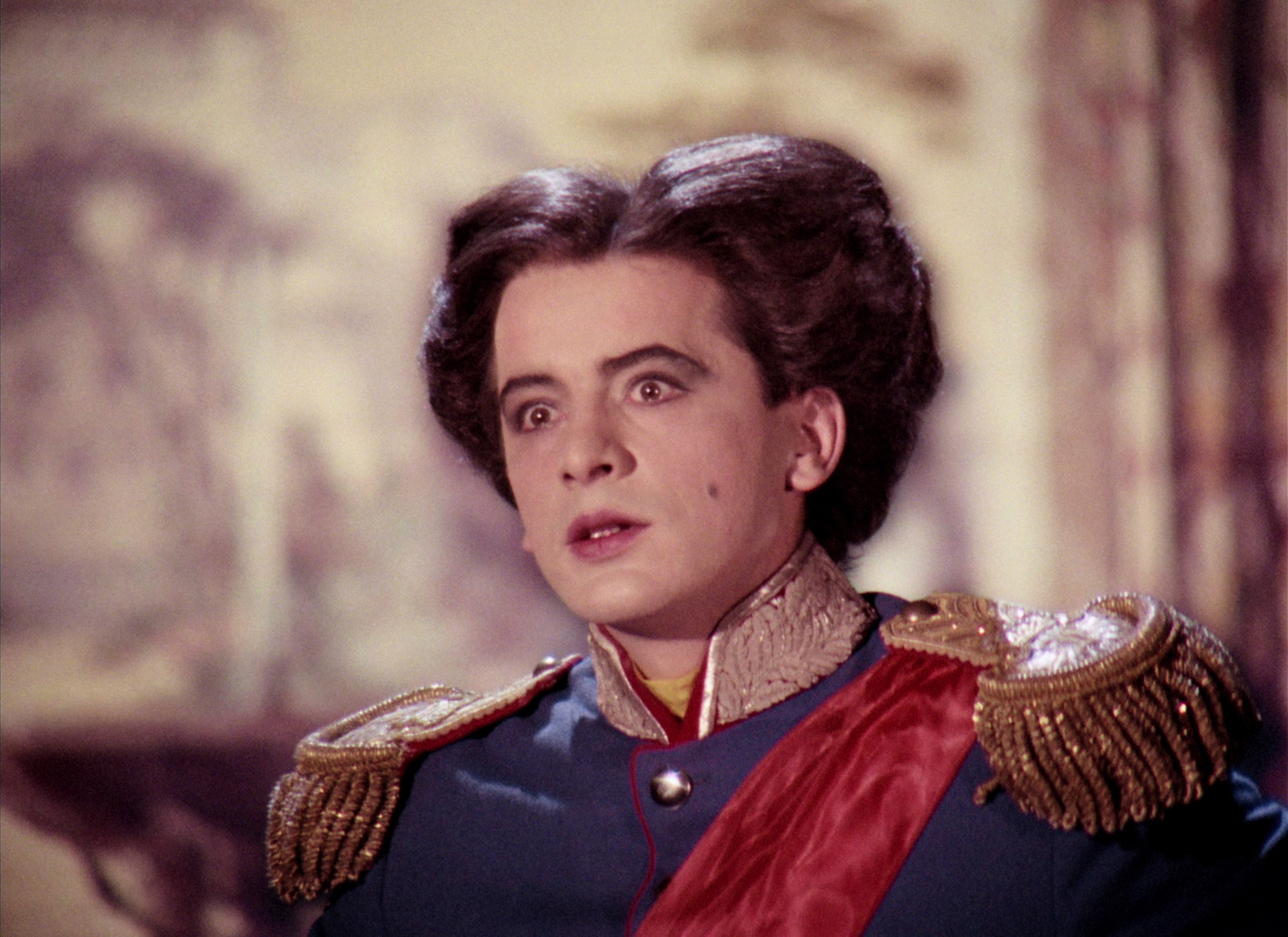
Part one of a ‘German trilogy’ continued by Karl May (1974) and Hitler, ein Film aus Deutschland (1977). “The ‘requiem’ refers to a closed aesthetic…

22 Oct / 19:00 / 112’
Culturgest - Pequeno Auditório
24 Oct / 19:00 / 112’
Cinemateca Portuguesa - Sala M. Félix Ribeiro

Family Effects

Efectos de Familia
Edgardo Aragón

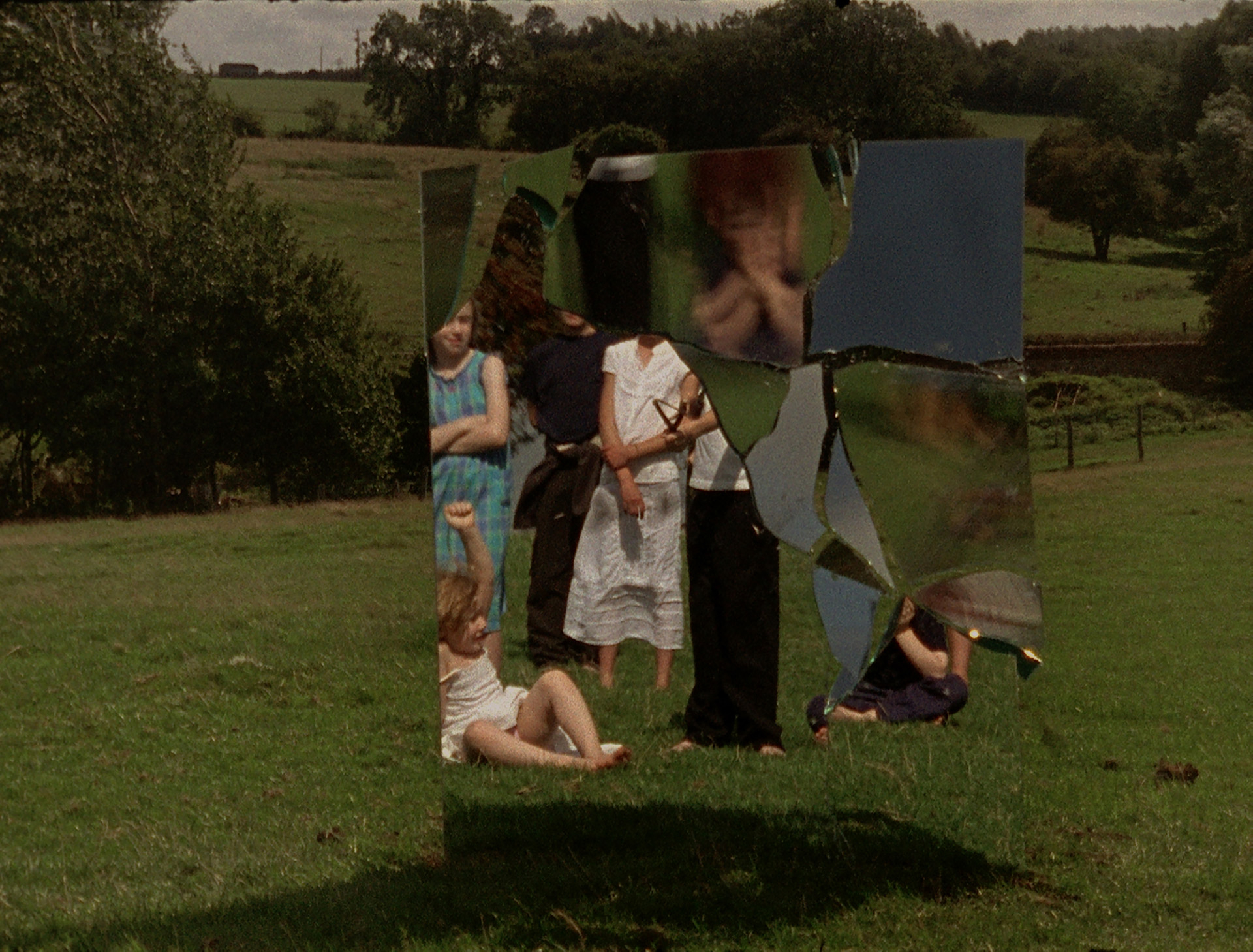
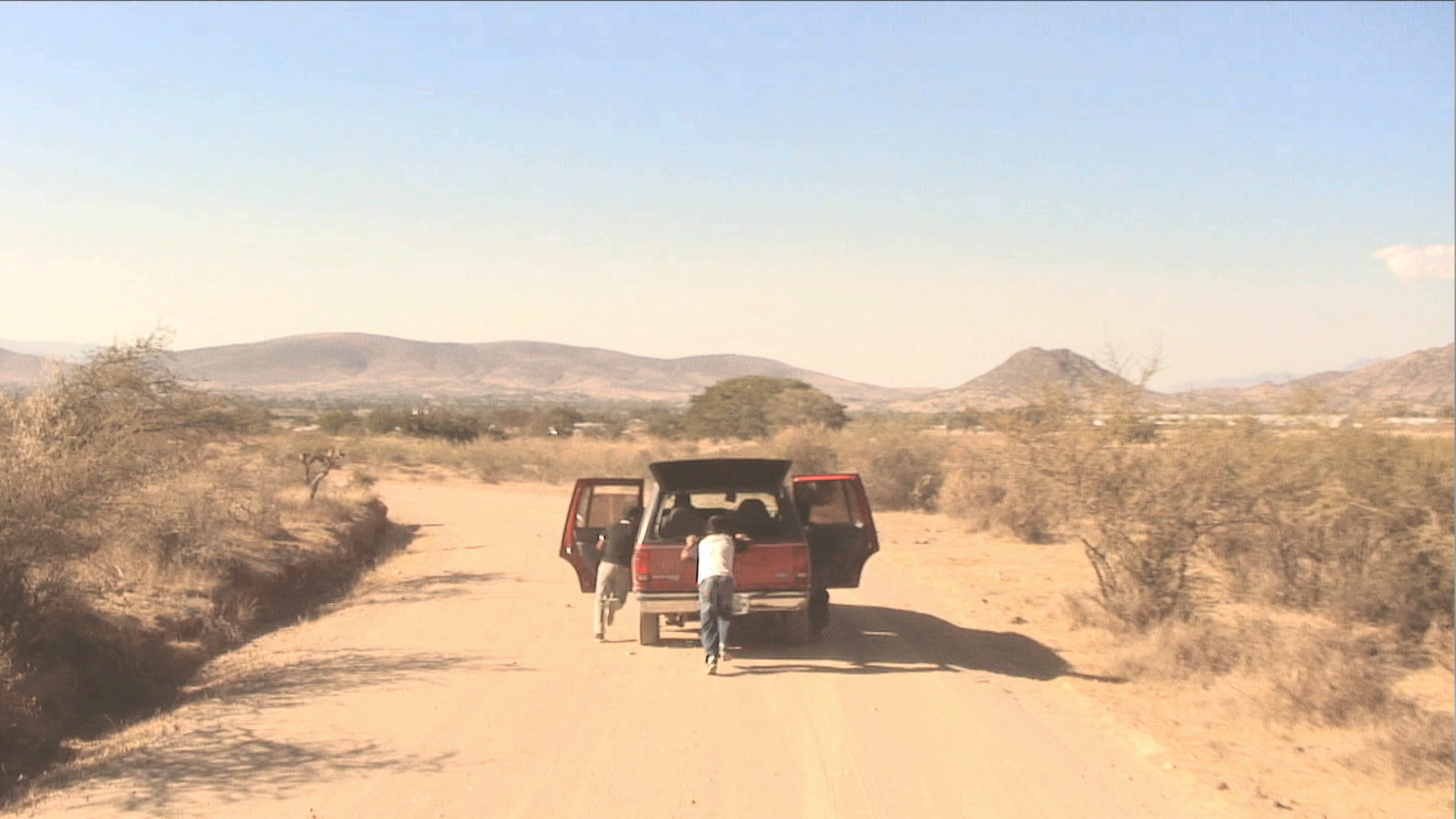
Here’s Aragón’s bold gamble: reproduce the deadly feats of smugglers in the paradisiacal Mexican landscapes without naturalism or pathos, but performed by children. 13 scenes…

Mysterious Object at Noon

Dokfa nai meuman
Apichatpong Weerasethakul

The original Thai title, Dofka in the Devil’s Hand, was replaced by a cadavre exquis, the surrealist technique that consists in several people producing a…

23 Oct / 14:00 / 82’
Culturgest - Pequeno Auditório
26 Oct / 19:45 / 82’
Cinema Ideal

Phantoms of Nabua

Apichatpong Weerasethakul

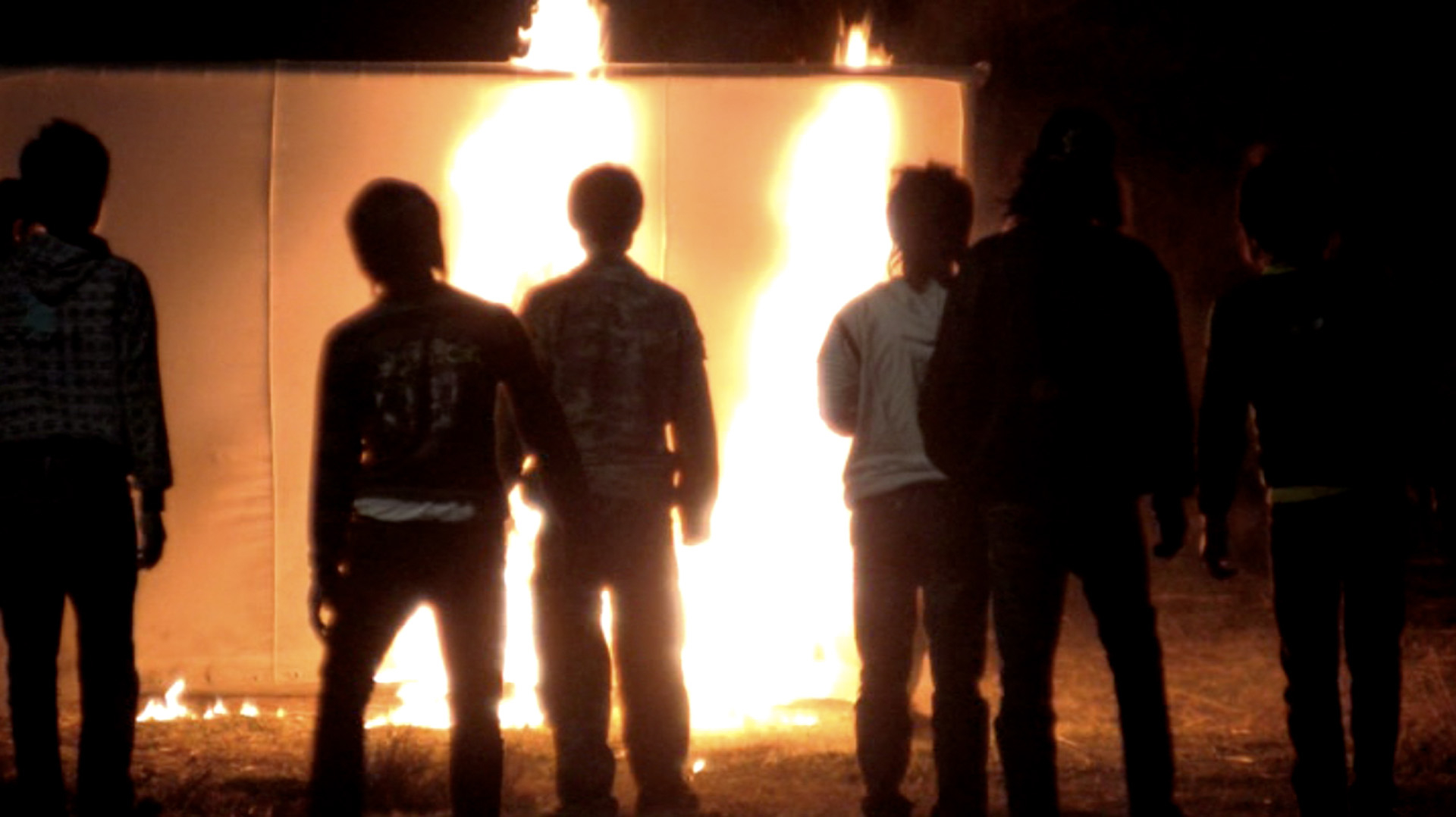
The Thai village of Nabua, like others during the Cold War, was accused of harbouring communists, and its inhabitants were subject to violent reprisals. The…

Night and Dreams

Nacht und Träume
Samuel Beckett

Written in English for television and directed by Beckett in 1982, the title of this piece is taken from a lied by Schubert, one of…

Cabaret Crusades: The Path to Cairo

Wael Shawky

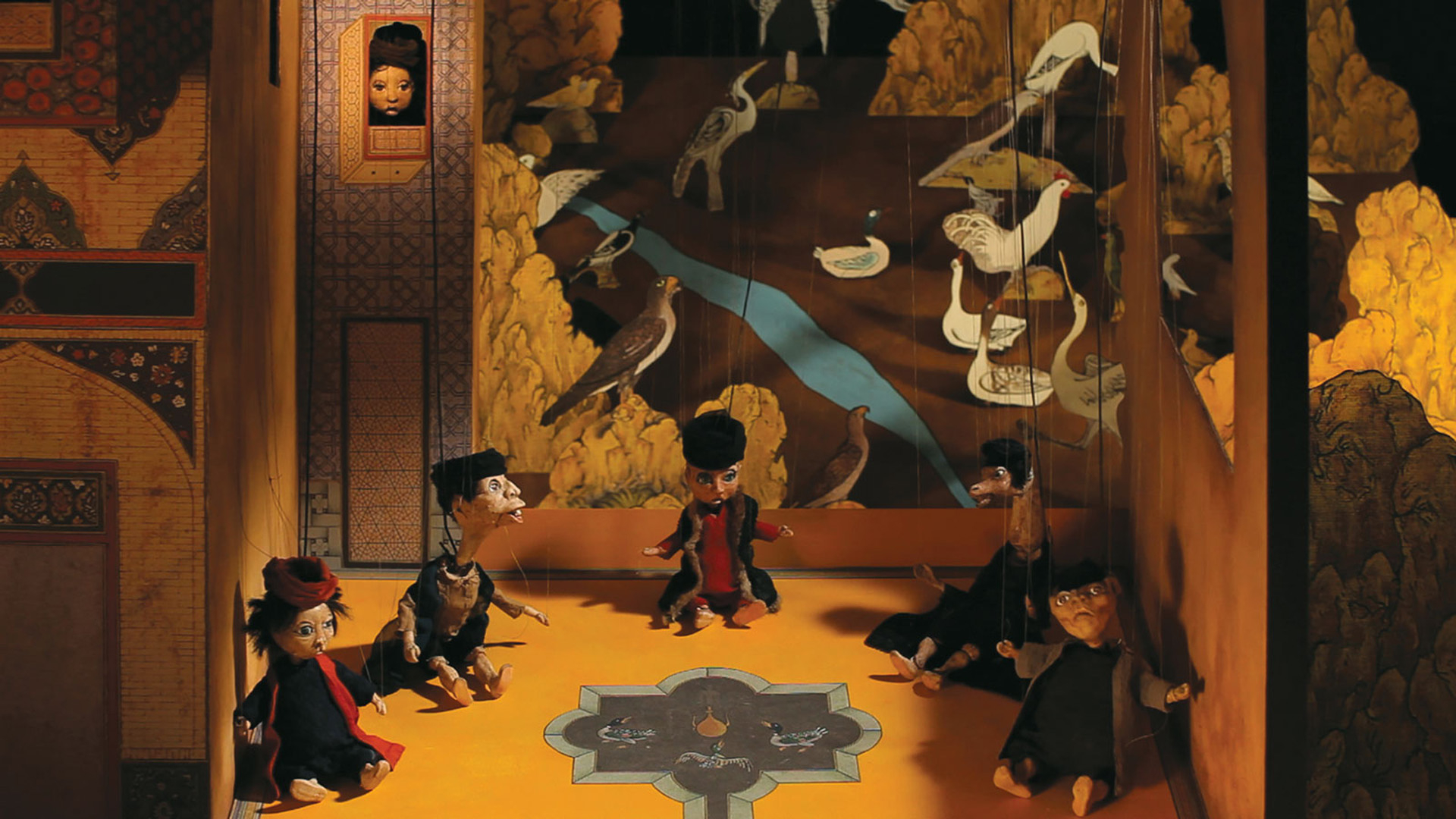
Part two of a trilogy dedicated to the Crusades from the eleventh to the thirteenth century, which were military expeditions meant to retake the ‘Holy…

One Screening Only
25 Oct / 19:00 / 100’
Cinemateca Portuguesa - Sala M. Félix Ribeiro

If and Only If

Anri Sala

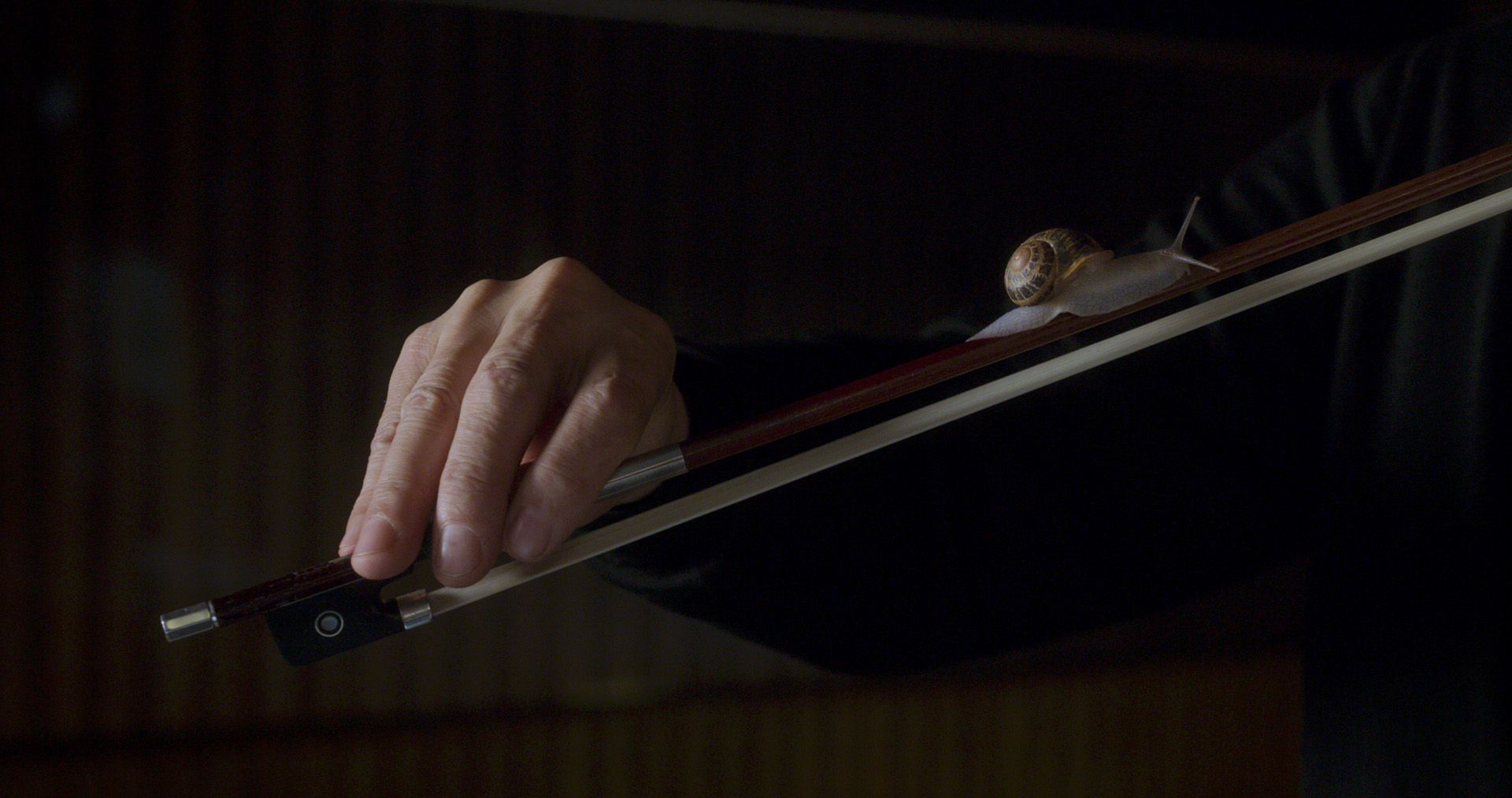
Igor Stravinsky composed Elegy for Viola in 1994 “so that Germain Prévost could play it in memory of Alphonse Onnou, founder of the Pro Arte…

My Case

Mon cas
Manoel de Oliveira

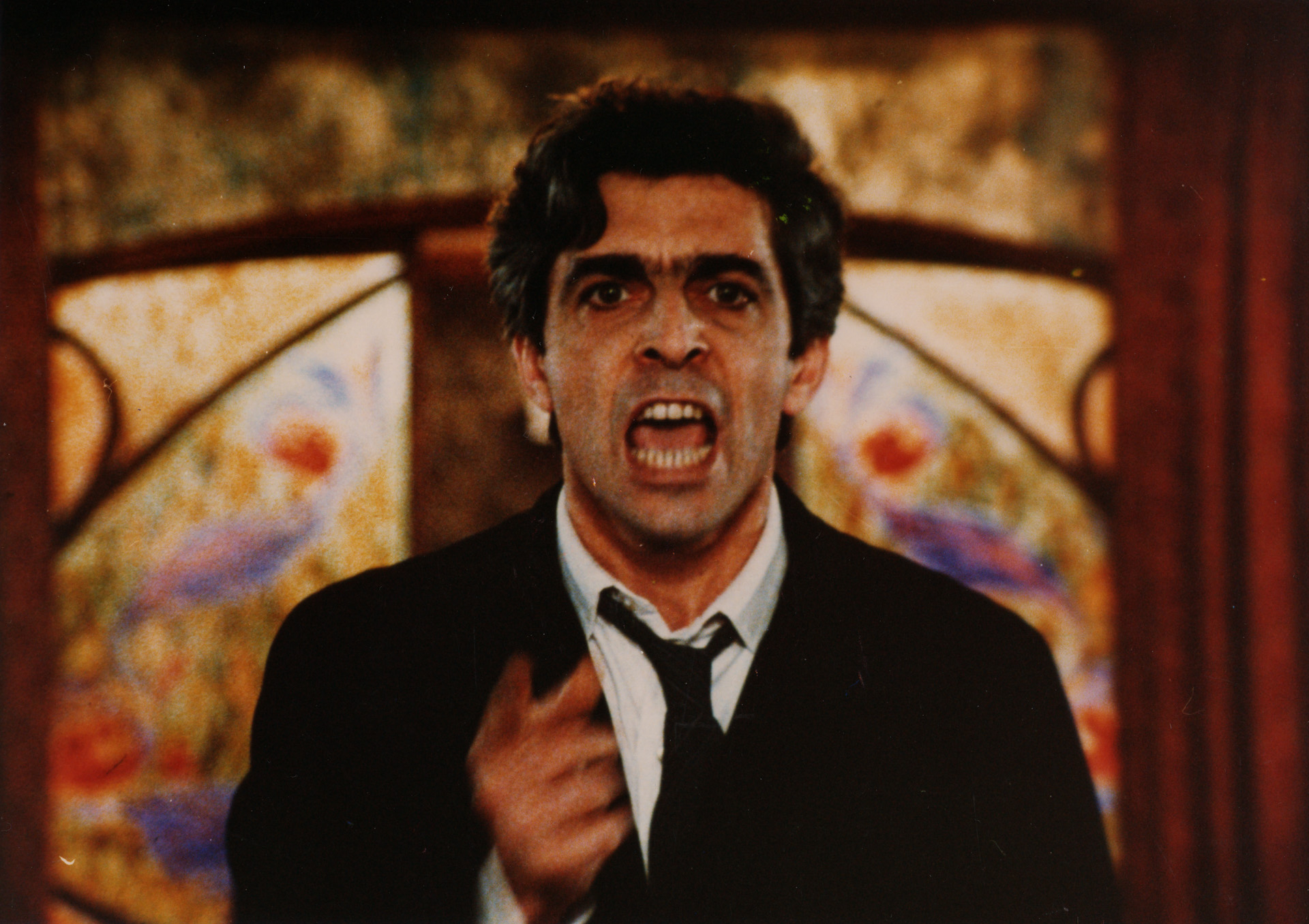
Few filmmakers are as free as Manoel de Oliveira. Few are equally crazy. Mon cas goes beyond reasonable. In full awareness. Resorting to José Régio’s…